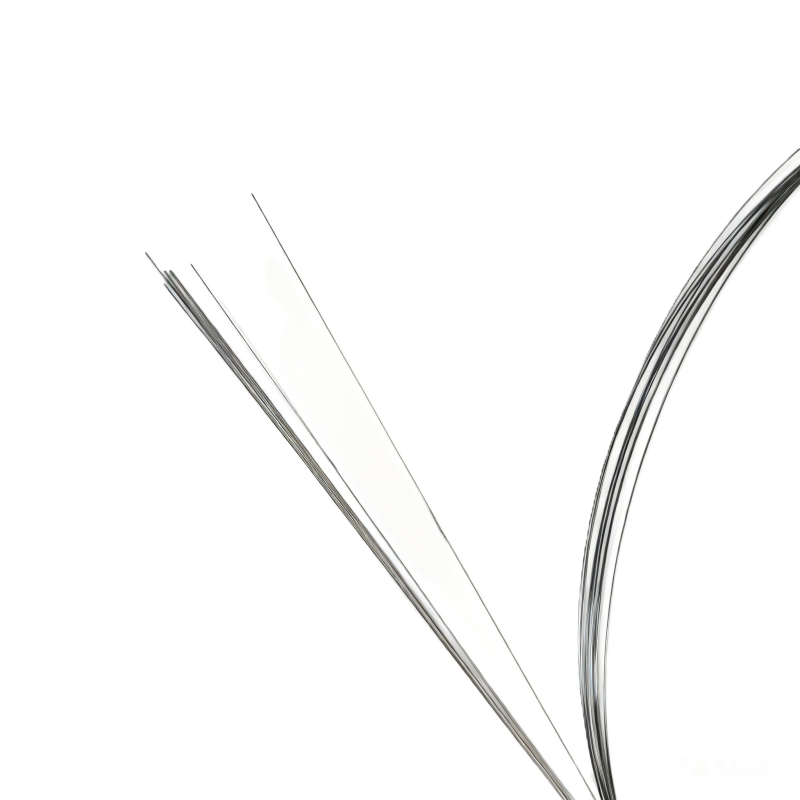
Hydrophilic Guidewire: Advanced Navigation, Precision Control, and Clinical Versatility

Get a Free Quote

Our representative will contact you soon.
Email
Name
Company Name
Message
0/1000

hydrophilic guidewire

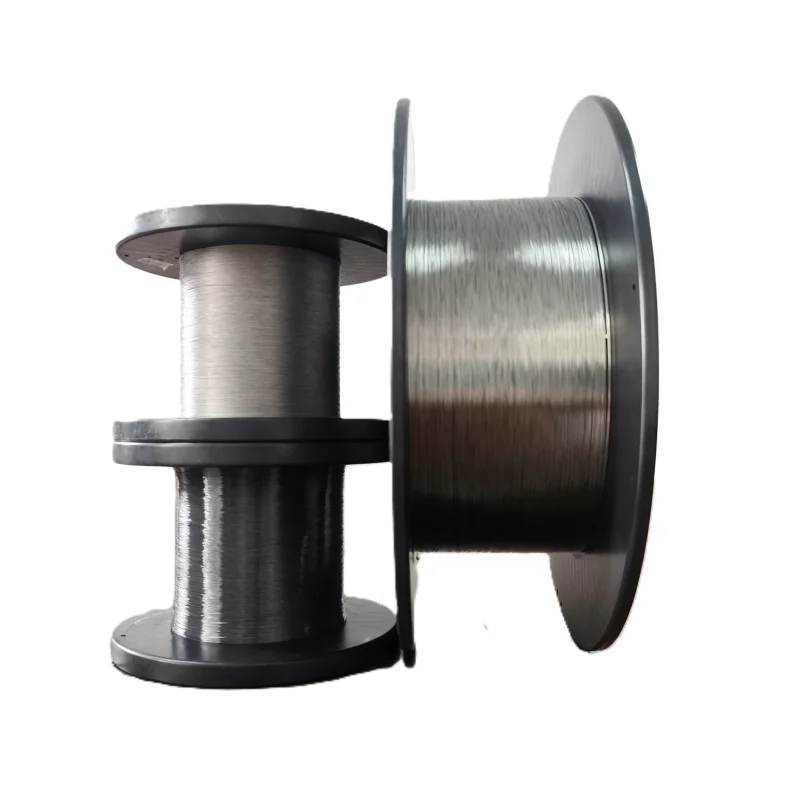
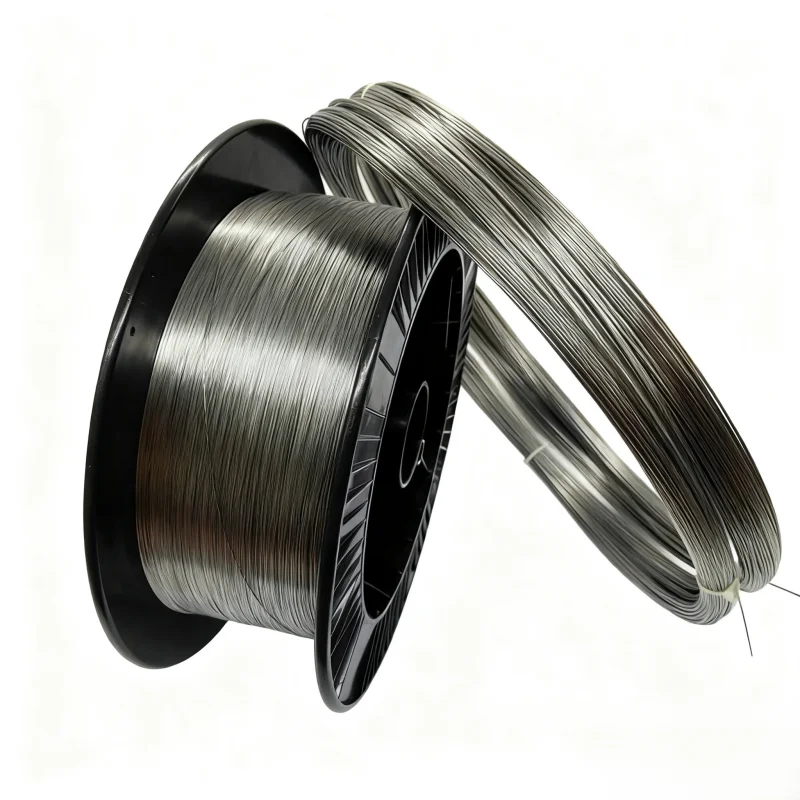
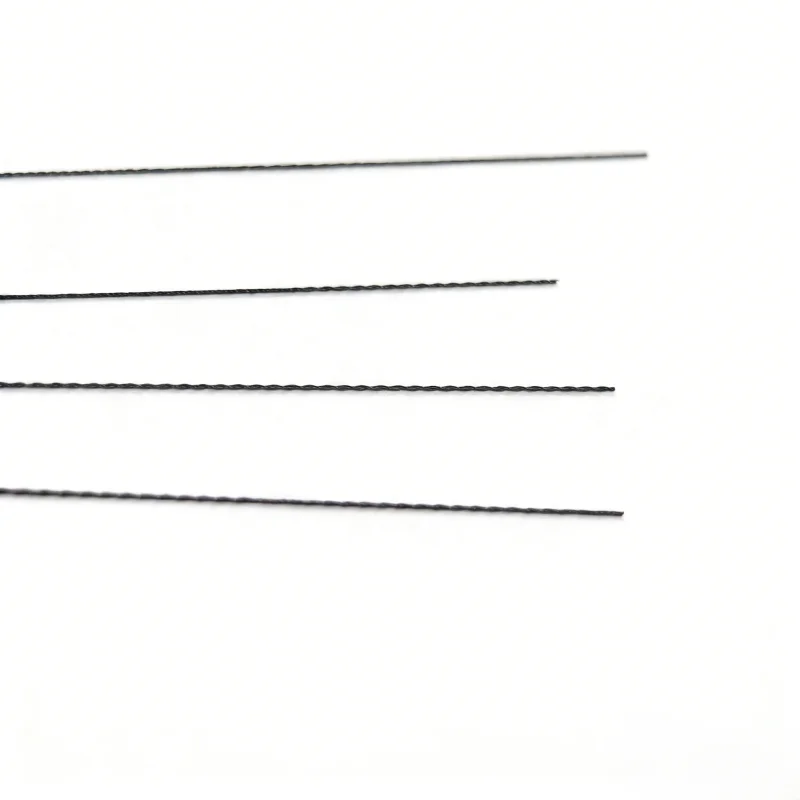
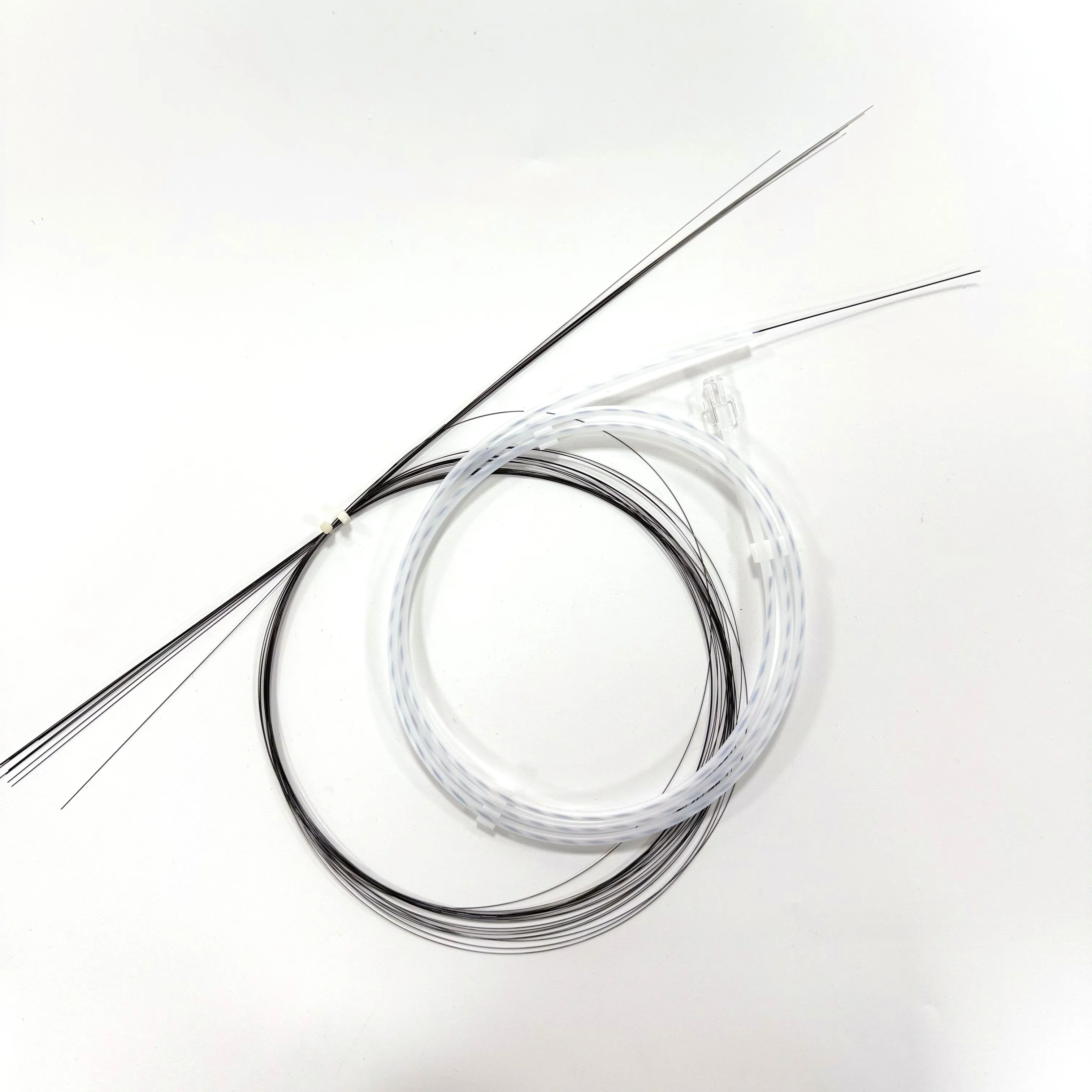
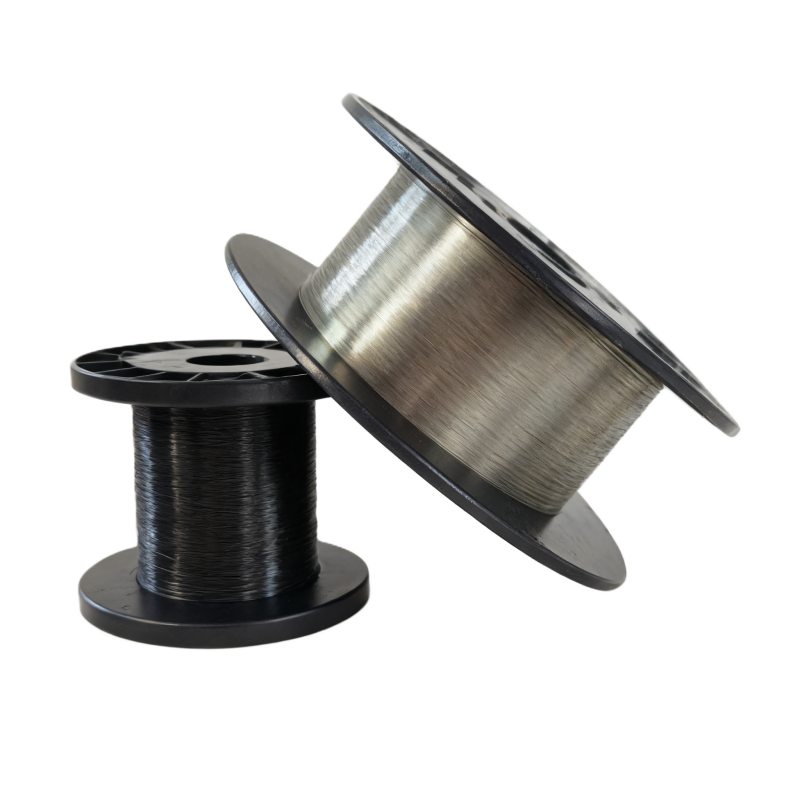
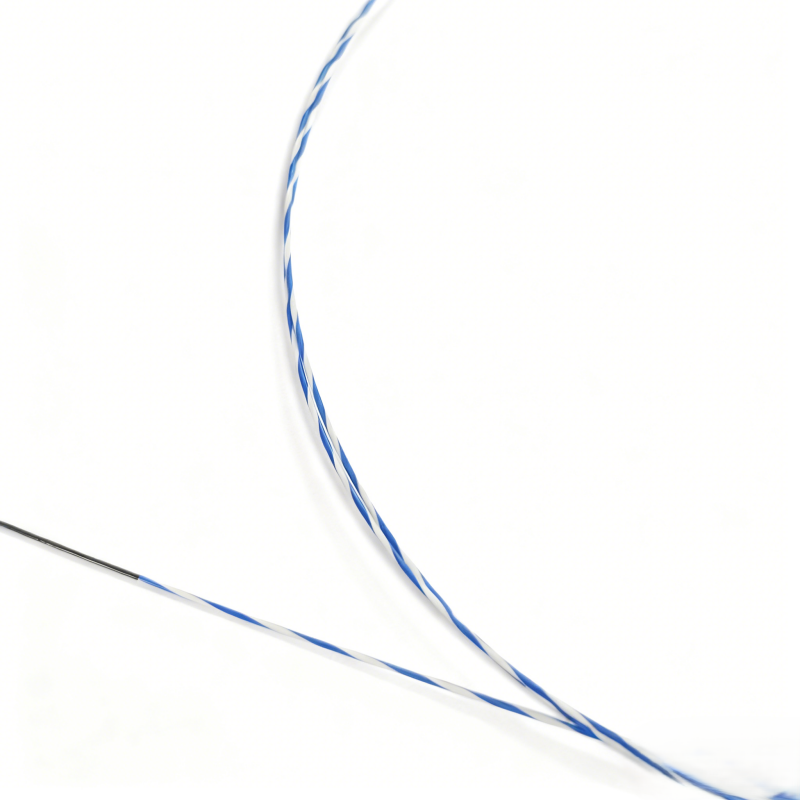
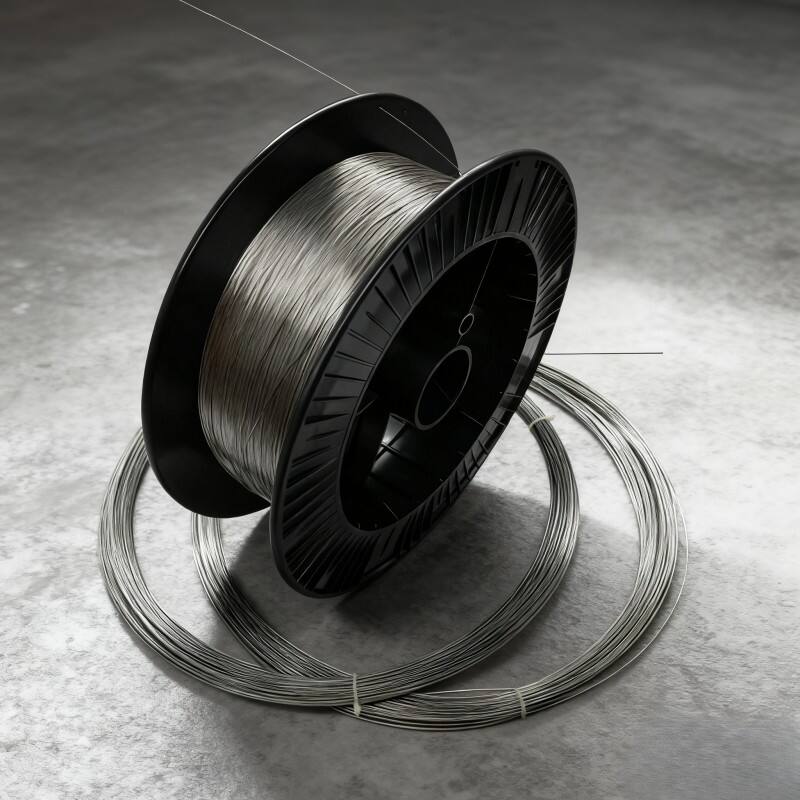
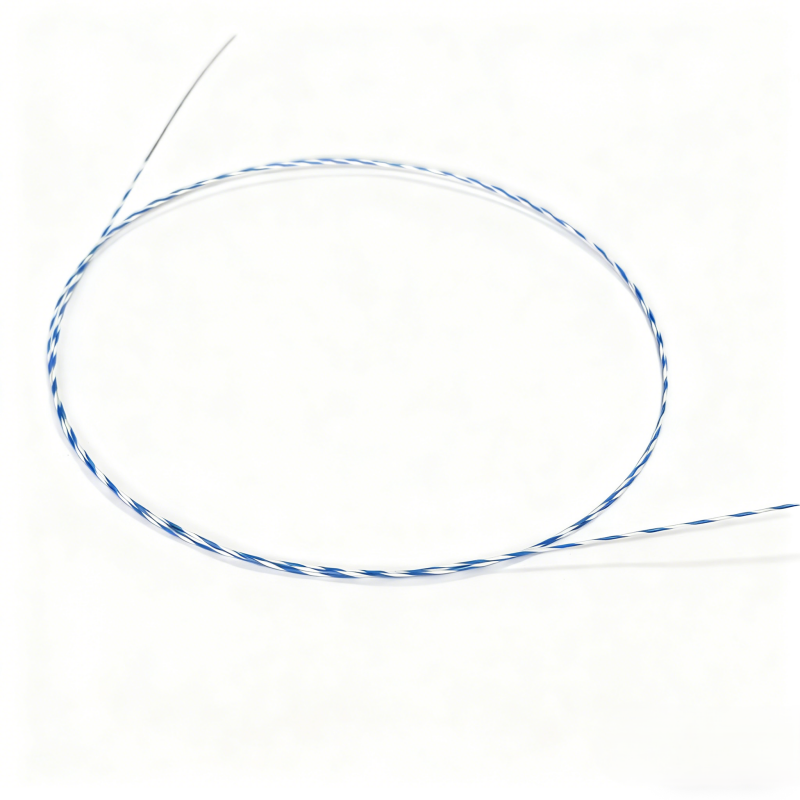
The hydrophilic guidewire is a specialized medical device engineered to navigate complex vascular and non-vascular anatomies with precision and minimal trauma. At its core, this instrument is designed to guide catheters, sheaths, and other interventional tools through the body's intricate network of vessels and ducts, serving as the foundational element in a wide range of minimally invasive procedures. The hydrophilic guidewire derives its name from its defining characteristic: a surface coating that becomes extremely slippery when exposed to moisture, dramatically reducing friction as it travels through tortuous pathways. This hydrophilic coating, typically composed of polyvinylpyrrolidone (PVP) or similar polymer compounds, absorbs water and creates a lubricious layer that allows the wire to glide smoothly through even the most challenging anatomical structures. From a technological standpoint, the hydrophilic guidewire is constructed with a high-performance core, often made from stainless steel or nitinol, which provides the necessary combination of torque response, pushability, and flexibility. The tip design varies across product lines, offering straight, angled, or J-shaped configurations to accommodate different clinical requirements. Advanced manufacturing techniques ensure that the hydrophilic coating bonds uniformly to the wire surface, maintaining its lubricity throughout the duration of a procedure without flaking or degrading. In clinical practice, the hydrophilic guidewire finds application across multiple medical specialties. In interventional cardiology and radiology, it is used to cross stenotic lesions, navigate peripheral arteries, and access target vessels. In urology, it assists in navigating the ureter and renal collecting system. Gastroenterologists rely on it for biliary and pancreatic duct access during endoscopic procedures. Neurovascular specialists use it to reach delicate cerebral vessels. The versatility of the hydrophilic guidewire makes it an indispensable tool in modern catheter-based medicine, enabling clinicians to perform complex interventions with greater confidence, reduced procedure time, and improved patient outcomes across a broad spectrum of disciplines.

New Product Releases

When you choose a hydrophilic guidewire for your interventional procedure, you are selecting a tool that directly addresses the most common challenges clinicians face every day in the cath lab, the operating suite, and the endoscopy room. Here is a clear look at the practical benefits that make this device stand out. First, the hydrophilic guidewire moves through tight, twisted, and calcified vessels far more easily than conventional wires. The moment the coating contacts body fluids or saline, it activates and becomes exceptionally slick. This means you spend less time wrestling with difficult anatomy and more time completing the procedure efficiently. Patients benefit from shorter procedure times, which translates directly into reduced exposure to contrast agents, less radiation, and lower overall procedural risk. Second, the smooth surface of the hydrophilic guidewire significantly reduces the mechanical stress placed on vessel walls. Traditional wires with higher friction coefficients can scrape or irritate delicate endothelial tissue as they advance. The hydrophilic guidewire glides past these surfaces without causing unnecessary trauma, which lowers the risk of vessel dissection, spasm, or perforation. For patients, this means a safer experience and a smoother recovery. Third, the hydrophilic guidewire gives clinicians reliable control. The core material, whether stainless steel or nitinol, transmits torque accurately from the operator's hand to the tip of the wire. When you rotate the wire at the proximal end, the distal tip responds predictably. This one-to-one torque response is critical when you need to steer into a side branch, cross a tight lesion, or navigate a sharp bend in the anatomy. You stay in control throughout the case. Fourth, the hydrophilic guidewire is compatible with a wide range of catheter systems, sheaths, and access devices. You do not need to overhaul your existing inventory or retrain your team on entirely new workflows. The wire integrates seamlessly into established procedural protocols, which saves time and reduces cost. Fifth, the hydrophilic guidewire is available in a variety of lengths, diameters, tip shapes, and stiffness profiles. Whether you are working in a peripheral artery, a biliary duct, a ureter, or a cerebral vessel, there is a configuration suited to your specific clinical need. This flexibility means you can standardize on a trusted platform while still having the right tool for each unique case. Sixth, consistent coating performance throughout the procedure gives you confidence from the first pass to the last. The hydrophilic layer does not degrade rapidly under normal procedural conditions, so the wire performs at the beginning of the case the same way it performs at the end. This reliability reduces the need for wire exchanges, which saves time and minimizes the risk of complications associated with repeated access. Taken together, these advantages make the hydrophilic guidewire a practical, high-value investment for any facility that performs catheter-based interventions. It improves procedural efficiency, enhances patient safety, and gives clinicians the control they need to deliver consistent results.

Practical Tips

Why is high-stability Nitinol the first choice for equipment in extreme conditions?

12

May

Why is high-stability Nitinol the first choice for equipment in extreme conditions?

When equipment must perform reliably under mechanical stress, thermal cycling, and repeated deformation, material selection becomes a critical engineering decision. Nitinol, the nickel-titanium shape memory alloy, has earned a dominant position in de...
View More
Why is phase transition stability of nickel titanium wire key to actuator success?

13

May

Why is phase transition stability of nickel titanium wire key to actuator success?

In the world of precision actuators, the materials used to generate motion are not merely components — they are the foundation of reliability. nickel titanium wire has emerged as one of the most compelling active materials in modern actuator engineer...
View More
Why do orthodontists prefer using orthodontic wire with shape memory?

15

May

Why do orthodontists prefer using orthodontic wire with shape memory?

In modern orthodontic practice, the materials used to move teeth are just as important as the clinical techniques applied. Among the many innovations that have transformed the field, orthodontic wire with shape memory stands out as one of the most cl...
View More
Why is Starspring's Nitinol metal at the forefront of the smart drive industry?

19

May

Why is Starspring's Nitinol metal at the forefront of the smart drive industry?

The smart drive industry is defined by its relentless demand for materials that can do more with less — components that respond intelligently to their environment, endure repeated mechanical cycles, and perform with precision in applications ranging ...
View More

Get a Free Quote

Our representative will contact you soon.
Email
Name
Company Name
Message
0/1000

hydrophilic guidewire

Superior Lubricity for Effortless Navigation Through Complex Anatomy

Superior Lubricity for Effortless Navigation Through Complex Anatomy

One of the most defining and clinically significant features of the hydrophilic guidewire is its exceptional lubricity, which is activated the moment the wire comes into contact with moisture. This property is not simply a surface treatment applied as an afterthought. It is a carefully engineered characteristic that results from the application of a hydrophilic polymer coating, most commonly polyvinylpyrrolidone or a comparable biocompatible compound, bonded directly to the outer surface of the wire. When this coating absorbs water or body fluids, it undergoes a physical transformation, swelling slightly and creating a gel-like interface between the wire and the surrounding tissue or vessel wall. The result is a coefficient of friction that is dramatically lower than that of uncoated or PTFE-coated wires, allowing the hydrophilic guidewire to advance through tortuous, stenotic, or calcified pathways with minimal resistance. For clinicians, this translates into a tangible improvement in procedural efficiency. Navigating a severely angulated iliac artery, crossing a tight coronary stenosis, or threading through a tortuous ureter are tasks that demand a wire capable of moving forward without binding or buckling. The hydrophilic guidewire meets this demand consistently. Because the wire encounters less resistance, the operator applies less forward force, which in turn reduces the risk of inadvertent vessel injury caused by sudden advancement when resistance unexpectedly gives way. This controlled, smooth progression through the anatomy is a safety feature as much as it is a performance feature. Patients benefit directly from this lubricity. Procedures that might otherwise require multiple wire exchanges or extended fluoroscopy time to navigate difficult anatomy can often be completed more quickly and with fewer complications when a hydrophilic guidewire is used from the outset. Shorter procedure times mean less contrast exposure, reduced radiation dose, and a lower overall burden on the patient. For facilities managing high procedural volumes, the cumulative impact of these time savings is substantial. The durability of the hydrophilic coating is equally important. A coating that degrades mid-procedure forces the operator to exchange the wire, adding time and introducing additional access-related risk. High-quality hydrophilic guidewires are manufactured with coating adhesion processes that maintain lubricity throughout the expected duration of a standard interventional procedure, giving clinicians the confidence to work without interruption. In summary, the lubricity of the hydrophilic guidewire is not a single-dimensional benefit. It simultaneously improves navigation ease, enhances patient safety, shortens procedure time, and supports consistent clinical outcomes, making it one of the most valuable attributes any interventional wire can offer.
Precise Torque Transmission for Confident Directional Control

Precise Torque Transmission for Confident Directional Control

Effective navigation through the vascular system or any other anatomical pathway requires more than a slippery surface. It demands that the clinician maintain precise directional control over the tip of the wire at all times. The hydrophilic guidewire is engineered to deliver exactly this level of control through a combination of core material selection, wire construction geometry, and tip design that together produce reliable, predictable torque transmission from the operator's hand to the distal end of the device. The core of a high-performance hydrophilic guidewire is typically fabricated from nitinol or high-grade stainless steel. Nitinol, an alloy of nickel and titanium, offers a unique combination of superelasticity and shape memory that allows the wire to navigate tight curves without taking a permanent set, while still transmitting rotational force efficiently along its length. Stainless steel cores, by contrast, offer excellent pushability and a stiffer feel that some operators prefer for crossing resistant lesions. In both cases, the core is designed to minimize the lag between the rotation applied at the proximal end and the response observed at the distal tip, a property known as torque response or torque transmission fidelity. In practical terms, this means that when an interventionalist rotates the hydrophilic guidewire by a quarter turn at the access site, the tip of the wire rotates by a corresponding amount inside the patient's body. This one-to-one relationship between input and output is critical when the operator needs to steer into a specific side branch, redirect the wire away from a false lumen, or position the tip precisely within a target vessel before advancing a catheter over it. Poor torque transmission, where the wire winds up proximally and then releases suddenly, creates unpredictable tip movement that can lead to vessel injury or loss of position. The tip design of the hydrophilic guidewire further enhances directional control. Angled tip configurations allow the operator to use a rotation-and-advance technique to steer selectively into branching vessels, while soft, atraumatic tip materials protect delicate endothelial surfaces during manipulation. The combination of a responsive core and a well-designed tip gives the clinician a level of tactile feedback and directional authority that builds confidence throughout the procedure. For patients, precise torque control means the wire reaches its intended destination efficiently and without unnecessary probing of adjacent structures. This reduces the risk of inadvertent vessel entry, subintimal wire passage, or perforation, all of which are complications that extend procedure time and increase patient risk. The hydrophilic guidewire's torque performance is therefore a direct contributor to procedural safety and clinical success.
Broad Clinical Versatility Across Multiple Medical Specialties

Broad Clinical Versatility Across Multiple Medical Specialties

A truly valuable interventional tool is one that earns its place in multiple clinical settings, not just a single niche application. The hydrophilic guidewire has achieved exactly this status, becoming a standard component of procedural trays across interventional cardiology, interventional radiology, urology, gastroenterology, and neurovascular medicine. This broad clinical versatility is not accidental. It is the result of deliberate design choices that make the hydrophilic guidewire adaptable to the unique demands of each specialty while maintaining the core performance characteristics that clinicians rely on universally. In interventional cardiology and peripheral vascular work, the hydrophilic guidewire is used to cross stenotic and occluded arterial segments, navigate tortuous iliac and femoral vessels, and provide a stable rail over which balloon catheters, stent delivery systems, and other devices can be advanced. The wire's lubricity is particularly valuable in calcified or heavily diseased vessels where friction would otherwise impede progress. In interventional radiology, the hydrophilic guidewire supports access to visceral vessels, hepatic and renal arteries, and venous structures for a wide range of embolization, drainage, and stenting procedures. In urology, the hydrophilic guidewire is an essential tool for ureteroscopy and percutaneous nephrolithotomy procedures. Navigating the ureter, which is a narrow, muscular tube prone to spasm, requires a wire that can advance without triggering reactive contraction. The low-friction surface of the hydrophilic guidewire minimizes ureteral irritation, allowing the wire to reach the renal pelvis smoothly and providing a reliable working channel for subsequent instrumentation. In gastroenterology, endoscopists use the hydrophilic guidewire to access the common bile duct and pancreatic duct during endoscopic retrograde cholangiopancreatography procedures. The ability to navigate the papilla and advance through ductal strictures with minimal trauma is critical to procedural success and patient comfort. In neurovascular applications, where the vessels are small, fragile, and located in an anatomically sensitive region, the hydrophilic guidewire's combination of lubricity, flexibility, and precise tip control makes it suitable for navigating cerebral and spinal vasculature in support of aneurysm coiling, arteriovenous malformation treatment, and mechanical thrombectomy procedures. The availability of the hydrophilic guidewire in multiple diameters, lengths, tip shapes, and stiffness profiles ensures that clinicians across all these specialties can find a configuration matched to their specific procedural requirements. This versatility reduces the number of different wire platforms a facility needs to stock, simplifies procurement, and allows clinical teams to build deep familiarity with a single trusted product family. For patients, the result is access to a consistently high standard of care regardless of the specific procedure or specialty involved.
Hydrophilic Guidewire: Advanced Navigation, Precision Control, and Clinical Versatility

Get a Free Quote

Our representative will contact you soon.
Email
Name
Company Name
Message
0/1000
Newsletter
Please Leave A Message With Us