Guide Wire Medical Price: Complete Buyer Guide to Features, Value, and Smart Procurement

Get a Free Quote

Our representative will contact you soon.
Email
Name
Company Name
Message
0/1000

guide wire medical price

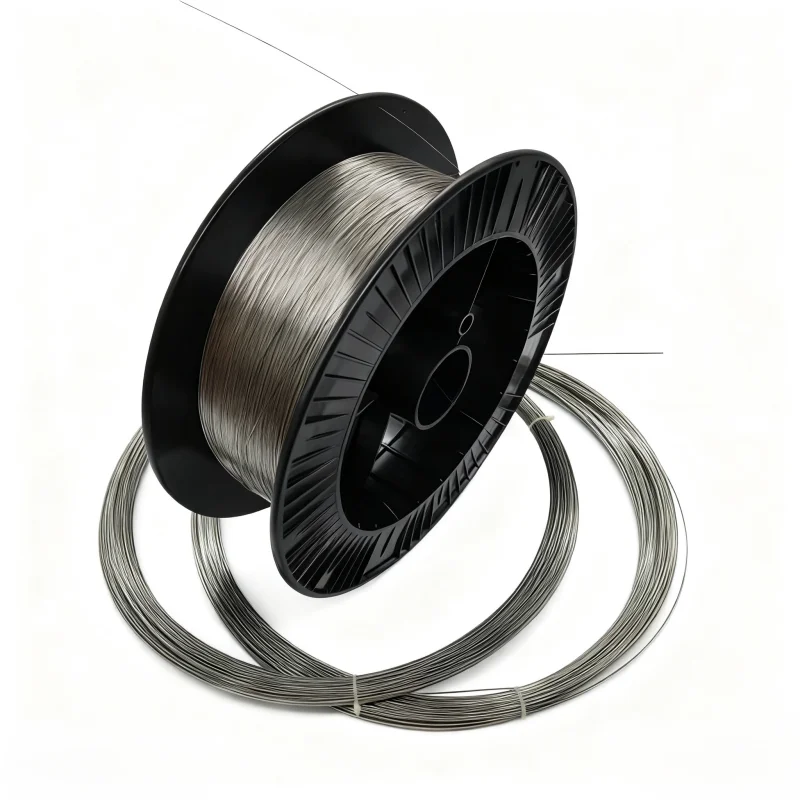
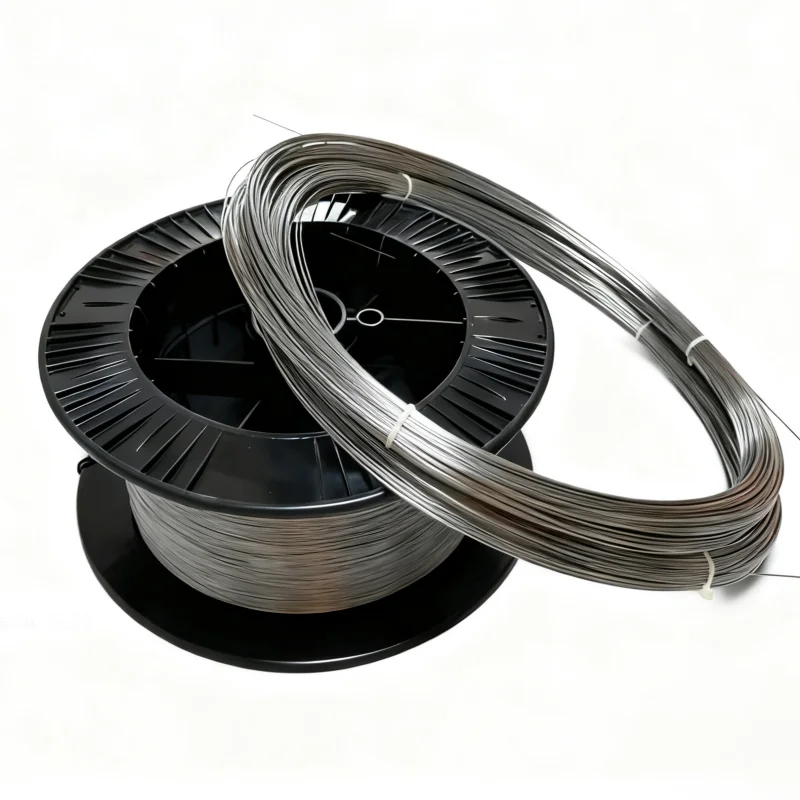
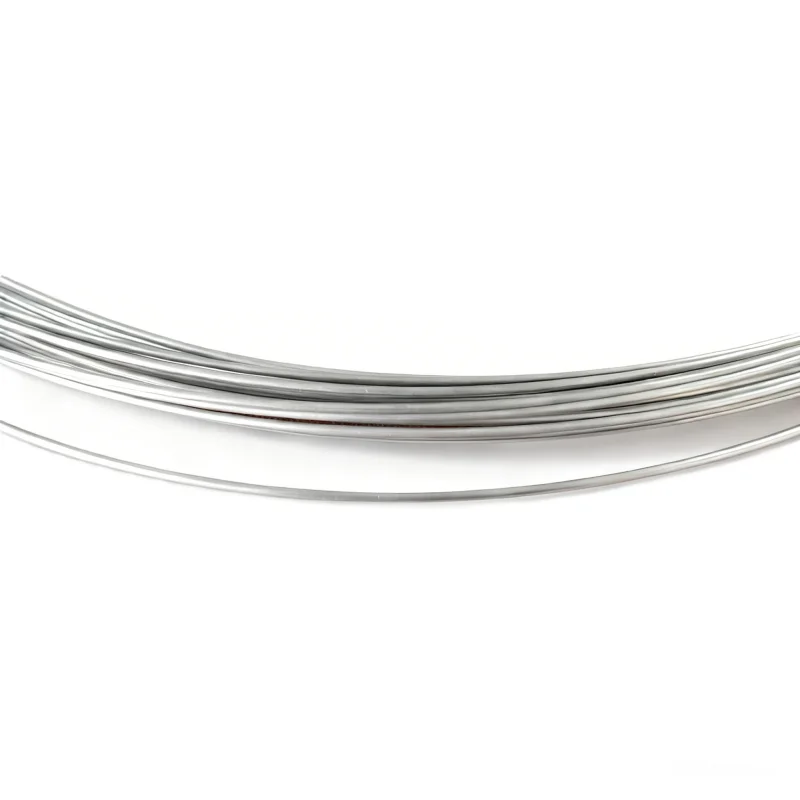
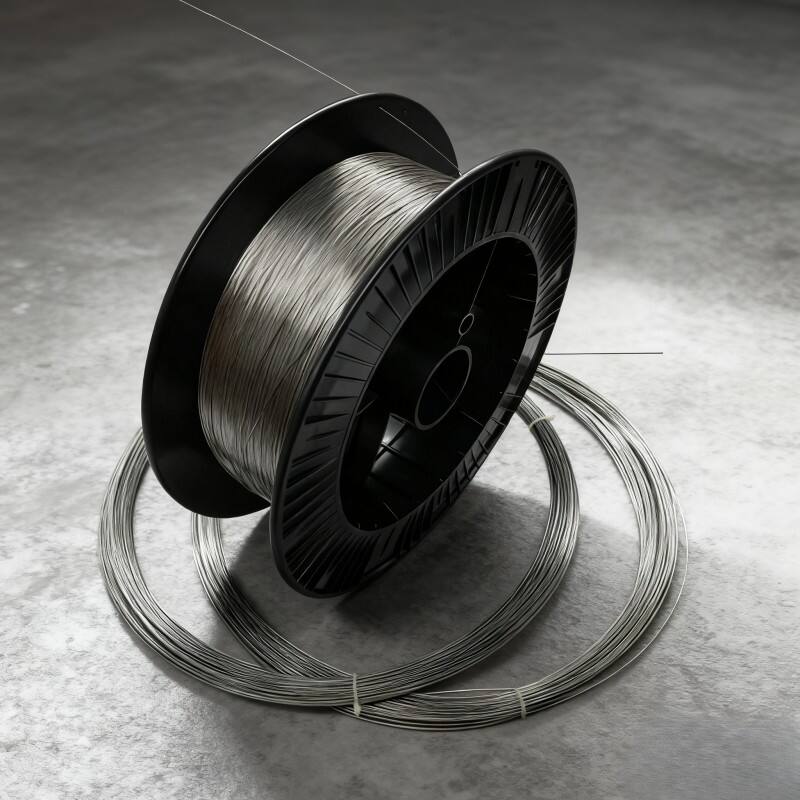
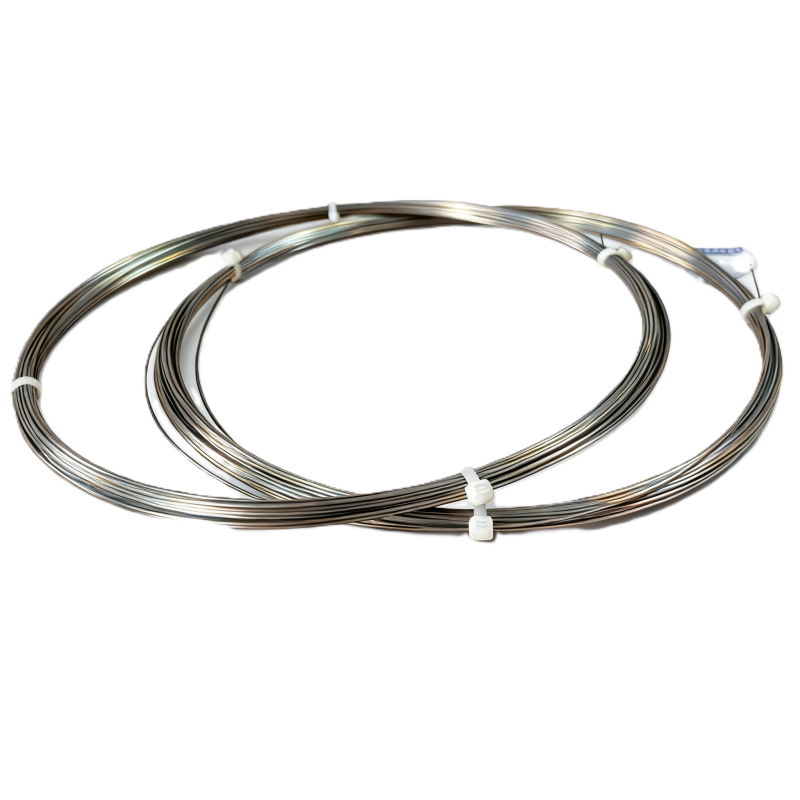
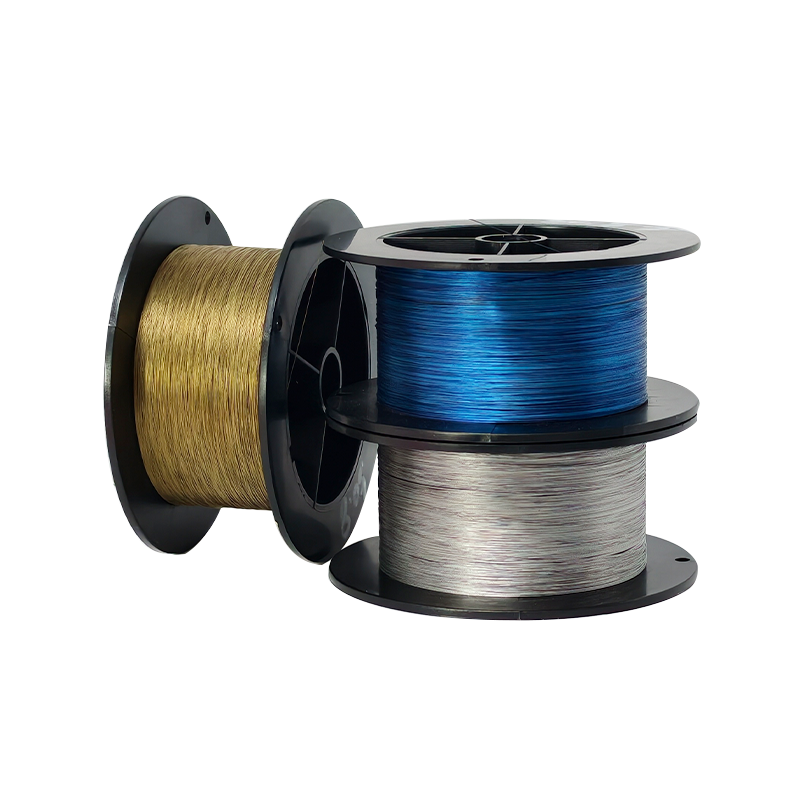
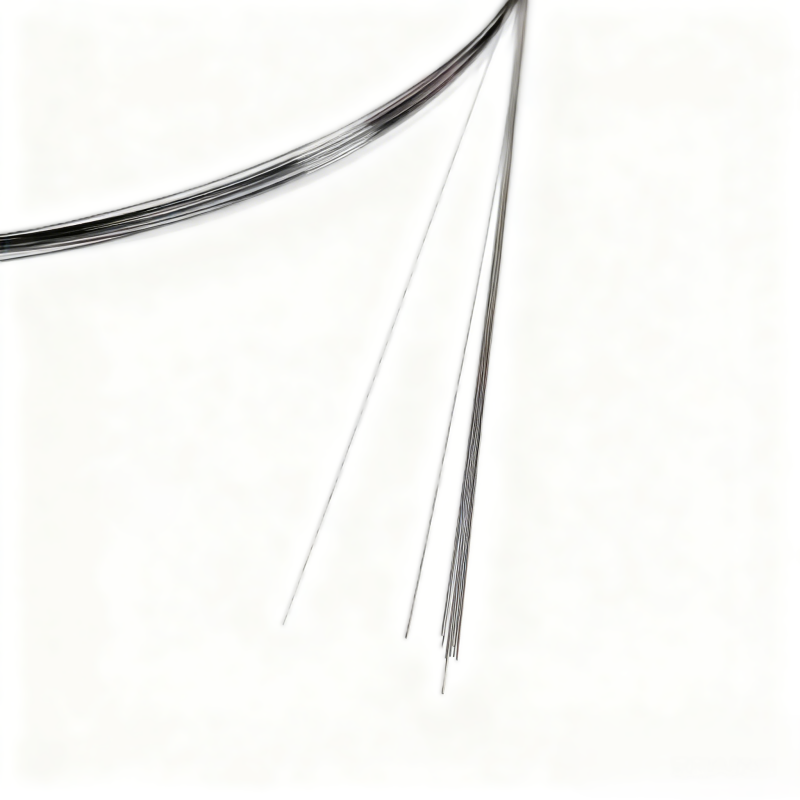
Guide wire medical price is a critical consideration for hospitals, clinics, and procurement teams navigating the complex landscape of interventional medical devices. A guide wire is a thin, flexible wire used by physicians to navigate through blood vessels, ducts, and other anatomical pathways during minimally invasive procedures. Understanding guide wire medical price helps healthcare facilities plan budgets effectively while ensuring they acquire devices that meet clinical performance standards. Guide wires serve as the foundational tool in a wide range of procedures, including coronary angioplasty, peripheral vascular interventions, biliary drainage, urological procedures, and neurovascular navigation. Their primary function is to provide a pathway along which catheters, stents, balloons, and other devices can be safely advanced to the target site. From a technological standpoint, modern guide wires are engineered with multi-layer construction, typically featuring a stainless steel or nitinol core, a coiled or braided outer layer, and a hydrophilic or hydrophobic polymer coating. Nitinol cores offer superior flexibility and shape memory, allowing the wire to navigate tortuous anatomy without kinking. Hydrophilic coatings dramatically reduce friction, enabling smoother passage through tight or calcified lesions. Tip designs vary from straight to angled to J-shaped, each optimized for specific anatomical targets. Guide wire medical price varies considerably based on these technological attributes. Basic diagnostic guide wires used in straightforward vascular access tend to occupy the lower end of the pricing spectrum, while specialty wires engineered for complex chronic total occlusion procedures or neurovascular applications command premium pricing. Diameter, length, coating type, tip stiffness, and torque response all influence the final guide wire medical price. Procurement teams must weigh clinical requirements against cost-per-procedure economics to make informed purchasing decisions. Regulatory compliance, sterilization standards, and manufacturer reputation also factor into the overall value assessment when evaluating guide wire medical price across different suppliers and product lines.


New Product Recommendations

When healthcare buyers evaluate guide wire medical price, they are really asking a deeper question: what practical value does this device deliver relative to its cost? The answer lies in a set of concrete, measurable benefits that directly affect patient outcomes, procedural efficiency, and institutional economics. First, competitive guide wire medical price allows hospitals to stock a broader range of wire specifications without exhausting device budgets. Having access to multiple tip shapes, stiffness profiles, and coating types means physicians can select the right tool for each unique case rather than forcing a single wire to perform across all scenarios. This flexibility reduces procedure time, lowers the risk of vessel trauma, and decreases the likelihood of needing additional devices to complete a case. Second, guide wires with favorable pricing structures enable high-volume catheterization labs and endoscopy suites to maintain consistent supply levels. Running out of critical devices mid-procedure is not an option in clinical settings. When guide wire medical price is aligned with institutional budgets, procurement teams can maintain adequate par levels and safety stock without financial strain. Third, cost-effective guide wire medical price does not have to mean compromised quality. Many manufacturers have optimized their production processes to deliver high-performance nitinol and stainless steel guide wires at accessible price points. Buyers who conduct thorough market comparisons often discover that mid-tier pricing tiers offer wires with hydrophilic coatings, excellent torque transmission, and reliable tip integrity that rival premium-priced alternatives in routine clinical applications. Fourth, transparent guide wire medical price structures simplify contract negotiations between hospitals and group purchasing organizations. When pricing is clear and consistent, procurement teams can forecast annual device spend with greater accuracy, reducing budget variances and administrative overhead. Fifth, favorable guide wire medical price supports training programs. Teaching hospitals and simulation centers require large quantities of guide wires for resident education and skills lab exercises. Accessible pricing makes it economically feasible to provide trainees with hands-on repetitions using real devices rather than low-fidelity simulators. Sixth, when guide wire medical price is competitive across a supplier's full product portfolio, facilities can consolidate their vendor relationships. Fewer suppliers mean streamlined ordering, simplified invoicing, reduced credentialing burden, and stronger negotiating leverage for volume discounts. Seventh, patients ultimately benefit when institutions can afford to use the most clinically appropriate guide wire for each procedure. Better device selection leads to shorter fluoroscopy times, fewer complications, faster recovery, and improved patient satisfaction scores. In summary, evaluating guide wire medical price through the lens of practical clinical and operational benefit reveals that smart purchasing decisions create value far beyond the unit cost printed on an invoice.

Latest News

Why is a brand with a 5,000m² factory more professional in Nitinol customization?

22

May

Why is a brand with a 5,000m² factory more professional in Nitinol customization?

When sourcing advanced shape memory alloys for medical devices, aerospace components, or industrial actuators, the manufacturing environment behind a supplier tells you far more than a product catalog ever could. Nitinol customization is a precision-...
View More
What breakthroughs can Nitinol material bring to future flexible robot joints?

25

May

What breakthroughs can Nitinol material bring to future flexible robot joints?

The evolution of robotics is deeply tied to the materials that power movement, flexibility, and responsiveness. Among the most promising advances in this space, Nitinol material stands out as a transformative force in the design of flexible robot joi...
View More
How to identify high-quality Nitinol sources with a 21-year background?

01

Jun

How to identify high-quality Nitinol sources with a 21-year background?

Sourcing Nitinol for industrial, medical, or specialty applications is not a decision that should be made lightly. Nitinol, the nickel-titanium shape memory alloy renowned for its superelastic behavior and thermal responsiveness, demands a level of m...
View More
Why should you prioritize the manufacturer's R&D center when choosing partners?

02

Jun

Why should you prioritize the manufacturer's R&D center when choosing partners?

When evaluating potential manufacturing partners, most procurement teams focus on price, lead time, and production capacity. These are legitimate criteria, but they often overlook one of the most telling indicators of long-term value: the strength an...
View More

Get a Free Quote

Our representative will contact you soon.
Email
Name
Company Name
Message
0/1000

guide wire medical price

Transparent Pricing Structures That Empower Smarter Procurement Decisions

Transparent Pricing Structures That Empower Smarter Procurement Decisions

One of the most significant advantages associated with understanding guide wire medical price is the ability it gives procurement professionals to make genuinely informed purchasing decisions. In the medical device industry, pricing opacity has historically been a barrier to efficient resource allocation. When suppliers provide clear, itemized guide wire medical price information that breaks down costs by wire diameter, length, coating type, and tip configuration, buyers gain the analytical foundation they need to compare products on a like-for-like basis. This transparency eliminates guesswork from the procurement process and allows value analysis committees to conduct rigorous cost-benefit assessments. Transparent guide wire medical price structures also facilitate more productive negotiations with distributors and manufacturers. When a hospital or integrated delivery network understands the true market range for a given wire specification, they can negotiate from a position of knowledge rather than uncertainty. This dynamic shifts the conversation from simple price haggling to a more strategic dialogue about total cost of ownership, including factors such as shelf life, packaging efficiency, and compatibility with existing catheter systems. Furthermore, clear guide wire medical price data supports evidence-based formulary decisions. Value analysis teams can cross-reference pricing with published clinical data on procedural success rates, complication frequencies, and device failure modes to determine which products deliver the best risk-adjusted value. This approach ensures that cost reduction efforts do not inadvertently compromise clinical quality. For multi-site health systems, standardized guide wire medical price agreements create consistency across facilities, reducing the administrative complexity of managing different contracts at each location. Centralized pricing also enables system-wide utilization tracking, which generates data that can be used to further optimize purchasing volumes and negotiate improved terms at contract renewal. Ultimately, transparent guide wire medical price information is not just a financial tool. It is a strategic asset that empowers clinical and operational leaders to align device selection with both patient care goals and institutional financial sustainability.
Performance-to-Price Ratio: Getting Maximum Clinical Value From Every Guide Wire Purchase

Performance-to-Price Ratio: Getting Maximum Clinical Value From Every Guide Wire Purchase

The concept of performance-to-price ratio is central to any serious evaluation of guide wire medical price. Healthcare institutions are under constant pressure to deliver high-quality care while managing costs, and the guide wire category is no exception to this challenge. A wire that costs less per unit but requires multiple attempts to cross a lesion, causes vessel injury, or loses torque response mid-procedure ultimately costs more in terms of extended procedure time, additional device usage, and potential complications. Conversely, a guide wire priced at a premium is only justified if its advanced features are genuinely required for the clinical scenario at hand. Sophisticated buyers approach guide wire medical price by segmenting their case mix and matching wire specifications to procedural complexity. Straightforward diagnostic catheterizations and routine peripheral access cases can be handled effectively with well-engineered standard guide wires available at moderate price points. Complex interventions involving heavily calcified vessels, chronic total occlusions, or tortuous neurovascular anatomy may warrant investment in specialty wires with advanced tip designs, enhanced pushability, and superior lesion-crossing capability. This tiered approach to guide wire medical price optimization ensures that premium devices are reserved for cases where their performance advantages translate into measurable clinical benefit. It also prevents over-specification, which occurs when high-cost wires are used routinely in simple cases where a less expensive option would perform equally well. Manufacturers who understand this dynamic offer product portfolios that span multiple price tiers, giving buyers the flexibility to right-size their device selection. When evaluating guide wire medical price across a portfolio, buyers should also consider the total procedural cost impact. A guide wire that reduces average procedure time by even a few minutes generates savings in staff time, room utilization, and contrast media consumption that can far exceed the difference in unit price between competing products. Performance-to-price analysis, therefore, requires a holistic view that accounts for all downstream cost implications of device selection.
Supply Chain Reliability and Guide Wire Medical Price Stability in a Volatile Market

Supply Chain Reliability and Guide Wire Medical Price Stability in a Volatile Market

Beyond the unit economics of individual transactions, guide wire medical price stability over time is a critical factor for healthcare supply chain managers. The global medical device market has experienced significant disruptions in recent years, driven by raw material shortages, logistics challenges, regulatory changes, and shifts in manufacturing geography. These disruptions have created price volatility that makes long-term budget planning difficult for hospitals and health systems. Partnering with suppliers who demonstrate a commitment to guide wire medical price stability provides institutions with a meaningful operational advantage. Suppliers who maintain diversified manufacturing bases, robust raw material inventories, and strong logistics networks are better positioned to honor contracted pricing even during periods of broader market stress. When evaluating potential guide wire suppliers, procurement teams should assess not only the current guide wire medical price but also the supplier's track record of price consistency across previous contract cycles. Sudden price increases at contract renewal are a significant source of budget variance and can force difficult trade-offs between device quality and cost containment. Long-term supply agreements with price escalation caps tied to published indices offer a structured mechanism for managing guide wire medical price risk while preserving supplier relationships. These agreements give both parties predictability and reduce the administrative burden of frequent renegotiation. Additionally, suppliers who invest in demand forecasting and inventory management tools can offer consignment programs or vendor-managed inventory arrangements that reduce the capital tied up in on-site device stock without sacrificing availability. This type of supply chain partnership adds value that extends well beyond the guide wire medical price listed on a standard purchase order. For healthcare systems operating across multiple facilities or geographies, coordinated supply chain strategies that leverage consolidated guide wire medical price agreements can generate substantial savings while ensuring that every clinical site has reliable access to the full range of wire specifications needed to support their patient population.
Guide Wire Medical Price: Complete Buyer Guide to Features, Value, and Smart Procurement

Get a Free Quote

Our representative will contact you soon.
Email
Name
Company Name
Message
0/1000
Newsletter
Please Leave A Message With Us