Guide Wire Orthopedic - Precision Surgical Instruments for Minimally Invasive Bone Procedures

Get a Free Quote

Our representative will contact you soon.
Email
Name
Company Name
Message
0/1000

guide wire orthopedic

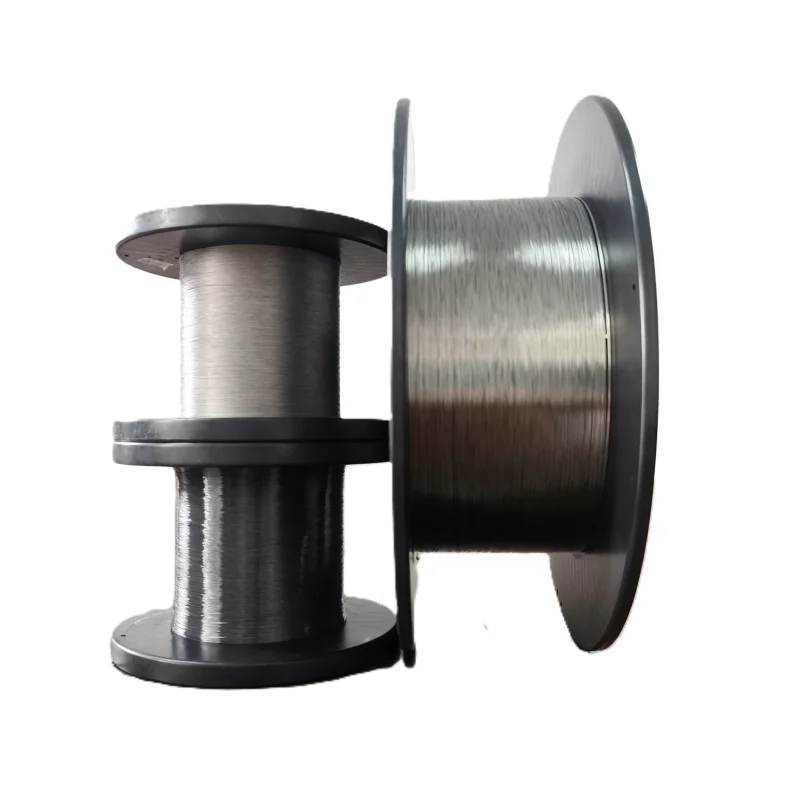
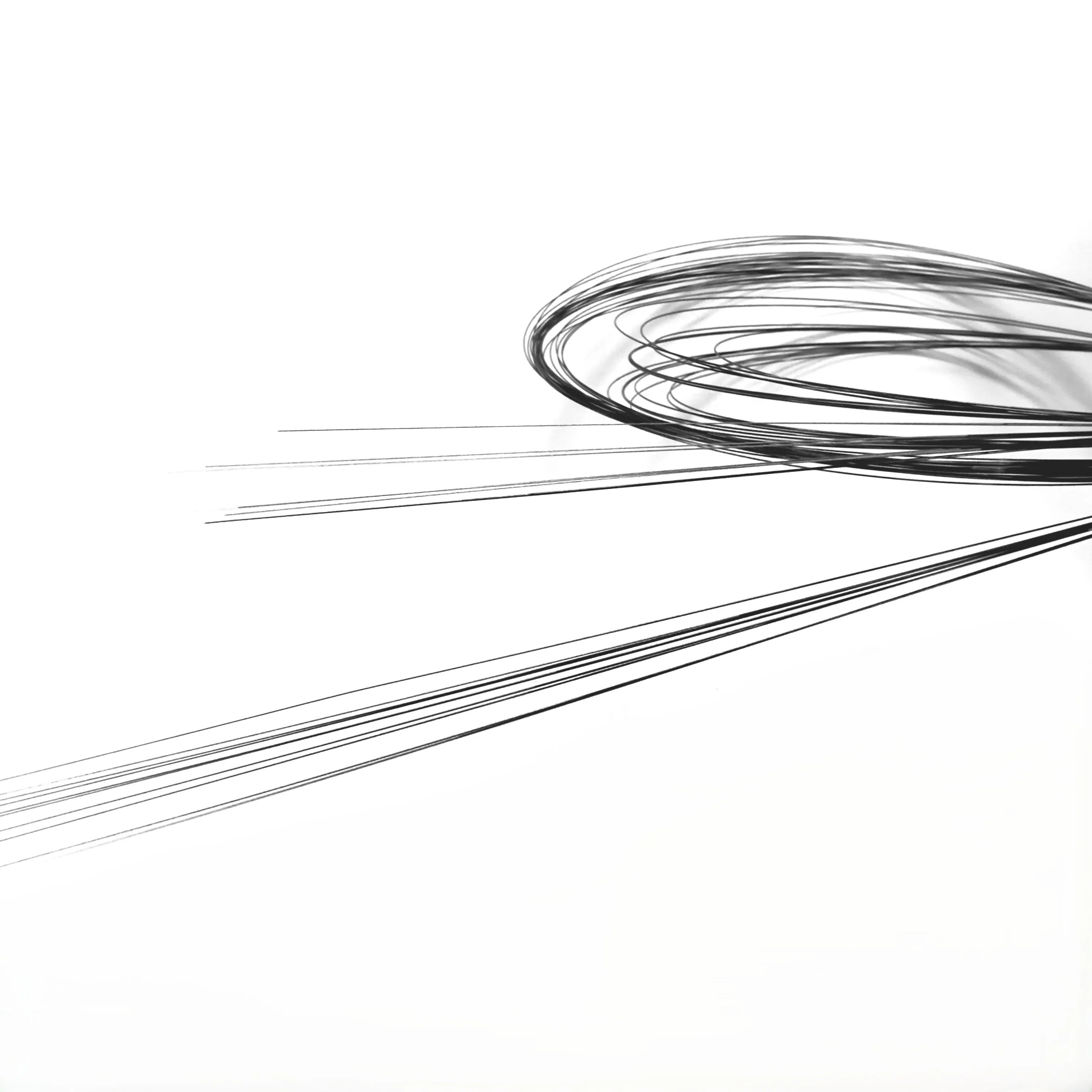
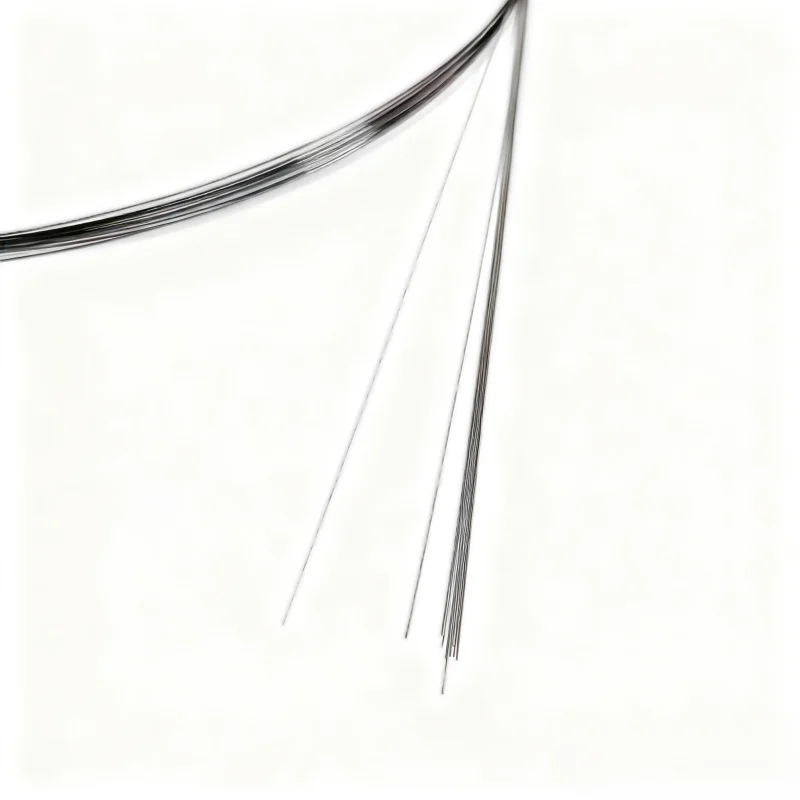
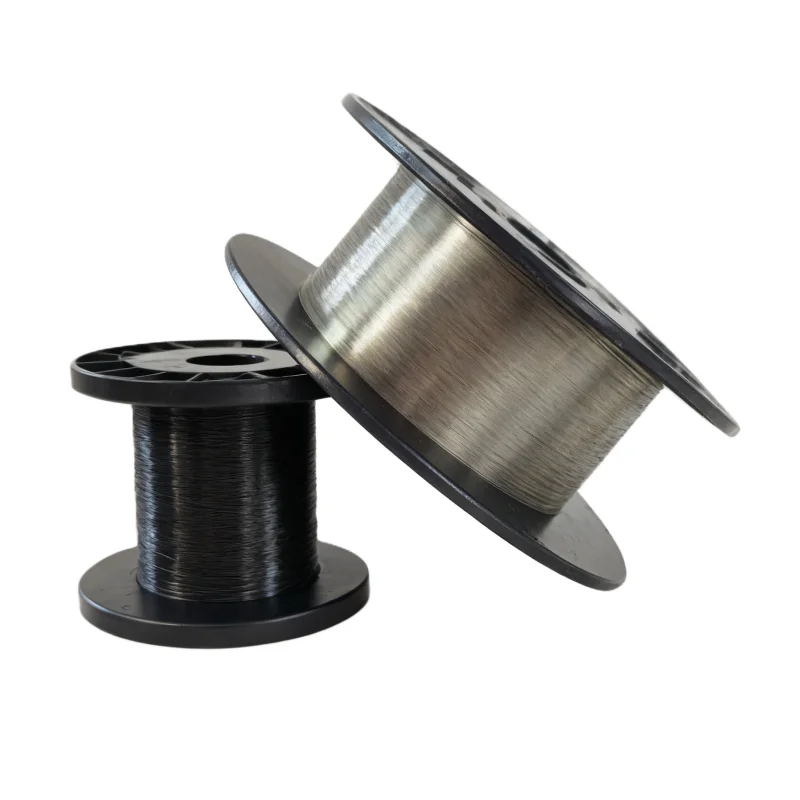
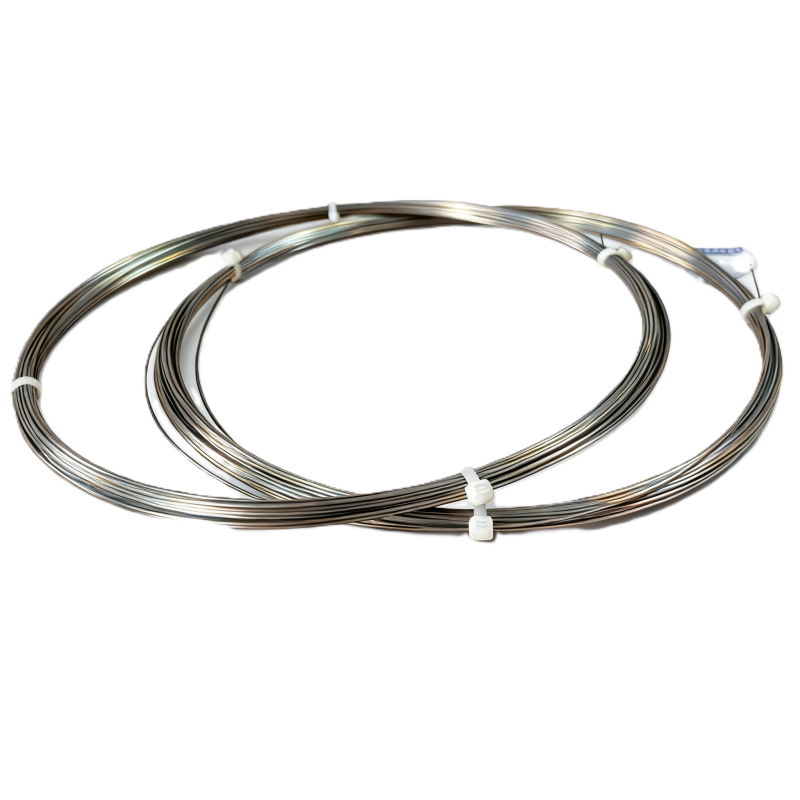
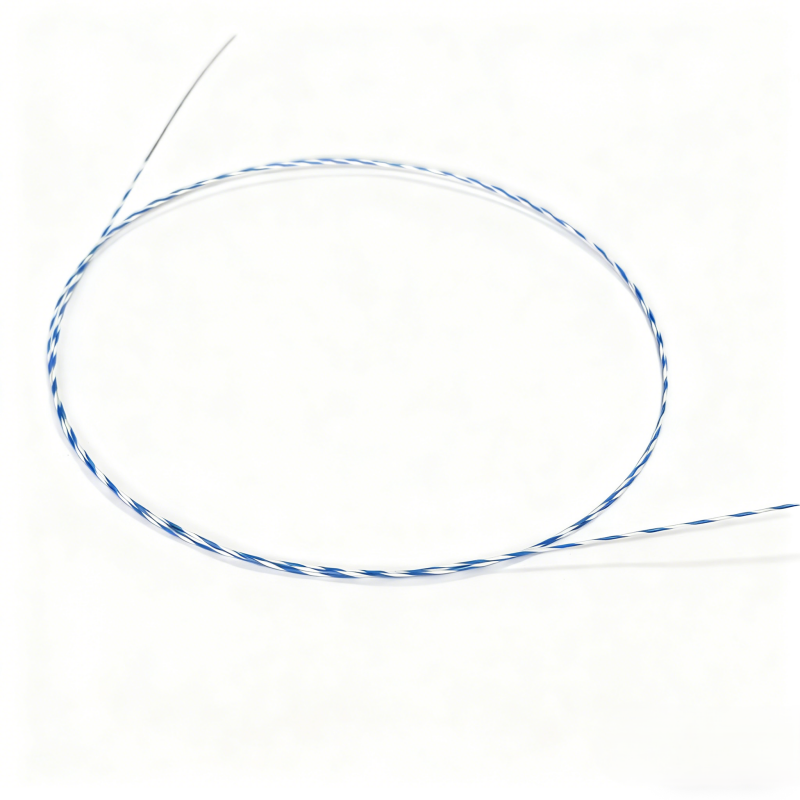
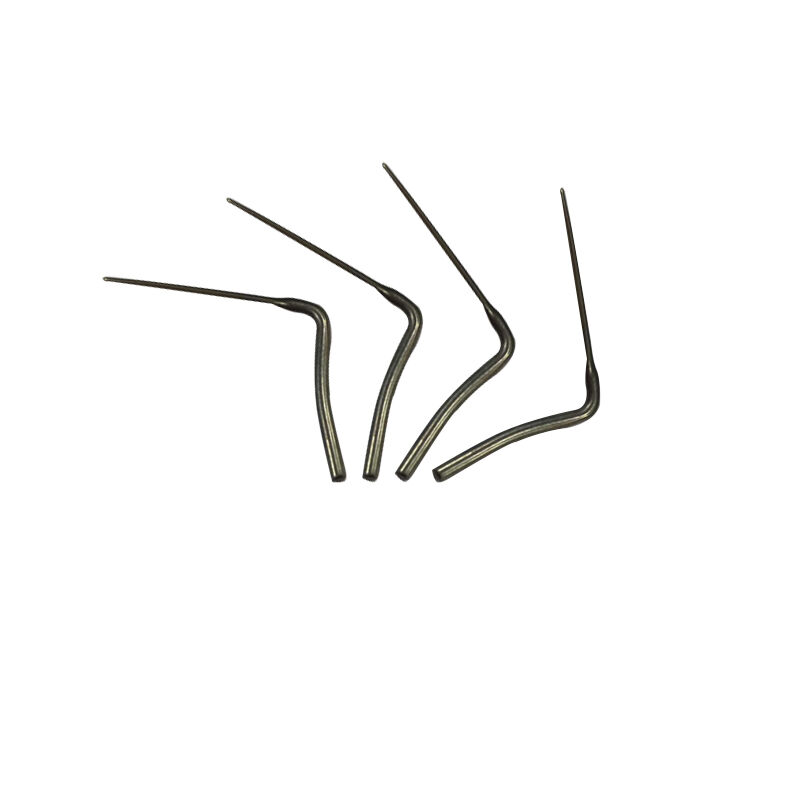
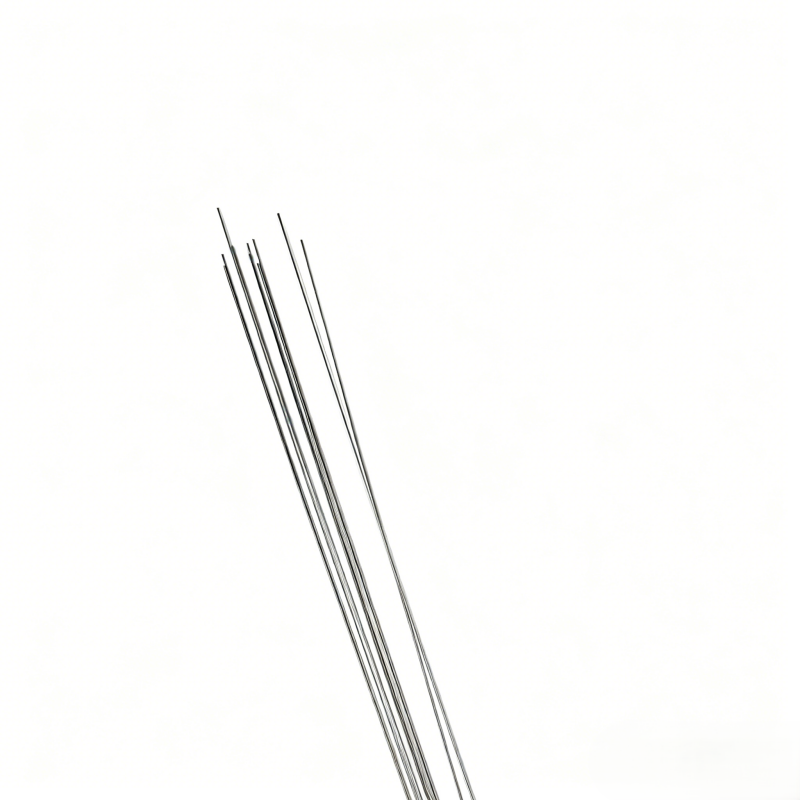
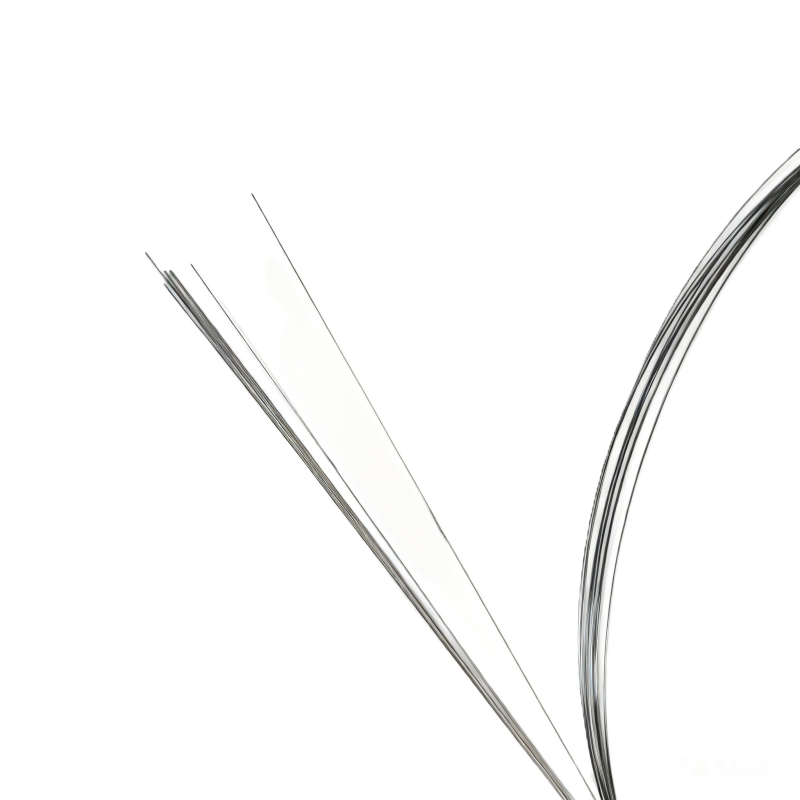
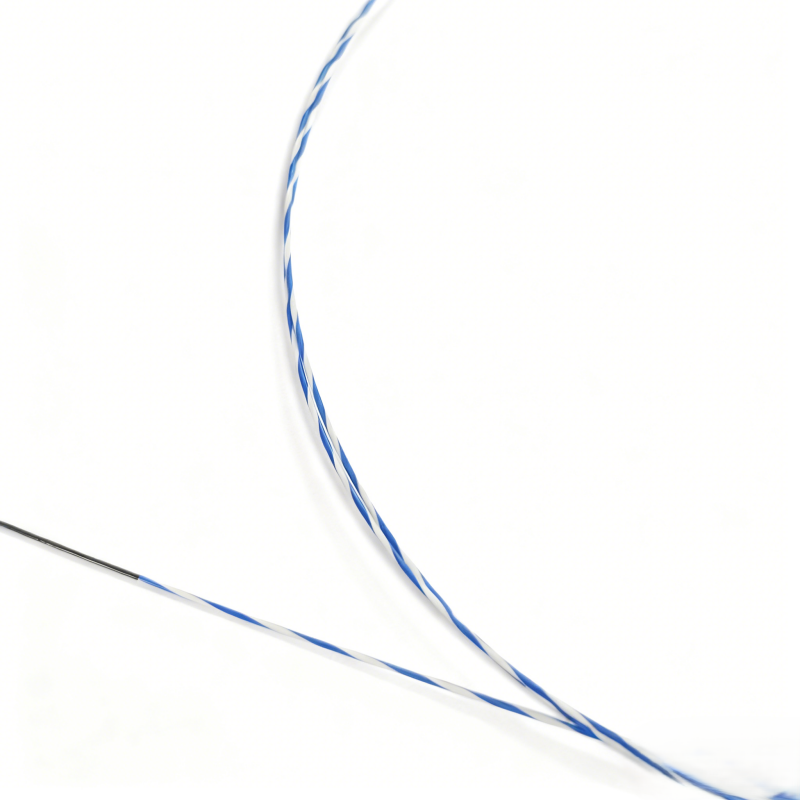
A guide wire orthopedic represents a fundamental surgical instrument that surgeons rely upon during minimally invasive procedures and complex bone repairs. This specialized medical device serves as a pathfinder, creating precise trajectories through bone tissue to facilitate the accurate placement of screws, pins, implants, and other fixation devices. The guide wire orthopedic functions as a navigational tool that enables medical professionals to reach specific anatomical locations with exceptional accuracy while minimizing tissue damage and reducing patient recovery time. Modern guide wire orthopedic instruments are manufactured using premium-grade stainless steel or titanium alloys, materials selected for their biocompatibility, strength, and flexibility characteristics. These wires feature carefully engineered tip designs, including trocar points, threaded ends, or blunt configurations, each tailored to specific surgical applications and bone density requirements. The diameter specifications of a guide wire orthopedic typically range from 1.0mm to 3.2mm, with length options extending from 150mm to 500mm, providing surgeons with versatile solutions for various anatomical regions and procedural demands. Advanced manufacturing techniques ensure consistent surface finishes that promote smooth insertion and removal while preventing tissue adherence. The technological evolution of the guide wire orthopedic has incorporated radiopaque markers and fluoroscopy-compatible materials, enabling real-time visualization during procedures and enhancing positional confirmation. Contemporary designs often include graduated depth markings along the wire shaft, allowing surgeons to measure insertion depth accurately without additional instrumentation. The guide wire orthopedic has become indispensable across multiple orthopedic specialties, including trauma surgery, joint reconstruction, spinal procedures, and sports medicine applications. Its role in computer-assisted surgery and robotic-guided procedures continues to expand, with manufacturers developing specialized variants that integrate seamlessly with navigation systems and digital imaging platforms. The precision engineering behind each guide wire orthopedic ensures reproducible outcomes, reduces surgical complications, and supports the trend toward less invasive surgical approaches that benefit both patients and healthcare systems worldwide.


New Product Releases

The guide wire orthopedic delivers substantial benefits that directly impact surgical outcomes and patient experiences. First and foremost, these instruments provide unmatched precision during bone procedures, allowing surgeons to establish exact pathways before introducing larger instruments or implants. This precision reduces the risk of misplacement errors that could compromise structural integrity or require corrective procedures. Patients benefit from smaller incisions since the guide wire orthopedic enables minimally invasive techniques that preserve surrounding soft tissues, blood vessels, and nerve structures. Smaller incisions translate directly into reduced post-operative pain, decreased scarring, and faster return to normal activities. The surgical time savings offered by a guide wire orthopedic cannot be overstated, as establishing accurate trajectories quickly means shorter anesthesia exposure and lower infection risks. Hospitals appreciate these efficiency gains because they allow more procedures per operating room day and optimize resource utilization. The versatility of the guide wire orthopedic across multiple procedure types means surgical teams can standardize their instrument sets, reducing inventory complexity and training requirements. Surgeons gain confidence knowing their guide wire orthopedic will perform consistently across different bone densities and anatomical locations, from delicate hand bones to dense femoral structures. The biocompatible materials used in manufacturing ensure that even if temporary retention becomes necessary, tissue reactions remain minimal. Patients with metal sensitivities can be accommodated through titanium variants of the guide wire orthopedic. The radiopaque properties built into modern designs provide continuous visual feedback during fluoroscopy, eliminating guesswork and reducing radiation exposure through fewer confirmatory images. Cost-effectiveness represents another significant advantage, as the guide wire orthopedic prevents expensive complications, reduces revision surgery rates, and shortens hospital stays. The durability of these instruments means they withstand multiple sterilization cycles without performance degradation, offering excellent value over their service life. Training new surgical staff becomes more straightforward because the guide wire orthopedic follows intuitive principles that align with natural hand movements and standard anatomical approaches. The reduced trauma to bone tissue during wire insertion preserves blood supply to the surgical area, promoting faster healing and stronger bone integration around subsequently placed implants. Risk management improves significantly because the guide wire orthopedic allows surgeons to verify positioning before committing to irreversible steps like drilling or reaming. Patients experience better functional outcomes because precise implant placement facilitated by the guide wire orthopedic ensures optimal biomechanical alignment. The psychological benefits for patients should not be overlooked, as faster recoveries and smaller scars contribute to improved satisfaction scores and quality of life measures. Healthcare systems benefit from reduced complication rates that lower readmission costs and improve overall care metrics.

Latest News

Why do full-chain manufacturers provide a more stable supply of SMA wire?

14

May

Why do full-chain manufacturers provide a more stable supply of SMA wire?

In industrial and medical procurement, supply chain reliability is not a luxury — it is a fundamental requirement. When sourcing SMA wire, the type of manufacturer you partner with has a direct and measurable impact on delivery consistency, material ...
View More
Why is Starspring's Nitinol metal at the forefront of the smart drive industry?

19

May

Why is Starspring's Nitinol metal at the forefront of the smart drive industry?

The smart drive industry is defined by its relentless demand for materials that can do more with less — components that respond intelligently to their environment, endure repeated mechanical cycles, and perform with precision in applications ranging ...
View More
Why do full-process manufacturers provide higher performance Nitinol SMA?

20

May

Why do full-process manufacturers provide higher performance Nitinol SMA?

When engineers and procurement specialists evaluate materials for high-precision medical devices, aerospace components, or advanced actuator systems, the source of the material matters as much as the material itself. Nitinol SMA — the nickel-titanium...
View More
How to identify high-quality Nitinol sources with a 21-year background?

01

Jun

How to identify high-quality Nitinol sources with a 21-year background?

Sourcing Nitinol for industrial, medical, or specialty applications is not a decision that should be made lightly. Nitinol, the nickel-titanium shape memory alloy renowned for its superelastic behavior and thermal responsiveness, demands a level of m...
View More

Get a Free Quote

Our representative will contact you soon.
Email
Name
Company Name
Message
0/1000

guide wire orthopedic

Superior Precision Engineering for Optimal Surgical Outcomes

Superior Precision Engineering for Optimal Surgical Outcomes

The guide wire orthopedic stands apart through its exceptional precision engineering, a characteristic that fundamentally transforms surgical capabilities and patient results. Every aspect of design and manufacturing focuses on delivering pinpoint accuracy that surgeons can depend upon during critical moments. The tip geometry of a guide wire orthopedic undergoes rigorous computer-aided design analysis to ensure optimal penetration characteristics across varying bone densities without deviation from intended trajectories. Manufacturing tolerances measured in micrometers guarantee that each wire maintains perfectly cylindrical profiles without surface irregularities that could cause unpredictable behavior during insertion. This precision extends to the straightness specifications, where quality control processes verify that guide wire orthopedic units remain true along their entire length, preventing lateral drift that could compromise screw placement accuracy. The thread pitch on threaded variants receives particular attention, with each spiral precisely cut to engage bone tissue uniformly and provide controlled advancement without sudden breakthroughs that might damage posterior cortices or penetrate into joint spaces. Radiopaque markers are positioned with exacting standards, enabling surgeons to assess depth and angulation through fluoroscopic imaging with confidence in the measurements displayed. The shaft diameter consistency of a guide wire orthopedic ensures that subsequently introduced cannulated instruments will track smoothly without binding or wobbling, maintaining the established pathway integrity. Surface finish specifications prevent bone debris accumulation during insertion, which could otherwise create resistance and force deviations. Heat treatment processes applied during manufacturing optimize the balance between flexibility and rigidity, allowing the guide wire orthopedic to navigate curved anatomical paths when necessary while maintaining sufficient column strength to resist buckling under insertion forces. This precision engineering directly benefits patients through reduced surgical complications, as accurately placed guide wires lead to properly positioned implants that distribute loads correctly and minimize stress concentrations. Surgeons appreciate how the predictable performance of a precision-engineered guide wire orthopedic reduces cognitive load during complex cases, allowing focus on broader surgical strategy rather than compensating for instrument limitations. The long-term durability resulting from precision manufacturing means that guide wire orthopedic instruments maintain their performance characteristics through hundreds of sterilization cycles, providing consistent results across their service life and delivering excellent value to healthcare facilities.
Versatile Design Adaptability Across Multiple Orthopedic Specialties

Versatile Design Adaptability Across Multiple Orthopedic Specialties

The remarkable versatility of the guide wire orthopedic makes it an invaluable asset across diverse surgical specialties and anatomical regions, providing solutions for numerous clinical scenarios. This adaptability stems from thoughtful design variations that address specific procedural requirements while maintaining core functionality that surgeons recognize and trust. In trauma surgery, the guide wire orthopedic facilitates rapid stabilization of fractures through percutaneous techniques, allowing emergency interventions that stabilize injuries without extensive soft tissue disruption that could compromise already traumatized areas. The same instrument proves equally effective in elective joint replacement procedures, where establishing precise alignment for component placement determines long-term prosthetic survival and patient satisfaction. Spinal surgeons rely on specialized guide wire orthopedic variants to navigate complex vertebral anatomy, creating safe pathways for pedicle screws that must avoid neural structures while achieving secure fixation. The diameter range available in guide wire orthopedic product lines accommodates everything from delicate hand and foot procedures requiring 1.0mm wires to major long bone reconstructions demanding 3.2mm options that provide substantial rigidity. Length variations ensure that surgeons can access deep anatomical structures like the proximal femur or reach across joints during arthroscopic procedures without instrument limitations. Tip configurations offer choices between sharp trocar points that self-penetrate dense cortical bone, threaded designs that provide rotational control during insertion, and blunt tips suitable for soft cancellous bone where perforation risks must be minimized. This versatility extends to material options, with stainless steel guide wire orthopedic instruments providing excellent strength-to-cost ratios for routine applications, while titanium variants serve patients with metal sensitivities or cases requiring extended temporary retention. The guide wire orthopedic adapts seamlessly to emerging surgical technologies, with manufacturers developing variants compatible with robotic surgical systems, computer navigation platforms, and intraoperative imaging modalities. Pediatric orthopedic surgeons benefit from scaled-down guide wire orthopedic designs that respect smaller anatomical dimensions while maintaining proportional strength characteristics. Sports medicine specialists employ the guide wire orthopedic during ligament reconstructions, meniscal repairs, and cartilage restoration procedures, appreciating how minimally invasive wire-guided techniques preserve athletic tissue and accelerate return to competition. The instrument proves equally valuable in revision surgeries, where the guide wire orthopedic helps navigate distorted anatomy and previous hardware while establishing new fixation points. This cross-specialty utility means surgical teams can standardize their approach to pathway establishment, reducing training complexity and improving procedural efficiency regardless of the specific operation being performed.
Enhanced Patient Safety Through Minimally Invasive Capabilities

Enhanced Patient Safety Through Minimally Invasive Capabilities

The guide wire orthopedic fundamentally enhances patient safety by enabling minimally invasive surgical approaches that reduce complications and accelerate recovery trajectories. This safety advantage begins with the reduced tissue trauma inherent in wire-guided techniques, where establishing pathways through small incisions preserves the muscular and fascial layers that traditional open approaches would divide. By maintaining tissue integrity, the guide wire orthopedic helps preserve blood supply to the surgical region, supporting robust healing responses and reducing infection risks associated with devitalized tissues. The smaller incision requirements translate directly into decreased post-operative pain levels, allowing earlier mobilization that prevents complications like deep vein thrombosis, pulmonary issues, and muscle atrophy. Patients experience lower bleeding volumes during guide wire orthopedic procedures because the instrument navigates between tissue planes rather than cutting through them, reducing transfusion needs and associated risks. The precision inherent in guide wire orthopedic techniques prevents the inadvertent damage to adjacent structures that can occur during freehand instrumentation, protecting nerves, blood vessels, and organs from surgical injury. Real-time imaging capabilities afforded by radiopaque guide wire orthopedic designs allow continuous position verification, enabling immediate corrections before potentially harmful errors become permanent. This visual confirmation reduces radiation exposure compared to alternative techniques requiring multiple confirmatory radiographs, lowering long-term cancer risks for both patients and surgical staff. The controlled insertion characteristics of a properly designed guide wire orthopedic prevent sudden breakthroughs that might damage structures on the far cortex or penetrate into joint spaces, complications that could necessitate additional procedures. Infection prevention benefits substantially from guide wire orthopedic techniques, as smaller wounds expose less internal tissue to environmental contaminants and close more securely with simpler suturing techniques. The reduced surgical duration enabled by efficient guide wire orthopedic use decreases anesthesia exposure time, particularly important for elderly patients or those with cardiovascular or pulmonary comorbidities where prolonged anesthesia carries significant risks. Patients appreciate the cosmetic advantages of smaller scars resulting from guide wire orthopedic approaches, benefits that extend beyond appearance to include reduced scar tissue formation that might otherwise limit range of motion or cause chronic discomfort. The lower complication rates associated with guide wire orthopedic procedures translate into fewer readmissions, reduced revision surgery needs, and lower overall healthcare costs while improving patient quality of life. Risk stratification improves because surgeons can verify guide wire orthopedic positioning before committing to irreversible steps, allowing procedure abandonment or modification if anatomical variations or unexpected findings emerge during the initial pathway establishment phase.
Guide Wire Orthopedic - Precision Surgical Instruments for Minimally Invasive Bone Procedures

Get a Free Quote

Our representative will contact you soon.
Email
Name
Company Name
Message
0/1000
Newsletter
Please Leave A Message With Us