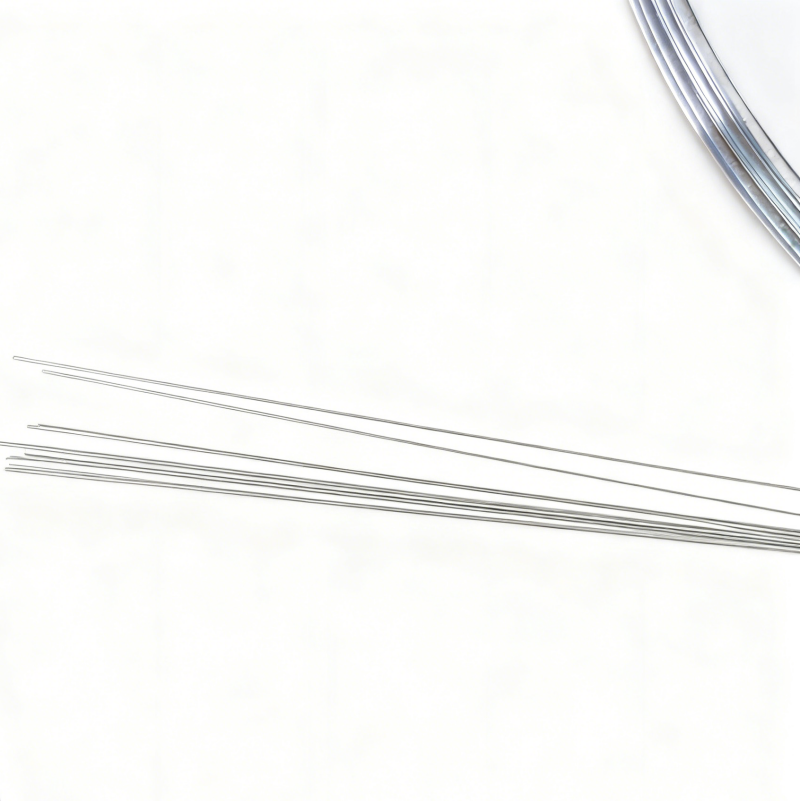
guidewire medical device
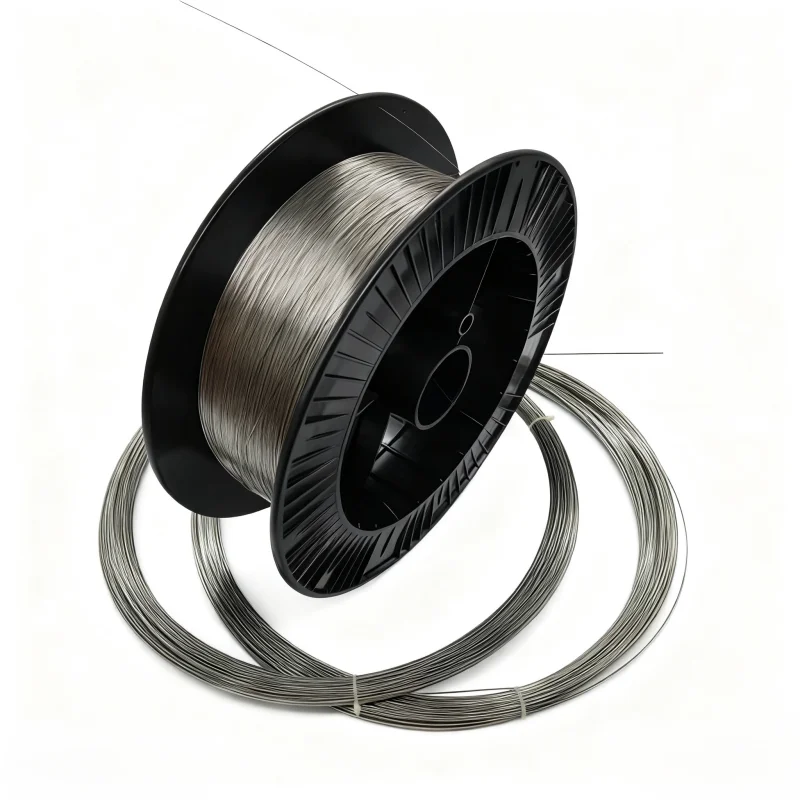
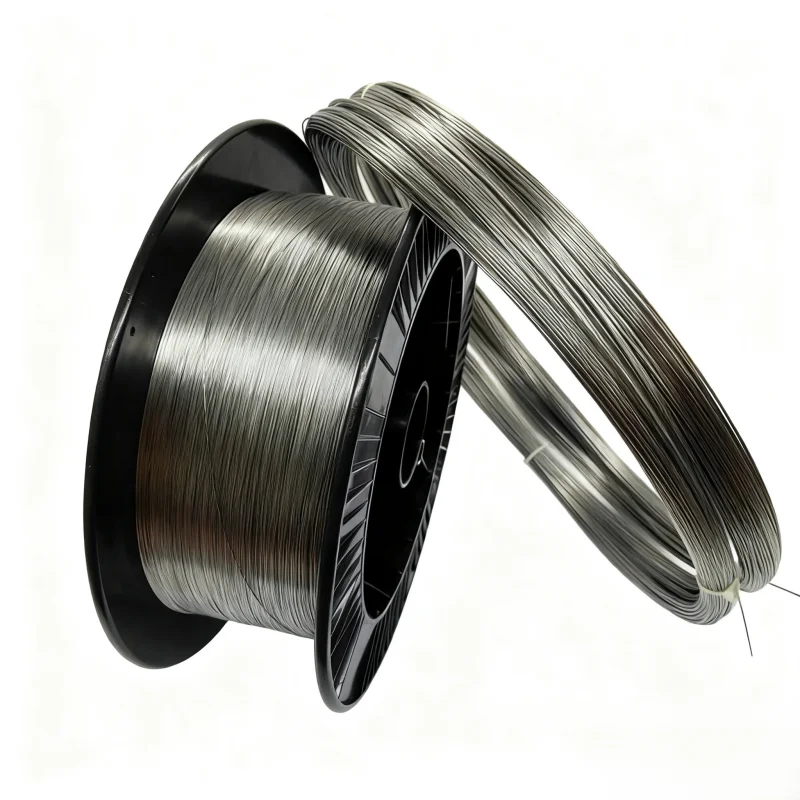
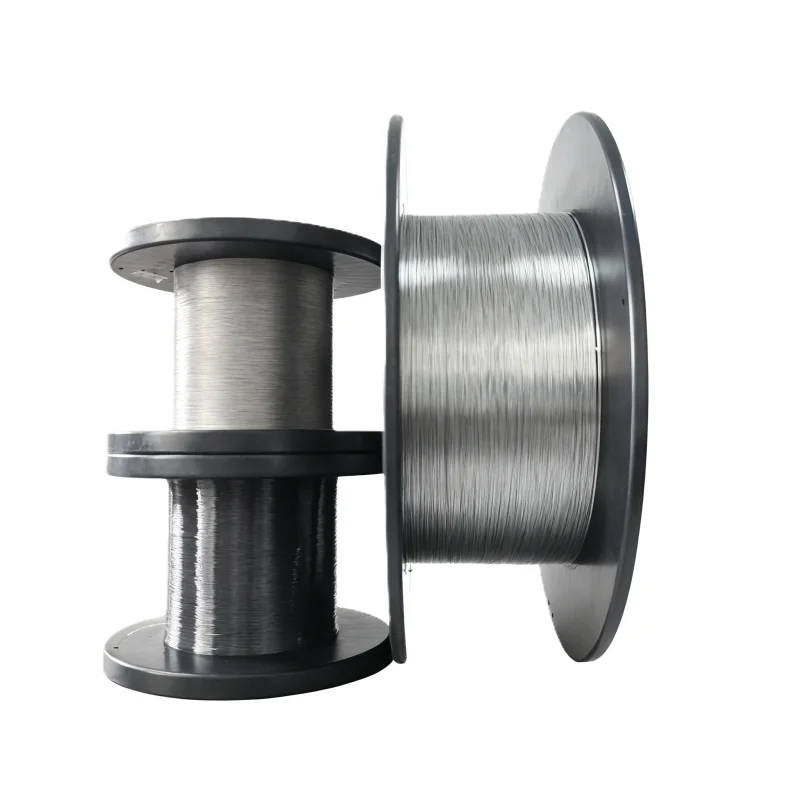
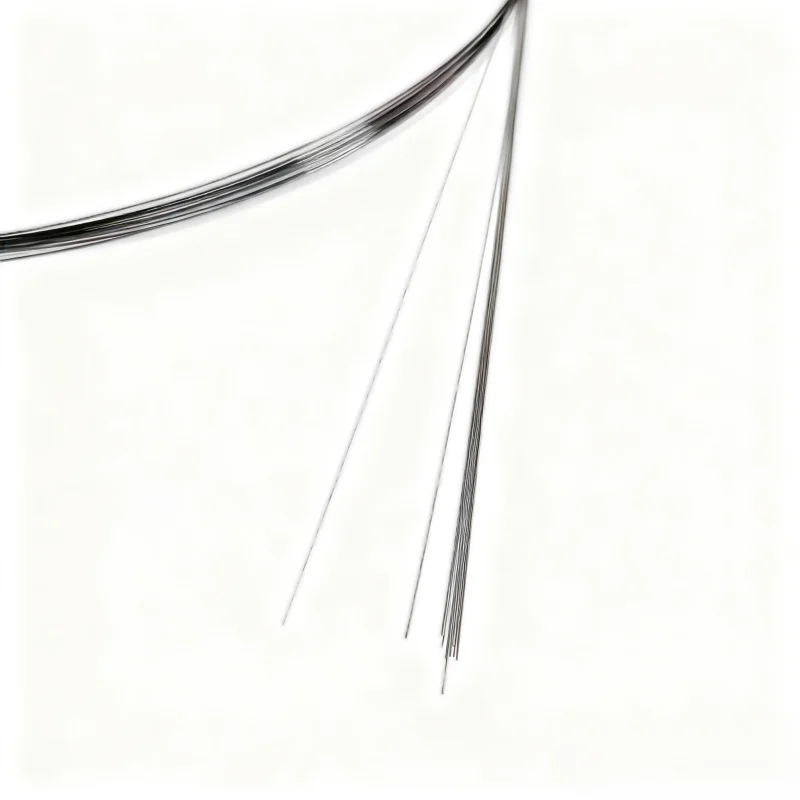
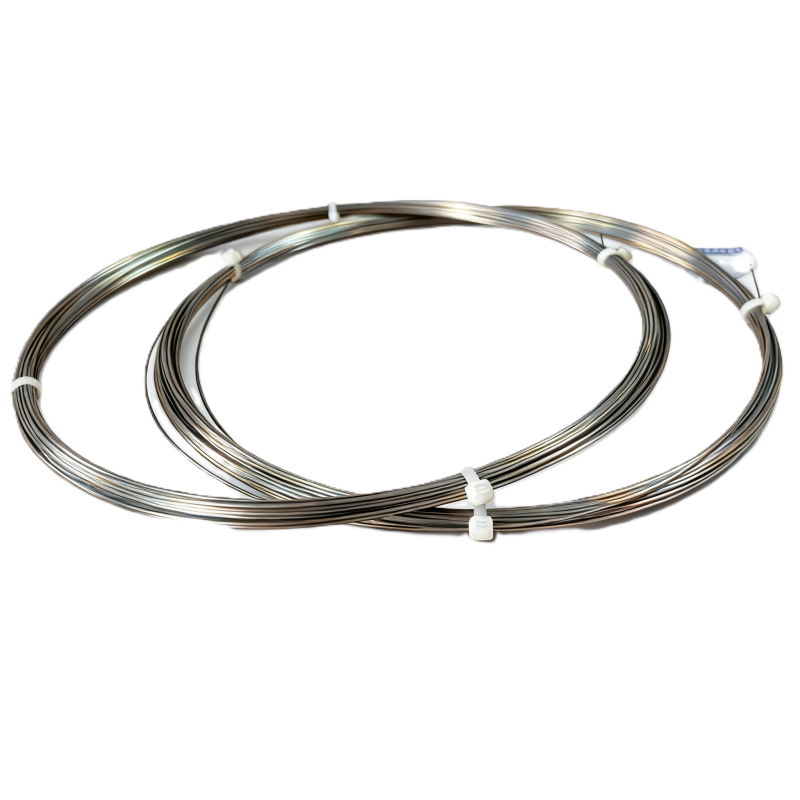
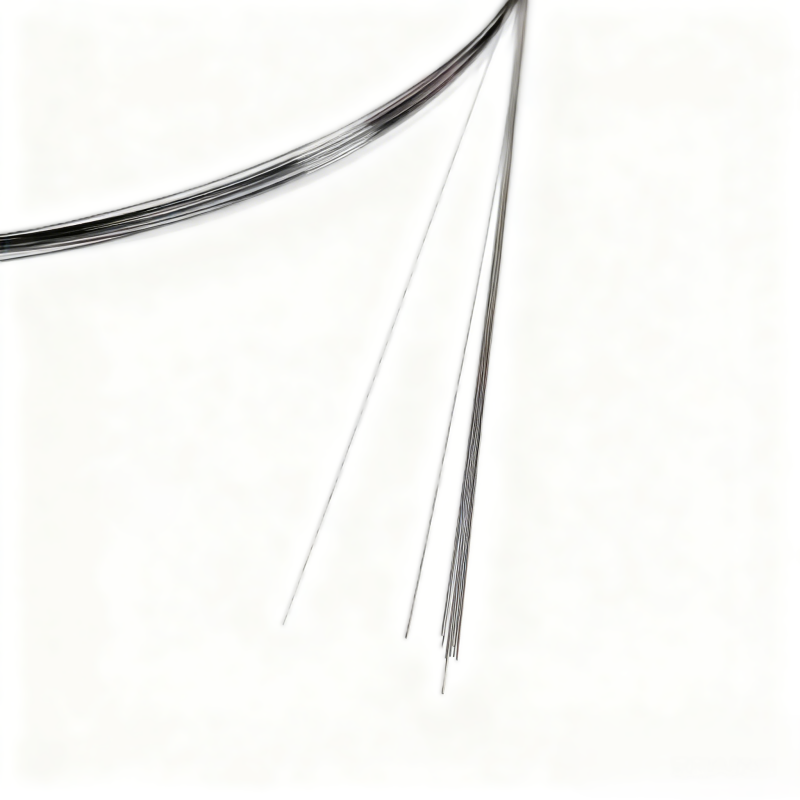
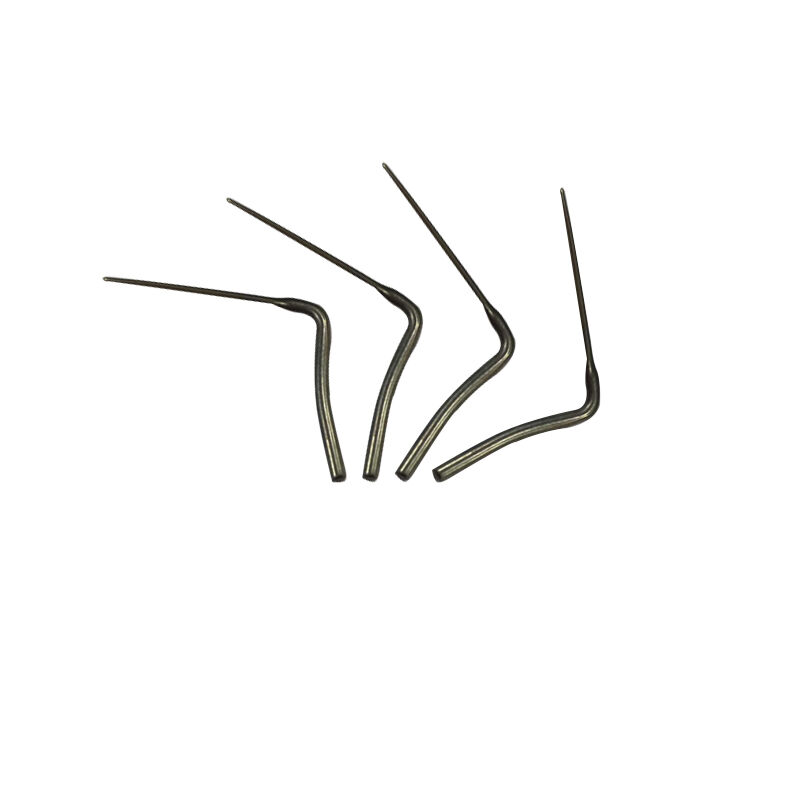
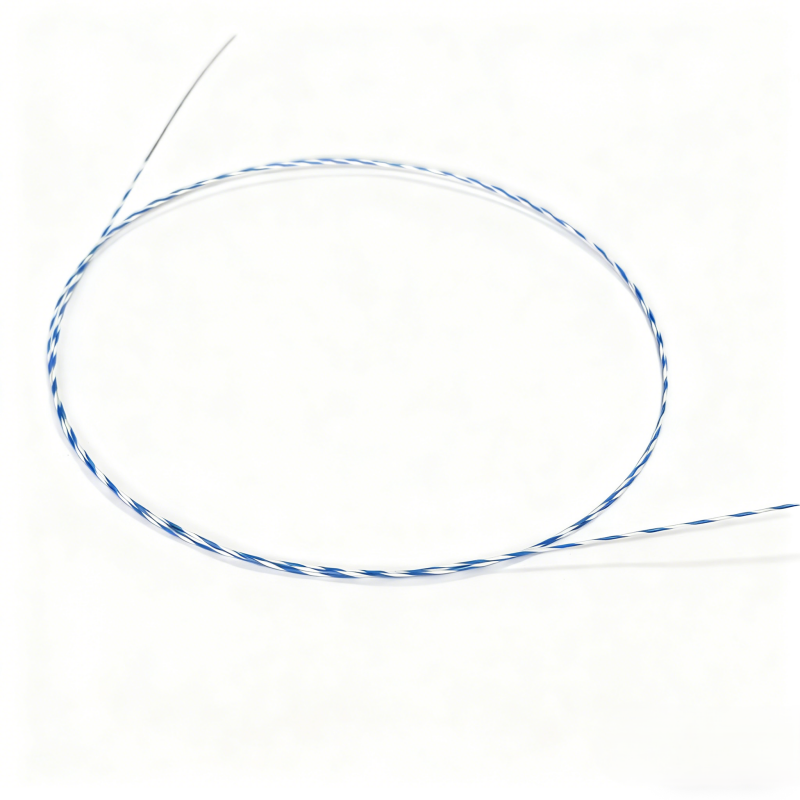
A guidewire medical device serves as an essential navigation tool in modern minimally invasive procedures, acting as a pathfinder that allows physicians to access targeted areas within the body's vascular system and other anatomical structures. This slender, flexible wire typically measures between 0.014 to 0.038 inches in diameter and varies in length from 180 to 300 centimeters, depending on the specific clinical application. The guidewire medical device functions as the foundation for interventional procedures, enabling doctors to safely guide catheters, balloons, and stents through complex pathways within blood vessels, bile ducts, urinary tracts, and other tubular body structures. The main functions of this innovative tool include providing a stable pathway for catheter insertion, maintaining access to treatment sites, and facilitating the exchange of various interventional instruments during procedures. Technologically, the guidewire medical device incorporates advanced materials such as stainless steel cores, nitinol alloys, and specialized polymer coatings that enhance performance characteristics. The tip design varies from straight to angled or J-shaped configurations, each serving specific navigational purposes. Many modern versions feature hydrophilic coatings that reduce friction when wetted, allowing smoother passage through vessels and reducing trauma to delicate tissue structures. Some advanced models integrate torque mechanisms that transmit rotational force from the proximal end to the distal tip with minimal loss, giving physicians precise control during complex navigation. Applications span multiple medical specialties including cardiology for coronary interventions, radiology for diagnostic and therapeutic procedures, vascular surgery for peripheral artery treatments, gastroenterology for biliary access, and urology for kidney stone management. The guidewire medical device has revolutionized patient care by enabling procedures that previously required open surgery to be performed through small puncture sites, significantly reducing recovery times, minimizing complications, and improving overall patient outcomes across diverse medical conditions.

 EN
EN