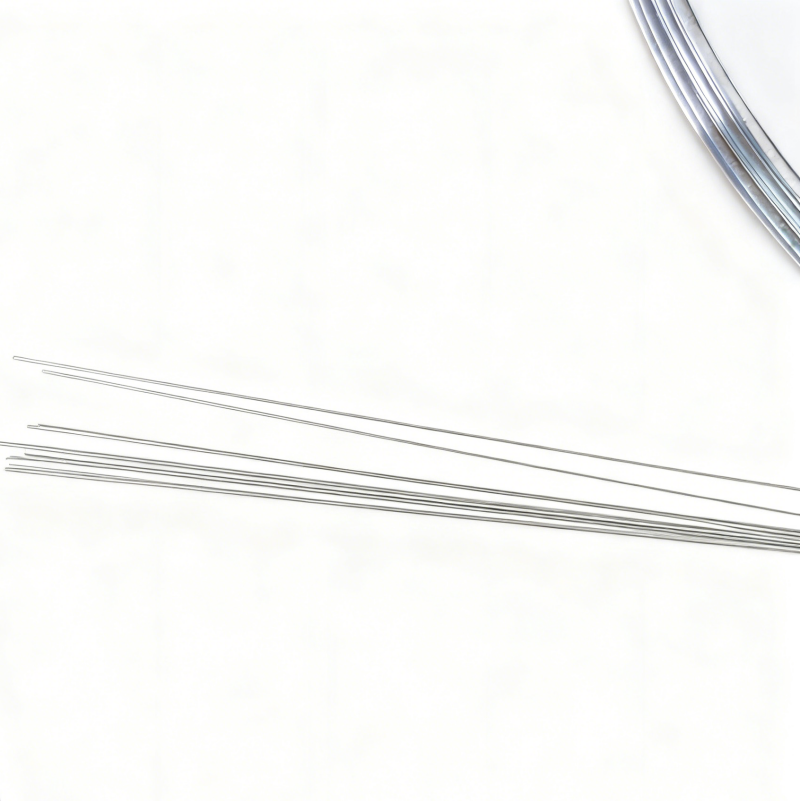
Sensor Guidewire: Real-Time Pressure Measurement for Precise Vascular Intervention

Get a Free Quote

Our representative will contact you soon.
Email
Name
Company Name
Message
0/1000

sensor guidewire

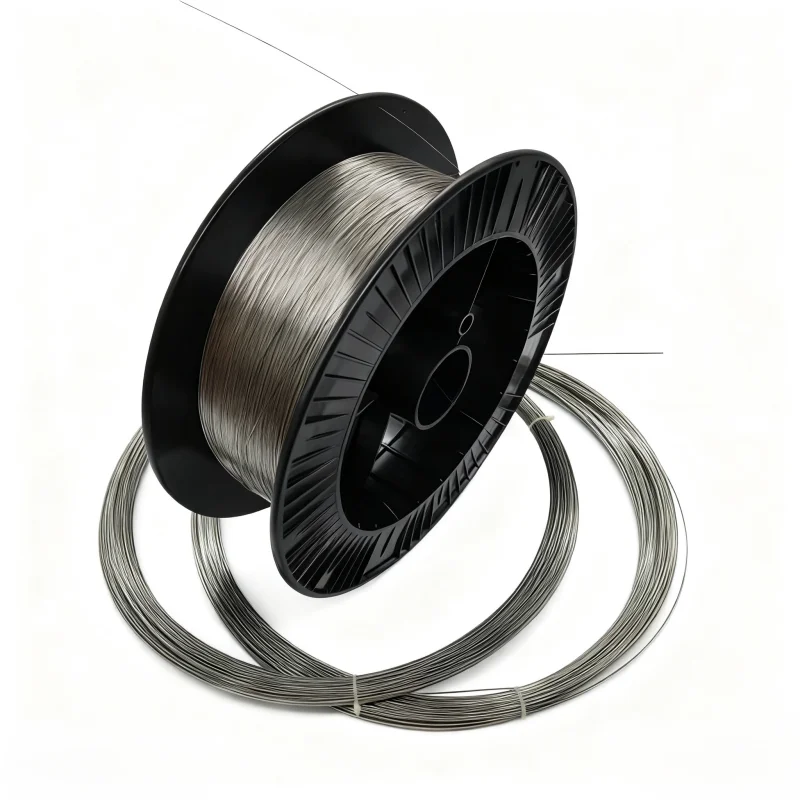
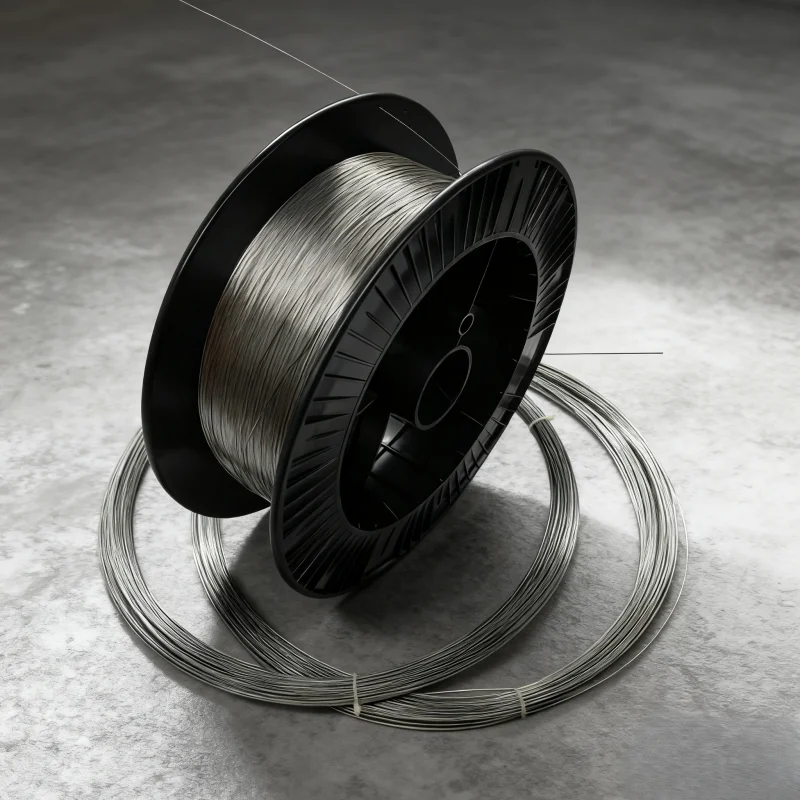
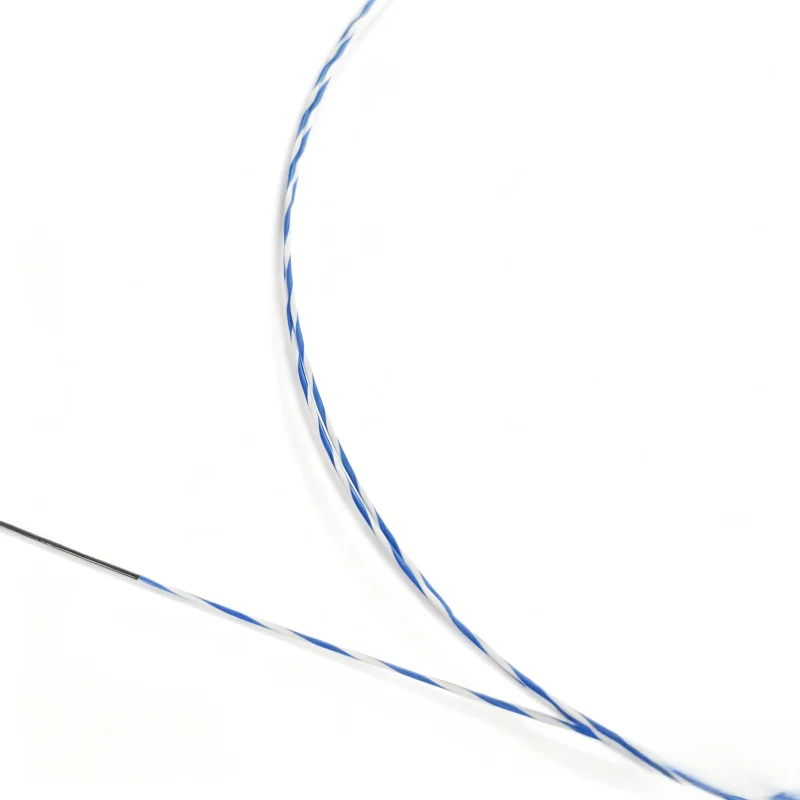
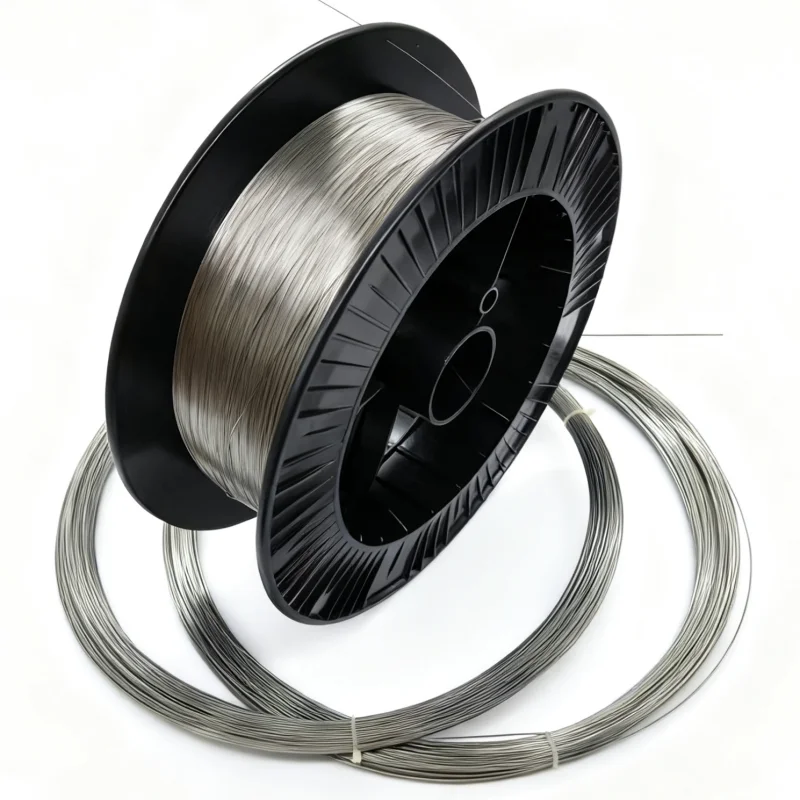
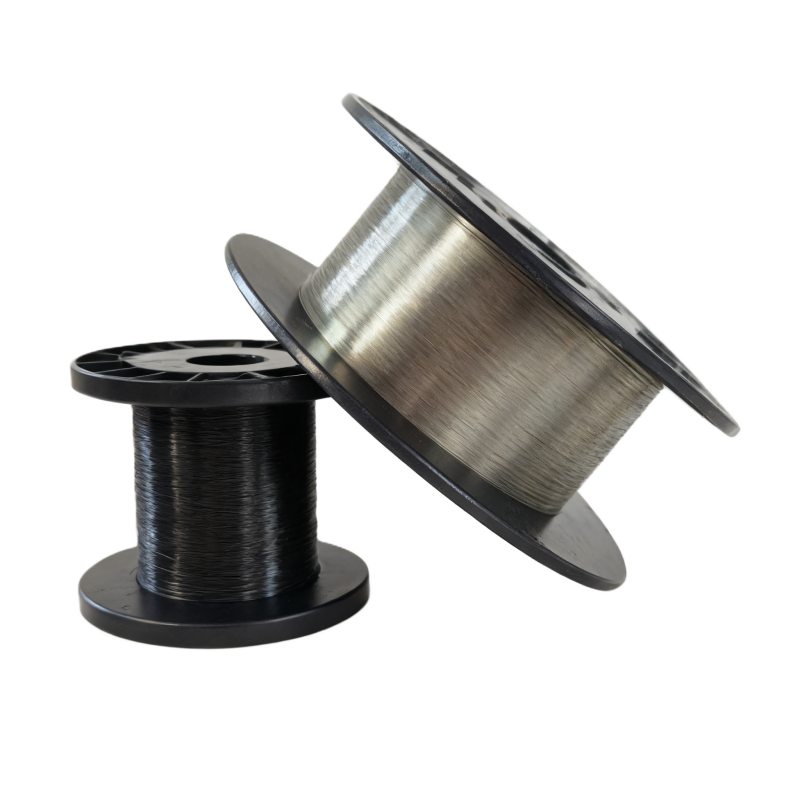
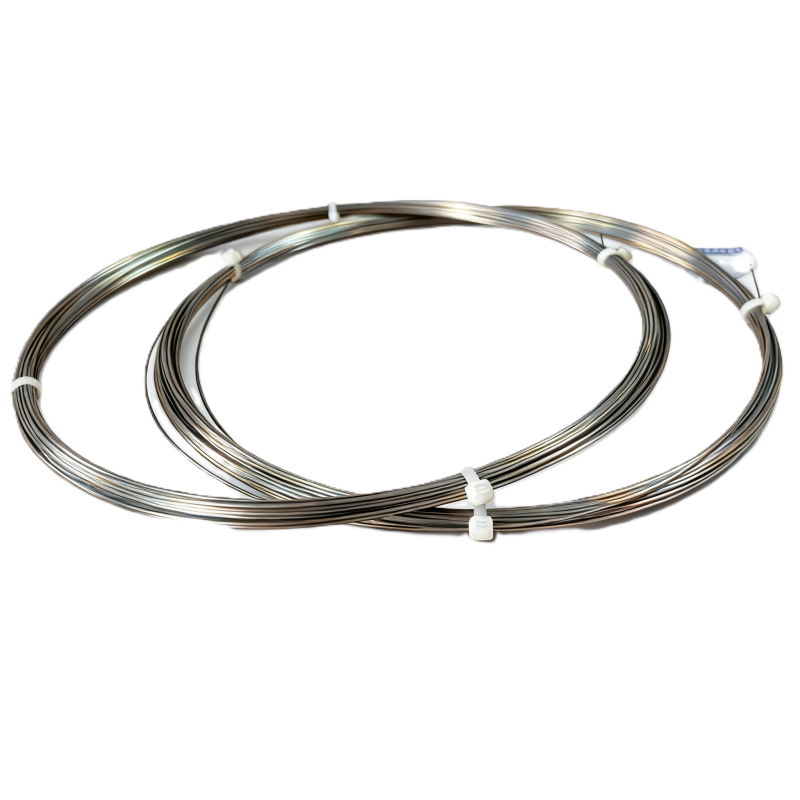
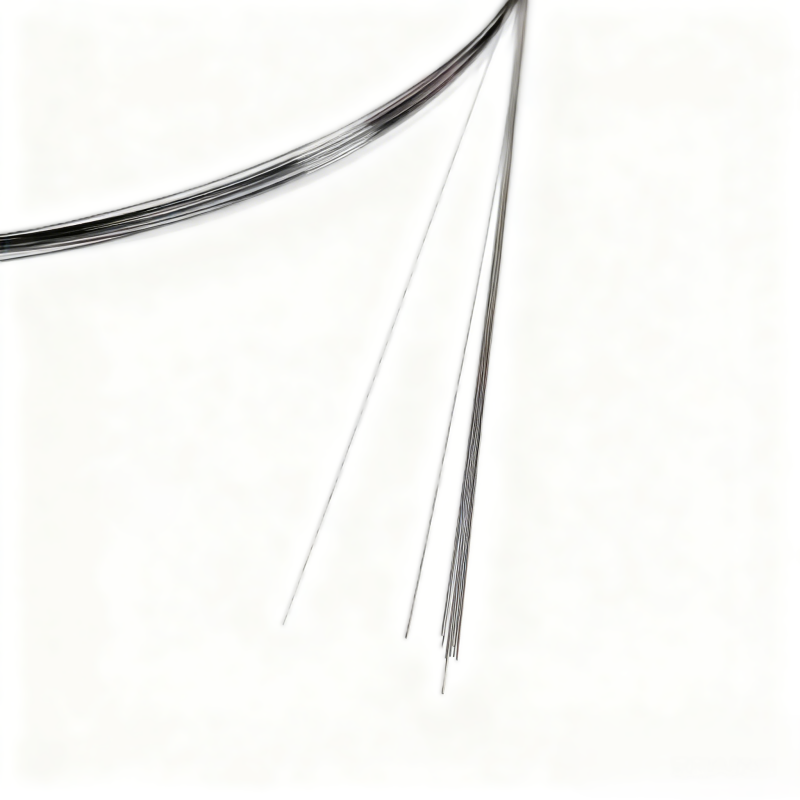
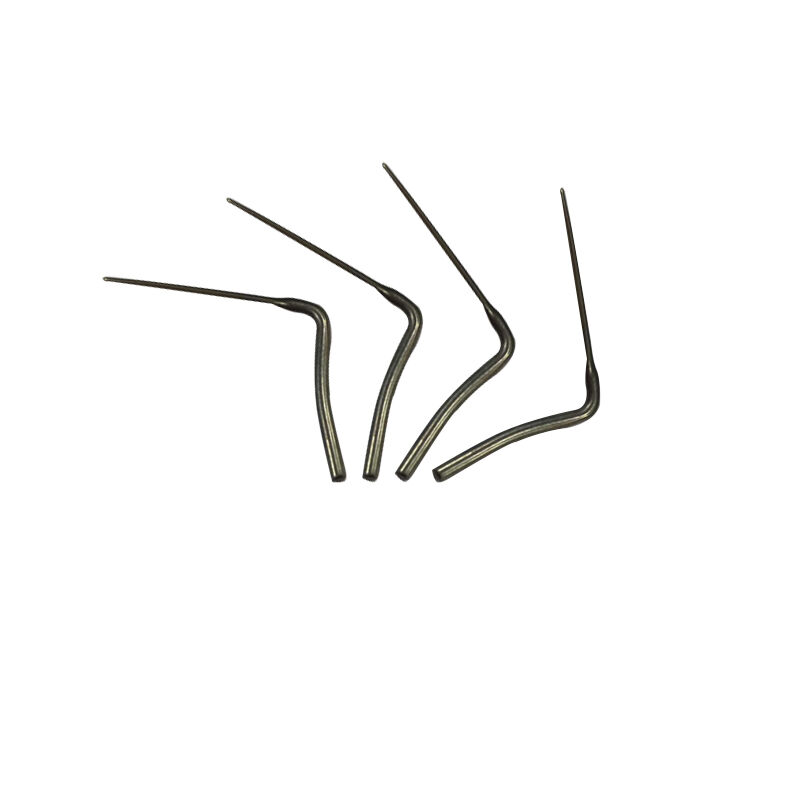
The sensor guidewire represents a significant advancement in minimally invasive medical technology, combining the mechanical function of a traditional guidewire with integrated sensing capabilities that deliver real-time physiological data directly from within the vascular system. Designed to navigate complex arterial and venous pathways, the sensor guidewire serves as both a navigation tool and a diagnostic instrument, giving clinicians a dual advantage during interventional procedures. At its core, the sensor guidewire is engineered to measure critical hemodynamic parameters such as fractional flow reserve (FFR), instantaneous wave-free ratio (iFR), and intravascular pressure gradients. These measurements allow physicians to make precise, evidence-based decisions about whether a coronary lesion requires intervention, reducing unnecessary stenting and improving patient outcomes. The wire itself is constructed from high-grade nitinol or stainless steel alloys, offering exceptional flexibility, torque response, and pushability to access even the most challenging anatomical locations. The distal tip houses a miniaturized pressure or optical sensor, depending on the platform, which transmits continuous data through a dedicated console or wireless interface. Technological features of the sensor guidewire include ultra-low profile sensor design, high-fidelity signal transmission, biocompatible coatings that reduce friction and thrombogenicity, and compatibility with standard interventional equipment including 5F and 6F guide catheters. Many modern sensor guidewires also incorporate temperature sensing and flow velocity measurement, expanding their diagnostic utility beyond pressure assessment alone. In clinical applications, the sensor guidewire is widely used in coronary artery disease evaluation, peripheral vascular interventions, renal artery stenosis assessment, and structural heart procedures. Its ability to provide lesion-specific functional data transforms the catheterization laboratory into a more precise diagnostic environment. By integrating sensing technology directly into the guidewire platform, manufacturers have eliminated the need for separate diagnostic catheters, streamlining workflow and reducing procedural complexity. The sensor guidewire is now considered an essential tool in the modern interventional suite, supporting better clinical decisions and contributing to improved long-term patient care.


Popular Products

The sensor guidewire gives doctors and medical teams a clear, practical edge during heart and vascular procedures. Instead of relying on visual estimates or separate diagnostic tools, clinicians get accurate, real-time data right at the point of care. This changes how decisions get made and directly benefits patients in several important ways. First, the sensor guidewire removes guesswork from the equation. When a doctor looks at a narrowed artery on an imaging screen, it can be difficult to judge whether that narrowing is actually restricting blood flow enough to cause problems. The sensor guidewire measures pressure on both sides of the blockage and calculates whether the restriction is functionally significant. This means patients only receive stents or other interventions when they truly need them, avoiding unnecessary procedures that carry their own risks and costs. Second, using a sensor guidewire saves time in the procedure room. Because the wire performs both navigation and measurement simultaneously, the care team does not need to swap out tools or introduce additional catheters to gather diagnostic data. The workflow becomes smoother, the procedure runs faster, and the patient spends less time on the table. Shorter procedure times reduce exposure to contrast dye, radiation, and anesthesia, all of which matter for patient safety and recovery. Third, the sensor guidewire supports better long-term outcomes. Studies consistently show that FFR-guided and iFR-guided interventions lead to fewer repeat procedures, lower rates of major adverse cardiac events, and better quality of life for patients compared to procedures guided by visual assessment alone. When clinicians use functional data to decide where and whether to intervene, the results hold up over time. Fourth, the sensor guidewire is straightforward to use within existing clinical setups. It connects to standard consoles and works with the guide catheters and equipment already present in most catheterization laboratories. Training requirements are manageable, and the learning curve does not disrupt department workflow. Teams can adopt the technology without overhauling their entire process. Fifth, the sensor guidewire reduces overall treatment costs when viewed across the full care pathway. Avoiding unnecessary stenting means lower implant costs, fewer follow-up visits, and reduced risk of complications that would require additional hospitalization. While the upfront cost of a sensor guidewire is higher than a standard wire, the downstream savings and improved patient outcomes make it a cost-effective choice for hospitals and health systems focused on value-based care. Sixth, patients benefit from greater confidence in their treatment plan. When a physician can show a patient objective pressure data confirming that a lesion does or does not need treatment, it builds trust and supports informed consent. Patients feel more involved in their care and better understand why a particular course of action was chosen. The sensor guidewire, in short, makes interventional cardiology and vascular medicine more precise, more efficient, and more patient-centered. It is a practical tool that delivers measurable value at every stage of the care process, from initial assessment through long-term follow-up.

Tips And Tricks

Why is high-stability Nitinol the first choice for equipment in extreme conditions?

12

May

Why is high-stability Nitinol the first choice for equipment in extreme conditions?

When equipment must perform reliably under mechanical stress, thermal cycling, and repeated deformation, material selection becomes a critical engineering decision. Nitinol, the nickel-titanium shape memory alloy, has earned a dominant position in de...
View More
Why do full-chain manufacturers provide a more stable supply of SMA wire?

14

May

Why do full-chain manufacturers provide a more stable supply of SMA wire?

In industrial and medical procurement, supply chain reliability is not a luxury — it is a fundamental requirement. When sourcing SMA wire, the type of manufacturer you partner with has a direct and measurable impact on delivery consistency, material ...
View More
How to ensure dimensional tolerances for precision Nitinol metal parts?

18

May

How to ensure dimensional tolerances for precision Nitinol metal parts?

Achieving tight dimensional tolerances in Nitinol metal components is one of the most demanding challenges in precision manufacturing. Unlike conventional metals, Nitinol — a nickel-titanium shape memory alloy — exhibits superelastic recovery and pha...
View More
Why do full-process manufacturers provide higher performance Nitinol SMA?

20

May

Why do full-process manufacturers provide higher performance Nitinol SMA?

When engineers and procurement specialists evaluate materials for high-precision medical devices, aerospace components, or advanced actuator systems, the source of the material matters as much as the material itself. Nitinol SMA — the nickel-titanium...
View More

Get a Free Quote

Our representative will contact you soon.
Email
Name
Company Name
Message
0/1000

sensor guidewire

Real-Time Pressure Measurement for Smarter Clinical Decisions

Real-Time Pressure Measurement for Smarter Clinical Decisions

One of the most important capabilities of the sensor guidewire is its ability to deliver continuous, real-time intravascular pressure measurements during a live procedure. This feature fundamentally changes how interventional cardiologists and vascular specialists evaluate lesions and decide on treatment strategies. Traditional angiography provides a visual picture of the artery, but images alone cannot reliably tell a clinician whether a narrowing is actually limiting blood flow to the heart muscle or downstream tissue. A lesion that looks severe on imaging may have minimal functional impact, while a moderate-looking stenosis may be causing significant ischemia. The sensor guidewire resolves this uncertainty by placing a precision pressure sensor directly at the site of interest, measuring the pressure drop across a lesion in real time. The data generated by the sensor guidewire feeds directly into established physiological indices such as fractional flow reserve and instantaneous wave-free ratio. FFR compares the pressure distal to a stenosis with the aortic pressure during maximum hyperemia, producing a ratio that tells the clinician exactly how much the lesion is limiting flow. An FFR value above 0.80 generally indicates that the lesion is not flow-limiting and can be managed medically, while a value at or below 0.80 suggests that revascularization will benefit the patient. iFR performs a similar assessment without the need for adenosine administration, making the process faster and more comfortable for the patient. The sensor guidewire makes both measurements accessible within a single, familiar tool. Beyond the immediate procedural benefit, real-time pressure data supports post-intervention assessment as well. After a stent is placed, the sensor guidewire can be used to confirm that the pressure gradient has been adequately resolved, giving the operator confidence that the result is optimal before the patient leaves the table. This level of intra-procedural feedback was not possible with conventional guidewires, and it represents a meaningful step forward in procedural quality assurance. For hospitals and catheterization laboratories focused on delivering evidence-based care, the real-time measurement capability of the sensor guidewire is not a luxury but a clinical necessity. It aligns with international guidelines that recommend physiological assessment of intermediate lesions and supports the kind of precise, individualized decision-making that leads to better patient outcomes and fewer unnecessary interventions.
Seamless Integration with Existing Interventional Equipment

Seamless Integration with Existing Interventional Equipment

A major practical advantage of the sensor guidewire is how easily it fits into the workflows and equipment ecosystems already established in most catheterization laboratories and interventional suites. Adopting new medical technology often comes with significant friction, including the need for new capital equipment, staff retraining, and workflow redesign. The sensor guidewire is specifically engineered to minimize these barriers, making it accessible to a wide range of clinical environments without requiring a complete overhaul of existing infrastructure. The sensor guidewire is designed to be compatible with standard 5F and 6F guide catheters, which are already in routine use across virtually all interventional cardiology and peripheral vascular programs. Its 0.014-inch diameter matches the standard coronary guidewire profile, meaning it can be introduced and manipulated using the same techniques and tools that operators already know. There is no need for specialized delivery systems or proprietary access equipment. The wire connects to a dedicated console that displays pressure waveforms and calculated physiological indices in real time, and many platforms now offer wireless or Bluetooth-enabled connectivity that reduces cable clutter and simplifies the sterile field setup. Modern sensor guidewire platforms are also designed with intuitive user interfaces that present data clearly and require minimal interaction during the procedure. Operators can focus on wire manipulation and lesion assessment without being distracted by complex software navigation. Setup times are short, and the transition from a standard guidewire to a sensor guidewire within a case is straightforward. From a training perspective, most interventional operators can become proficient with the sensor guidewire after a small number of supervised cases. Manufacturers typically provide structured training programs, simulation resources, and on-site clinical support to accelerate adoption. Catheterization laboratory staff, including nurses and technologists, also benefit from clear protocols and support materials that help the entire team work efficiently with the new tool. For hospital administrators and procurement teams, the compatibility of the sensor guidewire with existing infrastructure means that the total cost of adoption is lower than it might initially appear. There is no need to invest in new imaging platforms, catheter storage systems, or major facility modifications. The sensor guidewire slots into the existing workflow and begins delivering value from the first case, making it a practical and financially sensible addition to any interventional program committed to physiologically guided care.
Expanding Diagnostic Utility Across Multiple Vascular Territories

Expanding Diagnostic Utility Across Multiple Vascular Territories

While the sensor guidewire is most widely recognized for its role in coronary artery disease assessment, its diagnostic utility extends well beyond the coronary circulation. The same pressure-sensing technology that helps cardiologists evaluate coronary stenoses is equally valuable in peripheral vascular interventions, renal artery assessments, and a growing range of structural and complex vascular procedures. This versatility makes the sensor guidewire a high-value tool that can be deployed across multiple specialties and procedural settings within a single institution. In peripheral vascular medicine, the sensor guidewire helps clinicians assess the hemodynamic significance of stenoses in the iliac, femoral, popliteal, and tibial arteries. Peripheral artery disease often presents with diffuse, multi-level disease where visual assessment of individual lesions is particularly unreliable. By using the sensor guidewire to measure pressure gradients across specific segments, the interventional team can identify which lesions are truly flow-limiting and prioritize treatment accordingly. This targeted approach reduces the risk of over-treating benign lesions while ensuring that clinically significant disease receives appropriate intervention. In renal artery stenosis, the sensor guidewire provides objective data to support the decision of whether revascularization is likely to improve blood pressure control or preserve renal function. This is a clinical area where the evidence for intervention has historically been mixed, and having precise hemodynamic data helps clinicians select the patients most likely to benefit. The sensor guidewire also finds application in the assessment of bypass graft function, where pressure measurements can identify graft stenoses that may not be apparent on angiography alone. As structural heart procedures become more complex and more common, the sensor guidewire is increasingly being used to guide access and assess hemodynamic results in transcatheter valve interventions and septal defect closures. The ability to measure pressure across valves and within cardiac chambers adds a layer of functional assessment that complements imaging data and supports more confident procedural decision-making. The expanding range of applications for the sensor guidewire reflects the broader trend toward physiologically guided intervention across all vascular territories. As clinical evidence continues to accumulate and operator experience grows, the sensor guidewire is positioned to become a standard tool not just in the coronary catheterization laboratory but across the full spectrum of minimally invasive vascular and structural procedures.
Sensor Guidewire: Real-Time Pressure Measurement for Precise Vascular Intervention

Get a Free Quote

Our representative will contact you soon.
Email
Name
Company Name
Message
0/1000
Newsletter
Please Leave A Message With Us