Ball Tip Guidewire: Precision, Safety, and Versatility in Interventional Procedures

Get a Free Quote

Our representative will contact you soon.
Email
Name
Company Name
Message
0/1000

ball tip guidewire

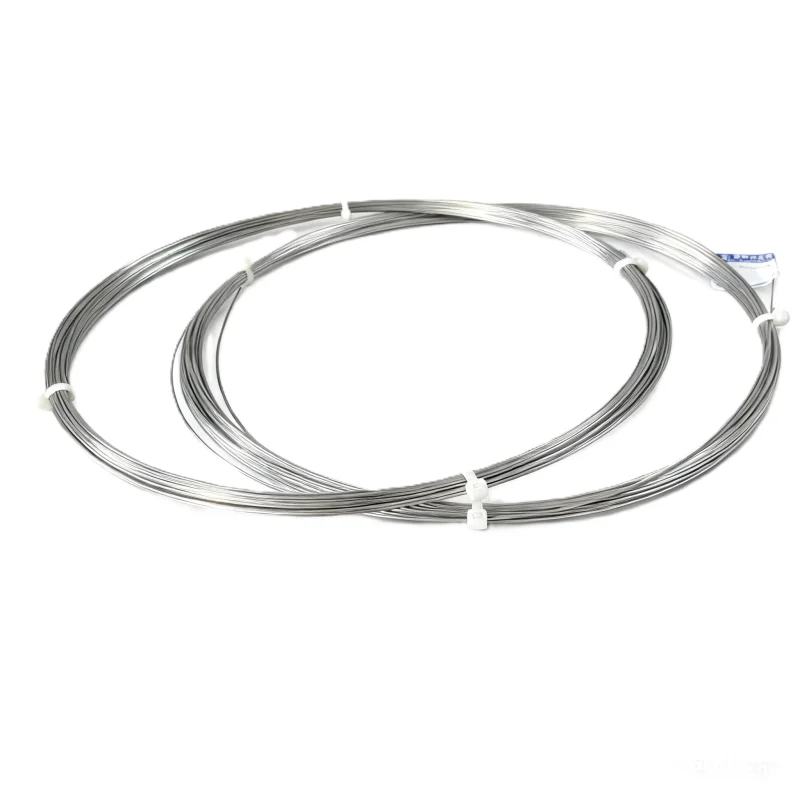
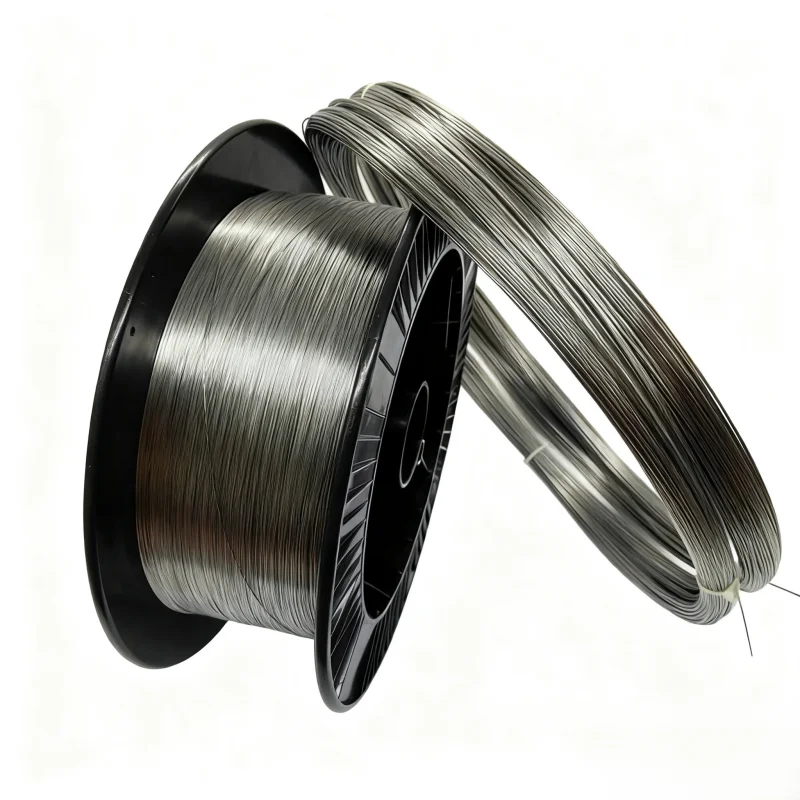
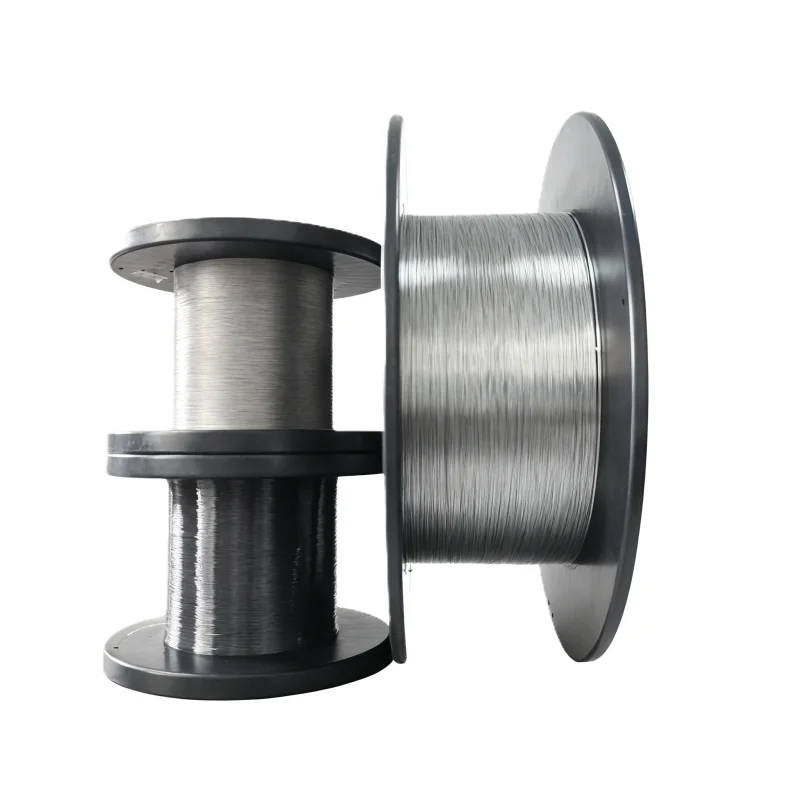
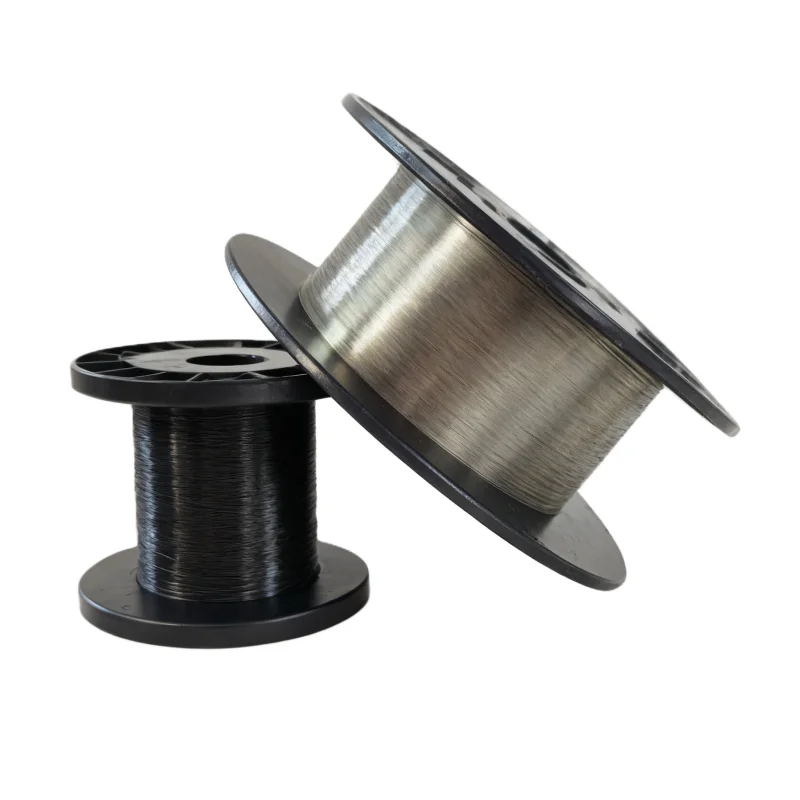
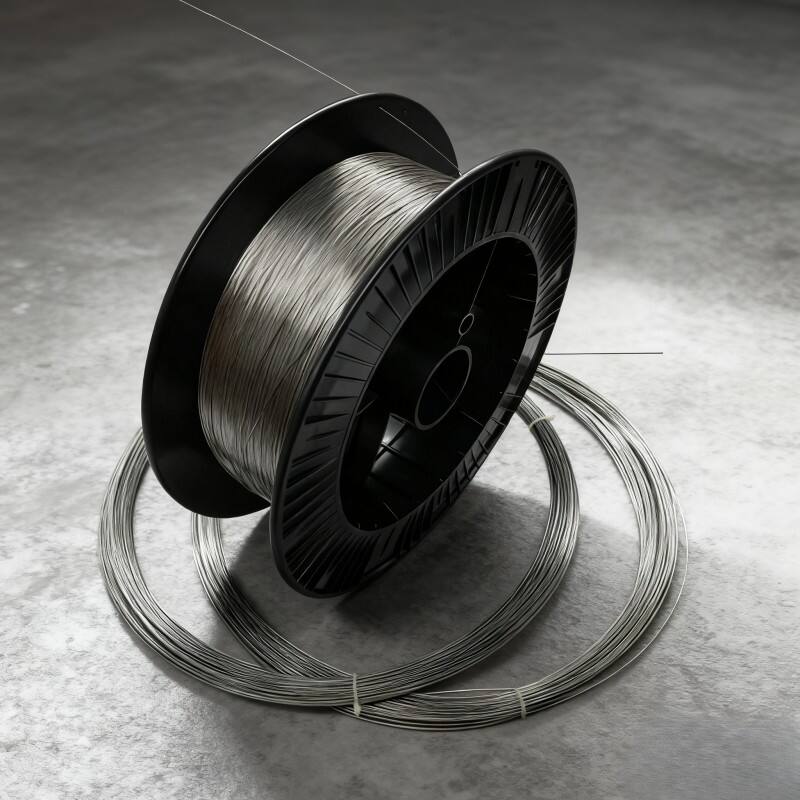
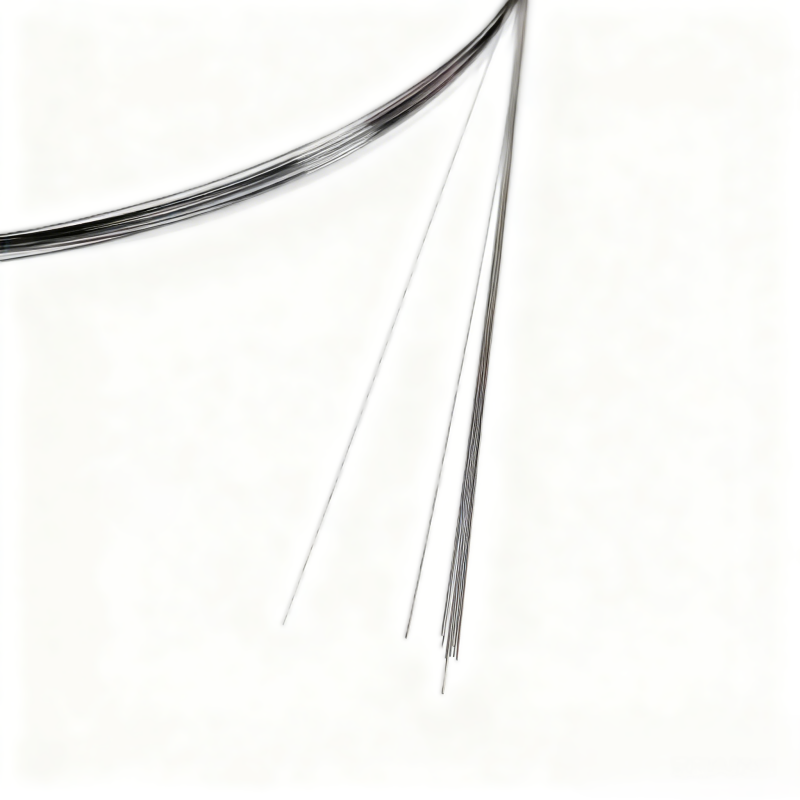
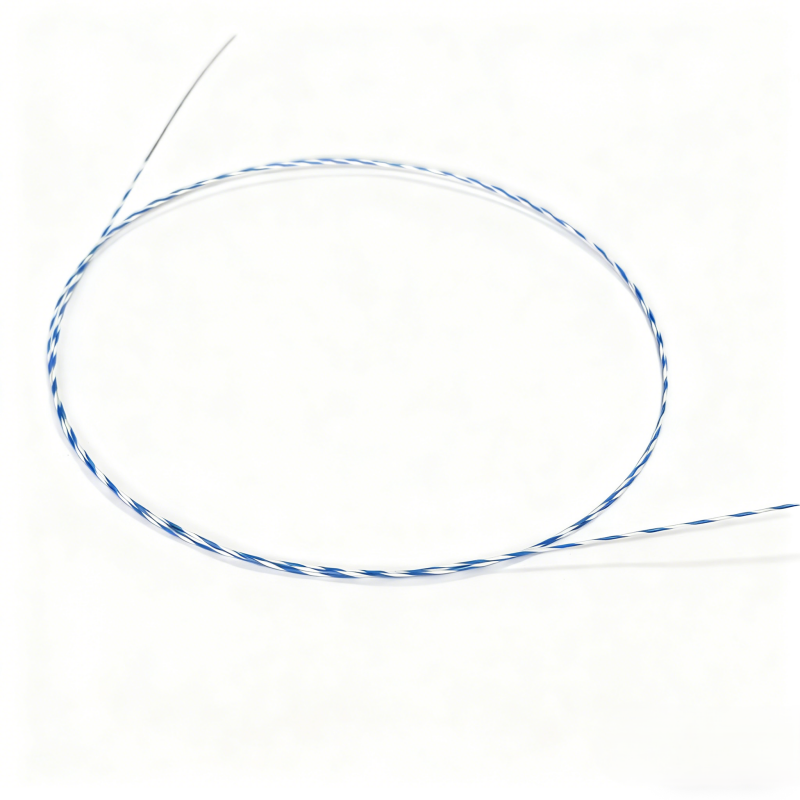
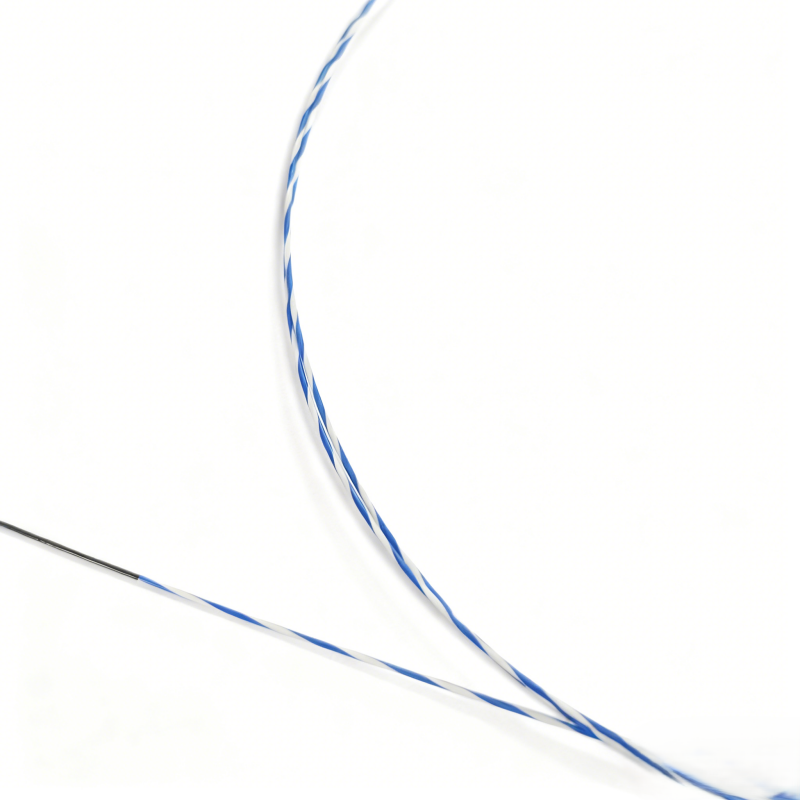
The ball tip guidewire is a specialized medical device designed to support safe and precise navigation through complex vascular and non-vascular anatomical pathways. At its core, this guidewire features a rounded, atraumatic ball-shaped distal tip that significantly reduces the risk of vessel perforation or tissue damage during catheter-based procedures. This design makes it an essential tool in interventional radiology, cardiology, and endovascular surgery, where navigating tortuous or delicate anatomy demands both control and safety. The ball tip guidewire is engineered to provide clinicians with reliable trackability, meaning it follows the natural curves of blood vessels and ducts without forcing or distorting the surrounding tissue. Its flexible yet responsive body allows operators to steer through tight bends and bifurcations with confidence. The core construction typically combines a stainless steel or nitinol inner mandrel with a tightly wound outer coil, delivering a balance of pushability and flexibility that is critical in demanding clinical environments. From a technological standpoint, the ball tip guidewire incorporates advanced surface coatings, such as hydrophilic or PTFE layers, that dramatically reduce friction as the wire advances through the anatomy. These coatings allow smoother passage through narrow or calcified vessels, reducing procedural time and patient discomfort. The radiopaque tip ensures clear visibility under fluoroscopy, giving physicians real-time feedback on wire position throughout the procedure. Applications for the ball tip guidewire span a wide range of clinical scenarios. It is commonly used in peripheral vascular interventions, biliary and urological procedures, coronary access, and complex catheter placements where standard guidewires may pose a higher risk of injury. Its versatility across multiple specialties makes it a go-to choice for interventionalists who prioritize patient safety without compromising procedural efficiency. Whether navigating a heavily diseased artery or accessing a delicate ductal system, the ball tip guidewire delivers consistent, dependable performance that clinicians and patients can rely on.

New Products

The ball tip guidewire offers a set of practical, real-world benefits that make a genuine difference in how procedures go for both the physician and the patient. Here is a straightforward look at what sets this device apart and why it matters in everyday clinical use. First and most importantly, the rounded ball tip protects patients. Unlike standard guidewires with straight or angled tips that can catch on vessel walls or puncture fragile tissue, the ball tip is designed to glide past obstacles rather than dig into them. This means a lower chance of accidental perforation, dissection, or trauma during wire advancement. For patients, that translates directly into fewer complications, shorter recovery times, and a safer overall experience on the table. Second, the ball tip guidewire gives physicians better control in difficult anatomy. Tortuous vessels, tight angles, and heavily calcified pathways are common challenges in vascular and interventional work. The combination of a flexible distal segment and a responsive proximal shaft means the operator can feel what the wire is doing and make precise adjustments without losing forward progress. This tactile feedback is something experienced interventionalists genuinely value, especially when working in areas where a misstep carries real consequences. Third, the low-friction surface coating on the ball tip guidewire makes advancement noticeably smoother. Whether the coating is hydrophilic or PTFE-based, the result is the same: the wire moves through the anatomy with less resistance. This reduces the force needed to advance the wire, which in turn reduces the risk of inadvertent movement or vessel injury. It also shortens procedure time, which benefits both the patient under sedation and the clinical team managing a busy schedule. Fourth, the radiopaque tip gives real-time visual confirmation of wire position under fluoroscopy. There is no guessing about where the tip is sitting. The physician can see it clearly on the monitor and make informed decisions about advancement, rotation, or repositioning. This visibility is a practical safety feature that reduces the likelihood of misplacement and the need for corrective maneuvers. Fifth, the ball tip guidewire is compatible with a wide range of catheter systems and introducer sheaths, making it easy to integrate into existing procedural setups without requiring specialized equipment. This compatibility reduces preparation time and simplifies inventory management for catheterization labs and interventional suites. Sixth, the device performs consistently across multiple clinical applications. From peripheral artery disease interventions to biliary drainage procedures to urological access, the ball tip guidewire adapts to different anatomical environments without requiring the operator to switch tools mid-procedure. That kind of versatility reduces complexity and keeps the focus where it belongs: on the patient. Taken together, these advantages make the ball tip guidewire a practical, dependable choice for any interventional team that wants to reduce procedural risk, improve efficiency, and deliver better outcomes for their patients.

Practical Tips

Why do orthodontists prefer using orthodontic wire with shape memory?

15

May

Why do orthodontists prefer using orthodontic wire with shape memory?

In modern orthodontic practice, the materials used to move teeth are just as important as the clinical techniques applied. Among the many innovations that have transformed the field, orthodontic wire with shape memory stands out as one of the most cl...
View More
How to ensure dimensional tolerances for precision Nitinol metal parts?

18

May

How to ensure dimensional tolerances for precision Nitinol metal parts?

Achieving tight dimensional tolerances in Nitinol metal components is one of the most demanding challenges in precision manufacturing. Unlike conventional metals, Nitinol — a nickel-titanium shape memory alloy — exhibits superelastic recovery and pha...
View More
Why is Starspring's Nitinol metal at the forefront of the smart drive industry?

19

May

Why is Starspring's Nitinol metal at the forefront of the smart drive industry?

The smart drive industry is defined by its relentless demand for materials that can do more with less — components that respond intelligently to their environment, endure repeated mechanical cycles, and perform with precision in applications ranging ...
View More
How to utilize one-way and two-way memory in precision medical components?

21

May

How to utilize one-way and two-way memory in precision medical components?

In the development of precision medical components, material intelligence is no longer a concept reserved for science fiction. nitinol wire has fundamentally changed how engineers and medical device designers approach the challenge of building compon...
View More

Get a Free Quote

Our representative will contact you soon.
Email
Name
Company Name
Message
0/1000

ball tip guidewire

Atraumatic Ball Tip Design: Putting Patient Safety First

Atraumatic Ball Tip Design: Putting Patient Safety First

The defining feature of the ball tip guidewire is its rounded, atraumatic distal tip, and understanding why this design matters requires looking at what happens when a guidewire navigates through the human body. Blood vessels, bile ducts, and urinary tracts are not straight, smooth tubes. They curve, branch, narrow, and in many patients, they are stiffened by calcification or weakened by disease. Standard guidewires with pointed or angled tips can catch on these irregular surfaces, creating small tears, dissections, or perforations that complicate the procedure and put the patient at risk. The ball tip guidewire solves this problem by replacing the sharp or angled distal end with a smooth, spherical tip that deflects off vessel walls rather than penetrating them. When the wire encounters resistance, the ball tip rolls away from the obstruction instead of digging in. This behavior is not accidental. It is the result of deliberate engineering focused on reducing the mechanical stress that a guidewire places on delicate tissue during advancement and rotation. For clinicians, this means they can advance the ball tip guidewire through challenging anatomy with greater confidence. The fear of inadvertent perforation, which is a real concern in fragile or heavily diseased vessels, is substantially reduced. This allows the operator to focus on navigation strategy rather than constantly second-guessing whether the tip is about to cause damage. For patients, the benefit is direct and meaningful. Fewer vascular injuries mean fewer procedural complications, less post-procedural pain, reduced risk of bleeding, and faster recovery. In high-risk patient populations, such as elderly individuals with fragile vasculature or patients with advanced peripheral artery disease, the protective design of the ball tip guidewire can be the difference between a smooth procedure and a serious adverse event. The atraumatic tip also reduces the need for corrective interventions during the procedure itself. When a standard wire causes a small dissection or perforation, the clinical team must stop, assess, and often deploy additional devices to manage the injury. With the ball tip guidewire, these interruptions happen far less frequently, keeping the procedure on track and reducing overall time under fluoroscopy. This is a feature that delivers value at every level of the care pathway, from the patient on the table to the institution managing procedural outcomes and costs.
Advanced Surface Coating Technology: Smooth Advancement Through Complex Anatomy

Advanced Surface Coating Technology: Smooth Advancement Through Complex Anatomy

One of the most practically impactful features of the ball tip guidewire is its advanced surface coating, which transforms how the wire interacts with the anatomy it travels through. Friction is one of the primary challenges in guidewire-based procedures. As a wire advances through a vessel or duct, it must overcome the resistance created by contact between its outer surface and the surrounding tissue. In straight, healthy vessels, this friction is manageable. But in tortuous, calcified, or narrowed anatomy, friction accumulates along the length of the wire, making advancement difficult and increasing the risk of uncontrolled forward movement when resistance suddenly releases. The ball tip guidewire addresses this challenge through the application of hydrophilic or PTFE-based surface coatings that dramatically reduce the coefficient of friction between the wire and the tissue. Hydrophilic coatings work by absorbing water and creating a slippery, gel-like surface when activated by saline or blood. This lubricated surface allows the wire to glide through tight spaces with minimal resistance, reducing the force the operator needs to apply. PTFE coatings achieve a similar result through a different mechanism, providing a consistently low-friction surface that performs reliably across a range of anatomical environments. The practical benefits of this coating technology are significant. Procedures that would otherwise require multiple wire exchanges or prolonged manipulation can often be completed more efficiently with the ball tip guidewire. The reduced friction means the operator maintains better tactile feedback throughout the procedure, because the force they apply at the proximal end translates more accurately to movement at the distal tip. This one-to-one responsiveness is critical for precise navigation in complex anatomy. The coating also contributes to patient comfort and safety. Lower friction means less mechanical trauma to the vessel wall during wire advancement, reducing the risk of endothelial injury, spasm, or thrombosis. In procedures performed under conscious sedation, smoother wire advancement also means less patient discomfort and movement, which further supports procedural accuracy. For clinical teams, the surface coating technology of the ball tip guidewire reduces procedural complexity and supports faster, more predictable outcomes across a wide range of interventional applications.
Broad Clinical Versatility: One Guidewire Across Multiple Specialties

Broad Clinical Versatility: One Guidewire Across Multiple Specialties

The ball tip guidewire is not a single-use, single-specialty device. Its design and performance characteristics make it applicable across a remarkably wide range of clinical scenarios, and this versatility is one of its most compelling practical advantages for interventional teams. In peripheral vascular interventions, the ball tip guidewire is used to access and navigate diseased arteries in the legs, pelvis, and upper extremities. These vessels are often tortuous, calcified, and partially occluded, creating exactly the kind of challenging environment where the atraumatic tip and low-friction coating deliver the most value. The wire can be advanced through tight stenoses and around sharp bends without the risk of perforation that accompanies more aggressive wire designs. In biliary procedures, the ball tip guidewire provides safe access to the bile ducts for drainage, stenting, or stone removal. The biliary system is delicate and prone to injury, making the protective tip design especially important in this application. Operators can navigate the common bile duct and its branches with confidence, knowing the wire is designed to deflect rather than penetrate. In urological interventions, the ball tip guidewire supports access to the ureter and renal collecting system for procedures such as ureteral stenting, nephrostomy, and stone management. The smooth tip and low-friction coating allow the wire to pass through the ureter, which can be narrow and tortuous, without causing the mucosal injury that can lead to post-procedural complications. In cardiology, the ball tip guidewire is used for coronary access and support in cases where standard wires may pose a higher risk of vessel injury. Its trackability and safety profile make it a useful option in complex coronary anatomy. This cross-specialty applicability means that catheterization labs and interventional suites can stock the ball tip guidewire as a reliable, multi-purpose tool rather than maintaining separate inventories for each clinical application. It simplifies procurement, reduces storage requirements, and ensures that the clinical team always has a dependable, safe wire option available regardless of the procedure type. For institutions focused on efficiency and standardization, the broad versatility of the ball tip guidewire represents genuine operational value alongside its direct clinical benefits.
Ball Tip Guidewire: Precision, Safety, and Versatility in Interventional Procedures

Get a Free Quote

Our representative will contact you soon.
Email
Name
Company Name
Message
0/1000
Newsletter
Please Leave A Message With Us