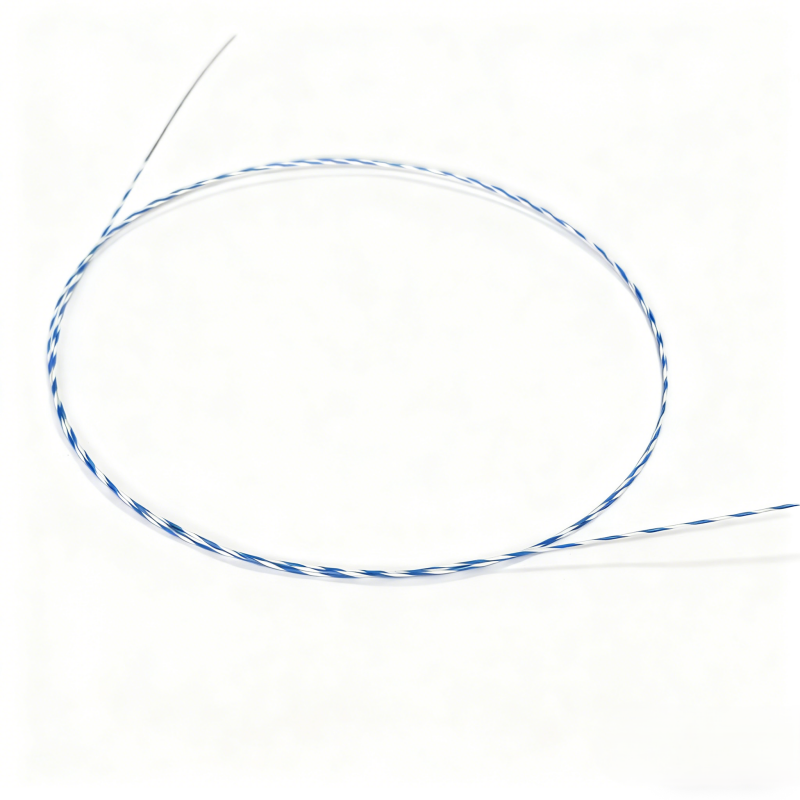
Complete Guide to Guide Wire Uses: Applications, Benefits and Advanced Features

Get a Free Quote

Our representative will contact you soon.
Email
Name
Company Name
Message
0/1000

guide wire uses

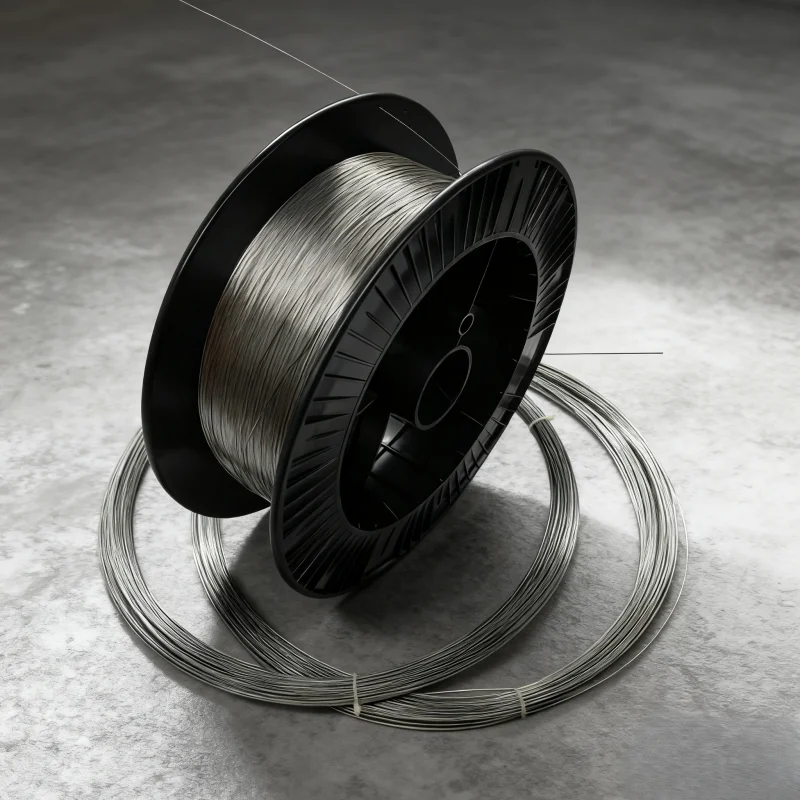
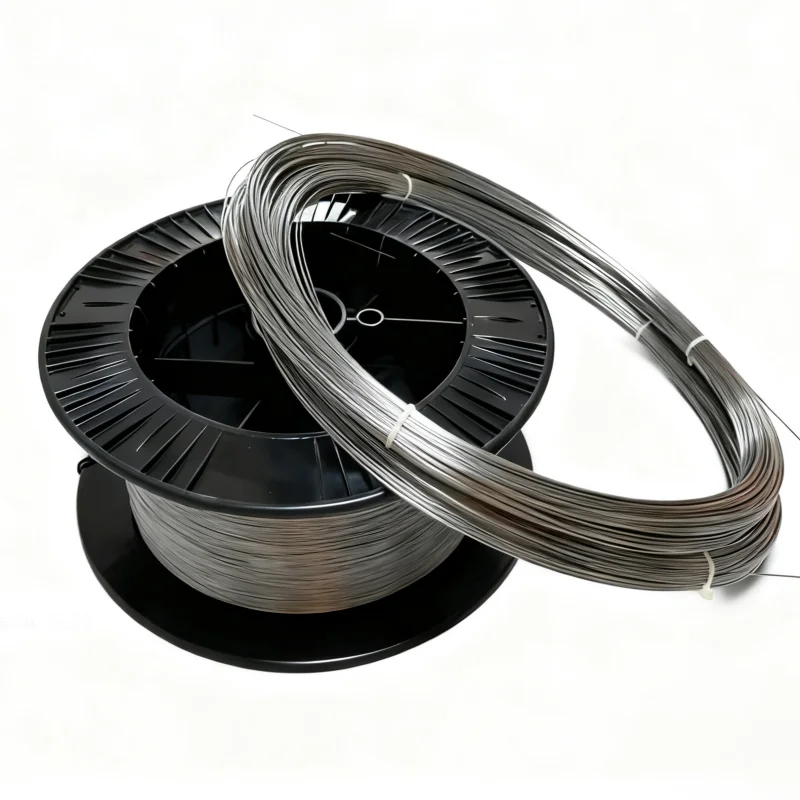
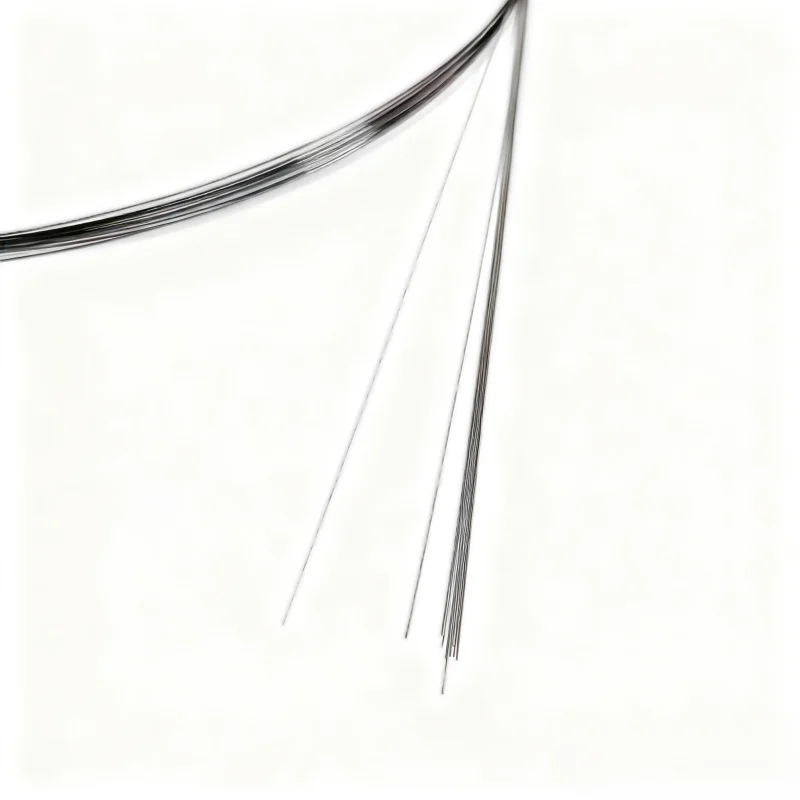
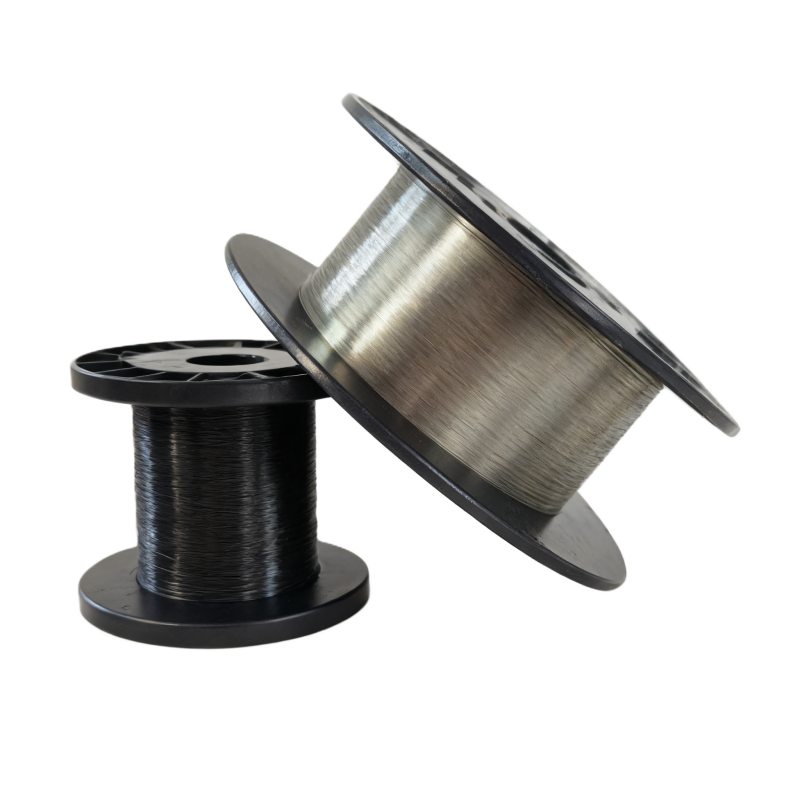
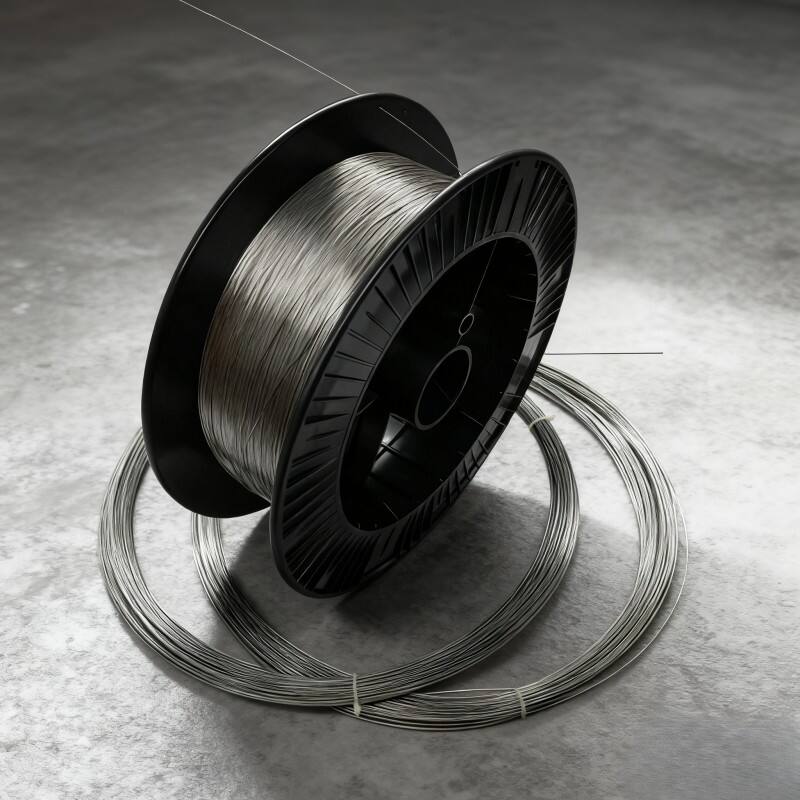
Guide wire uses span across multiple industries and medical applications, serving as essential tools that enable precise navigation through complex pathways and anatomical structures. A guide wire is a thin, flexible wire designed to lead and position catheters, surgical instruments, or other medical devices through blood vessels, ducts, or other channels within the body. The primary function of guide wire uses centers on providing a stable pathway that allows physicians and technicians to perform minimally invasive procedures with enhanced accuracy and safety. These specialized wires feature advanced construction techniques that combine strength with flexibility, enabling them to navigate tortuous anatomy while maintaining structural integrity. The technological features of guide wire uses include varied tip configurations, ranging from soft and flexible designs for delicate vessels to stiffer options for challenging anatomical passages. Modern guide wires incorporate hydrophilic coatings that reduce friction during insertion, radiopaque markers for enhanced visibility under fluoroscopy, and graduated stiffness profiles that balance trackability with support. The core materials typically consist of stainless steel or nitinol, selected for their superior mechanical properties and biocompatibility. Applications of guide wire uses extend throughout interventional cardiology, radiology, urology, gastroenterology, and vascular surgery. In cardiac procedures, these devices facilitate the delivery of stents, balloons, and diagnostic catheters to coronary arteries. Radiologists rely on guide wire uses for nephrostomy tube placement, biliary drainage procedures, and various interventional techniques. Urological applications include kidney stone management and ureteral stent placement, while vascular surgeons utilize them for angioplasty and endovascular repair procedures. The versatility of guide wire uses makes them indispensable tools in contemporary medical practice, contributing significantly to improved patient outcomes through reduced procedural times, decreased complications, and enhanced procedural success rates. Understanding the comprehensive scope of guide wire uses helps medical professionals select appropriate devices for specific clinical scenarios, optimizing both safety and effectiveness in minimally invasive interventions.


New Product Recommendations

The advantages of guide wire uses become immediately apparent when considering their impact on modern medical procedures and patient care. First and foremost, guide wire uses enable minimally invasive techniques that dramatically reduce trauma compared to traditional open surgeries. Patients experience smaller incisions, less tissue damage, reduced blood loss, and significantly shorter recovery periods. This translates to fewer days in the hospital, lower healthcare costs, and faster return to normal activities. The precision offered by guide wire uses allows physicians to navigate directly to treatment sites without disturbing surrounding healthy tissues, minimizing collateral damage and preserving organ function. Another substantial advantage of guide wire uses involves enhanced procedural safety through improved visualization and control. The radiopaque properties built into these devices allow real-time tracking under imaging guidance, giving physicians constant visual feedback about wire position and trajectory. This visibility reduces the risk of perforation, vessel damage, or inadvertent organ injury during complex navigation. The flexibility inherent in guide wire uses permits adaptation to individual patient anatomy, accommodating variations in vessel size, tortuosity, and structural characteristics that differ from person to person. Furthermore, guide wire uses contribute to improved procedural efficiency by streamlining device delivery and exchange. Once positioned correctly, the guide wire creates a stable rail over which multiple instruments can be advanced and withdrawn without losing access to the target site. This capability proves invaluable during lengthy procedures requiring several device changes, maintaining consistent access while minimizing repeated attempts at navigation. The variety of available guide wire uses ensures that clinicians can select the optimal specifications for each unique situation, matching wire characteristics to procedural demands and anatomical challenges. Economic benefits also accompany guide wire uses, as minimally invasive approaches typically cost less overall than open surgical alternatives when accounting for reduced hospitalization, fewer complications, and decreased need for post-operative care. Patients appreciate the cosmetic advantages of smaller incisions and reduced scarring associated with guide wire uses in minimally invasive procedures. The repeatability and reliability of guide wire uses have made them standard components in countless interventional protocols, establishing consistent best practices across medical specialties. Training programs emphasize proper guide wire uses, ensuring that new generations of physicians develop essential skills in safe manipulation and effective deployment. The continuous innovation in guide wire uses technology brings regular improvements in materials, coatings, and designs that further enhance performance, expand applications, and address previously challenging clinical scenarios. These combined advantages demonstrate why guide wire uses have become fundamental to contemporary medical practice, offering tangible benefits to patients, healthcare providers, and healthcare systems alike.

Practical Tips

Why is high-stability Nitinol the first choice for equipment in extreme conditions?

12

May

Why is high-stability Nitinol the first choice for equipment in extreme conditions?

When equipment must perform reliably under mechanical stress, thermal cycling, and repeated deformation, material selection becomes a critical engineering decision. Nitinol, the nickel-titanium shape memory alloy, has earned a dominant position in de...
View More
Why is phase transition stability of nickel titanium wire key to actuator success?

13

May

Why is phase transition stability of nickel titanium wire key to actuator success?

In the world of precision actuators, the materials used to generate motion are not merely components — they are the foundation of reliability. nickel titanium wire has emerged as one of the most compelling active materials in modern actuator engineer...
View More
Why is a brand with a 5,000m² factory more professional in Nitinol customization?

22

May

Why is a brand with a 5,000m² factory more professional in Nitinol customization?

When sourcing advanced shape memory alloys for medical devices, aerospace components, or industrial actuators, the manufacturing environment behind a supplier tells you far more than a product catalog ever could. Nitinol customization is a precision-...
View More
How to identify high-quality Nitinol sources with a 21-year background?

01

Jun

How to identify high-quality Nitinol sources with a 21-year background?

Sourcing Nitinol for industrial, medical, or specialty applications is not a decision that should be made lightly. Nitinol, the nickel-titanium shape memory alloy renowned for its superelastic behavior and thermal responsiveness, demands a level of m...
View More

Get a Free Quote

Our representative will contact you soon.
Email
Name
Company Name
Message
0/1000

guide wire uses

Advanced Navigation Capabilities Through Complex Anatomical Pathways

Advanced Navigation Capabilities Through Complex Anatomical Pathways

The navigation capabilities enabled by guide wire uses represent one of their most valuable and distinctive features in modern medical interventions. These specialized devices excel at traversing intricate anatomical structures that would otherwise prove extremely difficult or impossible to access safely. The design philosophy behind guide wire uses prioritizes both flexibility and torque transmission, creating instruments that can bend through tight curves while still responding predictably to physician manipulation. This combination allows clinicians to steer through branching vessels, negotiate sharp angles, and reach distant treatment sites deep within the body. The tip configurations available in various guide wire uses address different navigational challenges, with angled tips providing directional control, straight tips offering stability, and J-shaped tips protecting against perforation during advancement. The shaft construction of guide wire uses typically incorporates graduated stiffness zones, with softer distal segments that conform to anatomy and stiffer proximal sections that transmit rotational force effectively. This engineering approach ensures that guide wire uses maintain trackability through tortuous paths while providing sufficient support for subsequent device delivery. The hydrophilic coatings applied to many guide wire uses dramatically reduce surface friction when wetted, enabling smooth gliding through vessels and minimizing endothelial trauma during passage. This lubricity proves especially critical in small-diameter vessels or calcified arteries where resistance might otherwise impede progress. The lengths available in guide wire uses accommodate procedures ranging from peripheral access to deep visceral interventions, with exchange-length wires permitting catheter changes without losing position. The radiopaque markers integrated into guide wire uses provide continuous positional awareness under fluoroscopy, allowing physicians to confirm location, verify passage through target areas, and avoid potentially dangerous pathways. This visibility combines with tactile feedback to give clinicians multiple sources of information about wire behavior and anatomical interaction. The durability of guide wire uses ensures they withstand repeated manipulation, retraction, and advancement without structural failure or characteristic degradation during extended procedures. The compatibility of guide wire uses with various catheter systems and interventional devices creates versatile platforms for multi-step treatments, supporting complex workflows without compromising performance.
Enhanced Safety Profile Reducing Procedural Complications and Risks

Enhanced Safety Profile Reducing Procedural Complications and Risks

Safety considerations drive many design decisions in guide wire uses, resulting in devices that actively minimize complication risks throughout interventional procedures. The atraumatic tip designs employed in guide wire uses prevent vessel perforation and tissue injury during advancement, incorporating soft polymers or flexible springs that deflect upon encountering resistance rather than penetrating delicate structures. This protective feature proves especially important when navigating fragile vessels, stenotic areas, or anatomical regions with thin walls susceptible to damage. The flexibility gradient engineered into guide wire uses ensures that force applied at the proximal end dissipates appropriately along the shaft, preventing sudden forward jumps that might cause inadvertent perforation. The smooth transitions between stiffness zones in guide wire uses eliminate stress concentration points that could create kinking or fracturing under manipulation. The materials selected for guide wire uses undergo rigorous biocompatibility testing to ensure they provoke minimal inflammatory response and present no toxicity concerns during temporary placement within the body. The corrosion resistance of guide wire uses prevents material degradation during procedures involving extended dwell times or exposure to bodily fluids, maintaining structural integrity throughout the intervention. The coating technologies applied to guide wire uses not only improve lubricity but also reduce thrombogenicity, minimizing clot formation on the wire surface that could lead to embolic complications. The dimensional consistency maintained during guide wire uses manufacturing ensures predictable behavior and eliminates variations that might compromise safety or performance. The testing protocols that guide wire uses undergo include fatigue testing, torque testing, and simulated-use evaluations that identify potential failure modes before clinical deployment. The quality control measures implemented during guide wire uses production verify that each device meets exacting specifications for diameter, tip configuration, coating integrity, and radiopacity. The instructional materials accompanying guide wire uses provide detailed guidance on appropriate selection, proper handling techniques, and recognized limitations to support safe clinical application. The clinical data supporting guide wire uses demonstrate low complication rates across diverse patient populations and procedural types, validating their safety profile through real-world evidence. The innovation pipeline for guide wire uses continues prioritizing safety enhancements, introducing technologies like steerable tips, sensor integration, and advanced visualization aids that further reduce risk. The standardization of guide wire uses across institutions promotes consistent training, established protocols, and shared best practices that collectively enhance safety outcomes.
Versatile Applications Across Multiple Medical Specialties and Procedures

Versatile Applications Across Multiple Medical Specialties and Procedures

The versatility demonstrated by guide wire uses across numerous medical disciplines highlights their fundamental importance to contemporary healthcare delivery. In interventional cardiology, guide wire uses form the foundation for percutaneous coronary interventions, enabling cardiologists to cross coronary lesions, deliver angioplasty balloons, and deploy stents that restore blood flow to ischemic myocardium. The specialized guide wire uses designed for cardiac applications feature characteristics optimized for coronary anatomy, including appropriate stiffness for lesion crossing, tip loads suitable for chronic total occlusions, and lengths accommodating radial or femoral access approaches. In interventional radiology, guide wire uses support an expansive array of procedures including arterial embolization, venous access, drainage catheter placement, and tumor ablation approaches. The diversity of guide wire uses available to radiologists includes options for accessing peripheral arteries, negotiating visceral branches, and establishing pathways through obstructed systems. Urological applications of guide wire uses encompass kidney stone management through ureteroscopy, ureteral stent placement for obstruction relief, and nephrostomy tube insertion for drainage. The guide wire uses selected for urological procedures must navigate the collecting system while resisting kinking in the dependent portions of the ureter. Gastroenterological applications of guide wire uses include ERCP procedures for biliary access, pancreatic duct cannulation, and stricture dilation in the digestive tract. The guide wire uses employed during endoscopic procedures feature hydrophilic coatings that facilitate passage through tight strictures and angulated anatomy encountered in the biliary tree. Vascular surgery applications of guide wire uses support endovascular aneurysm repair, peripheral artery angioplasty, venous interventions, and hybrid surgical procedures combining open and endovascular techniques. The guide wire uses required for vascular applications must provide sufficient support for large-bore device delivery while maintaining flexibility for tortuous iliac anatomy. Neurovascular applications of guide wire uses enable treatment of cerebral aneurysms, stroke management through thrombectomy, and intracranial stenosis treatment. The guide wire uses developed for neurovascular work feature ultra-soft tips and miniaturized diameters appropriate for delicate cerebral vessels. The adaptability of guide wire uses to these varied applications stems from thoughtful engineering that balances competing requirements, creating device families that address specific clinical needs while maintaining core functional principles. The ongoing expansion of guide wire uses into emerging applications demonstrates their continuing relevance as medical technology advances and new minimally invasive techniques evolve.
Complete Guide to Guide Wire Uses: Applications, Benefits and Advanced Features

Get a Free Quote

Our representative will contact you soon.
Email
Name
Company Name
Message
0/1000
Newsletter
Please Leave A Message With Us