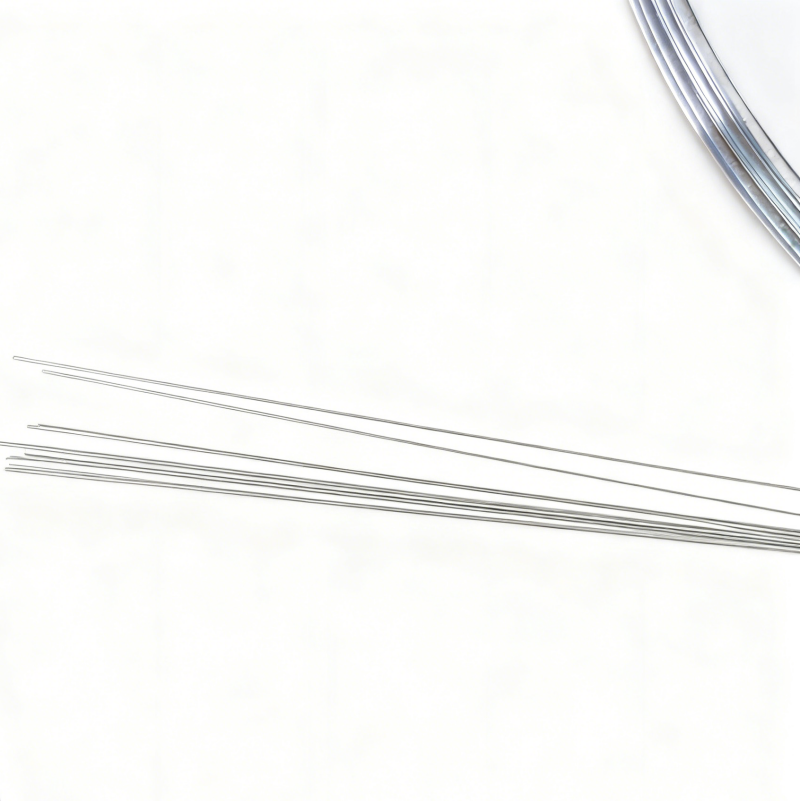
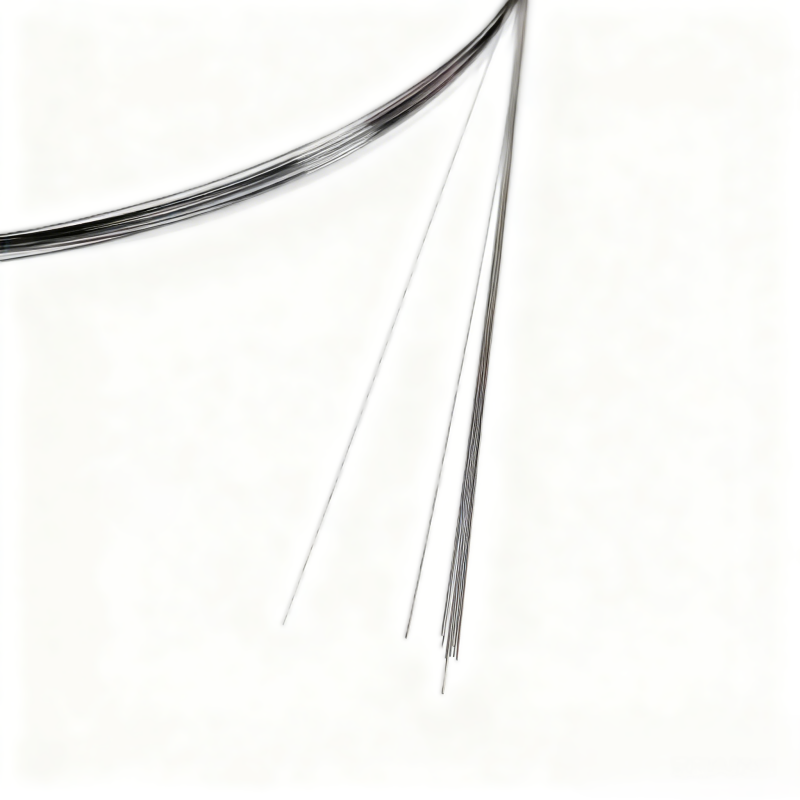
micro guide wire
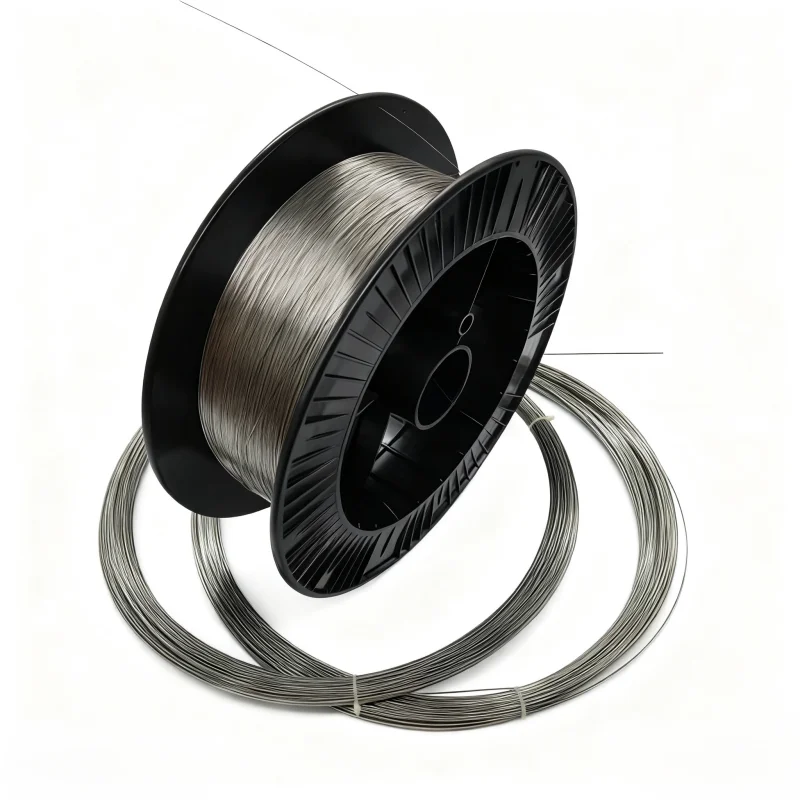
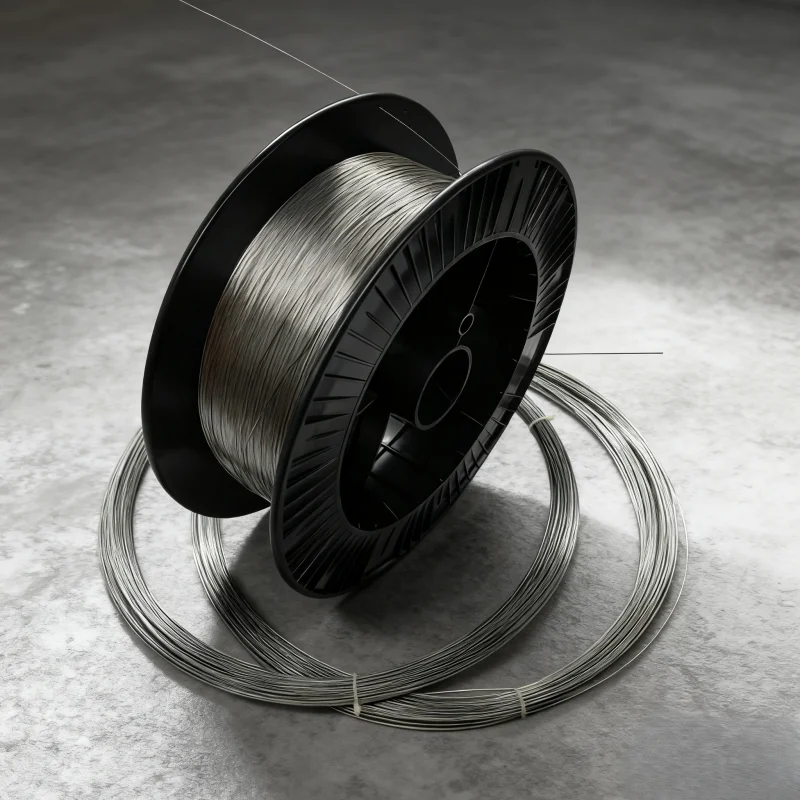
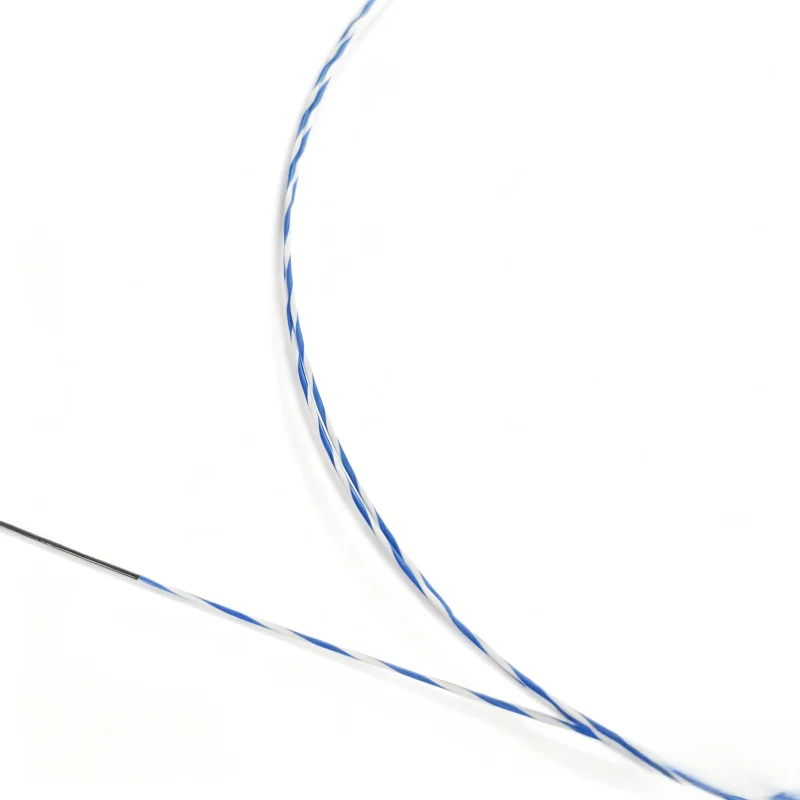
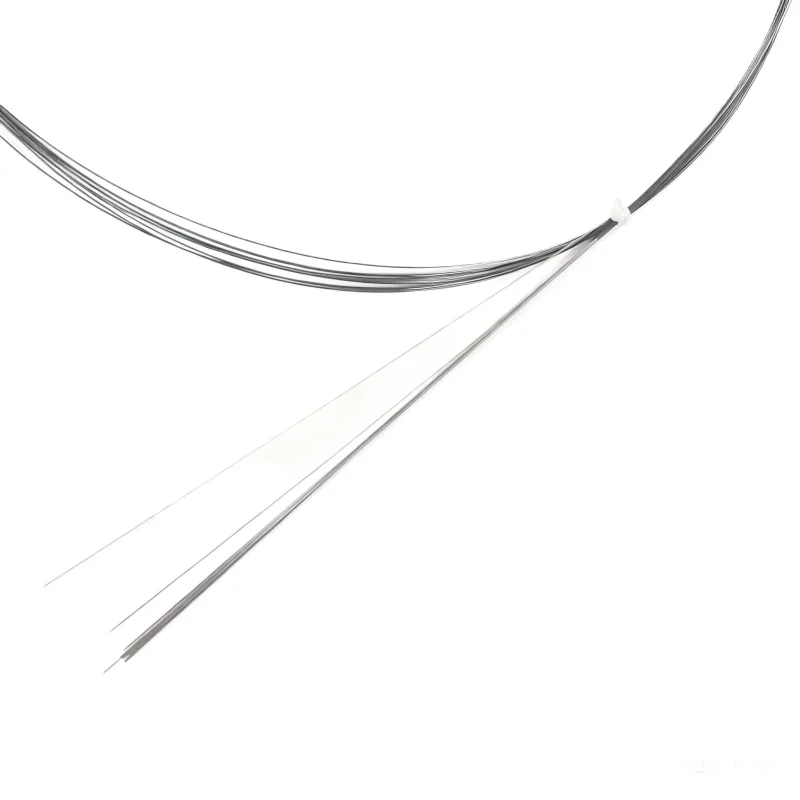
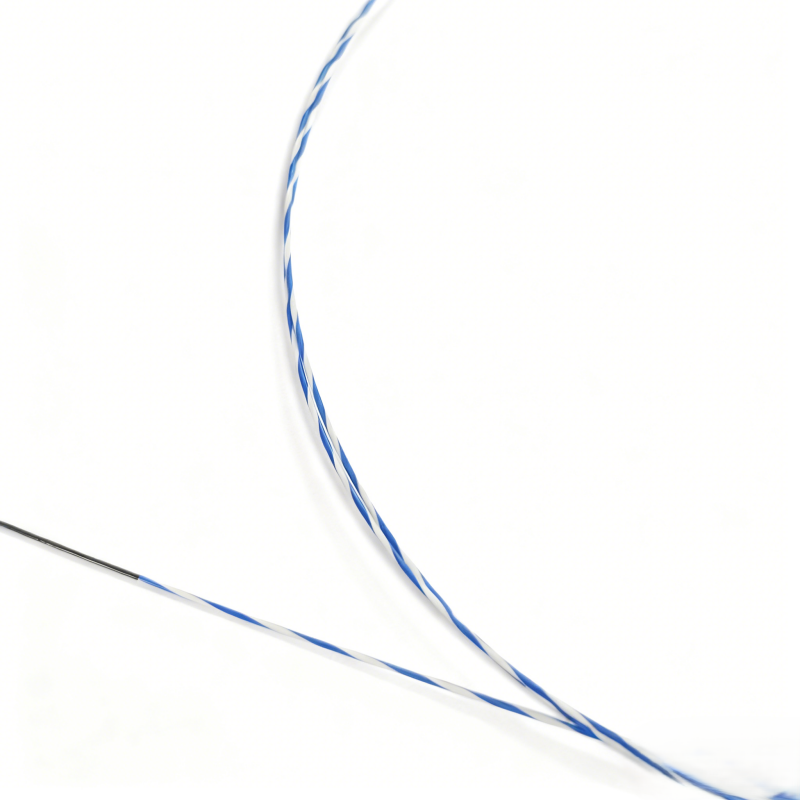
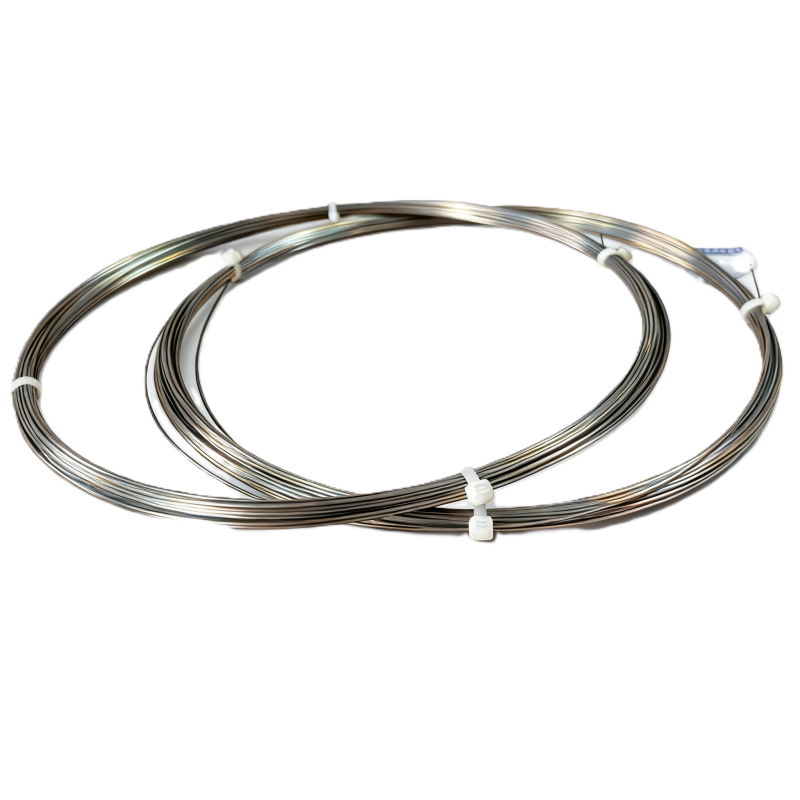
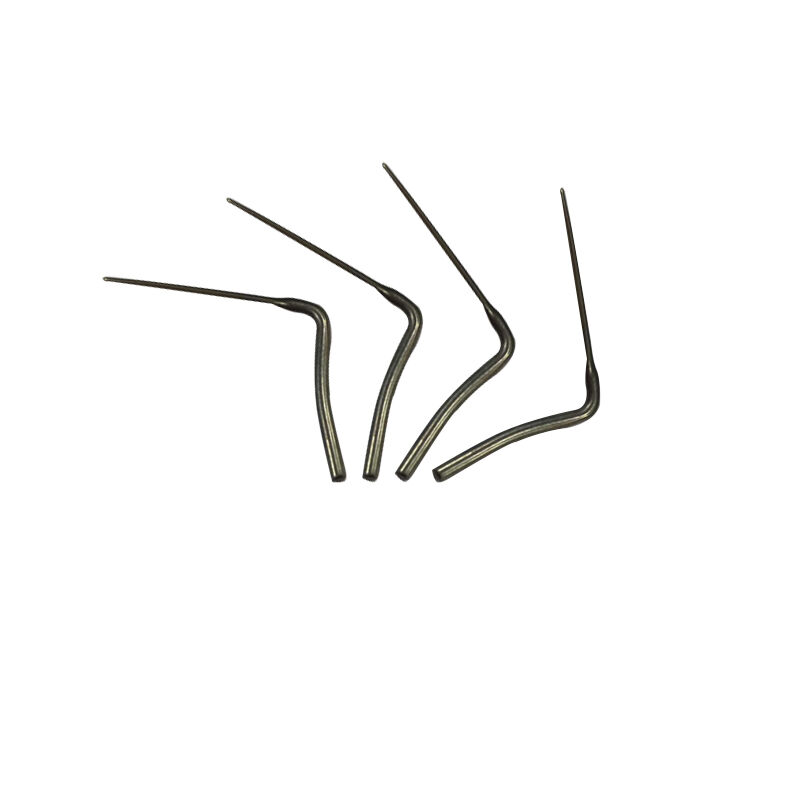
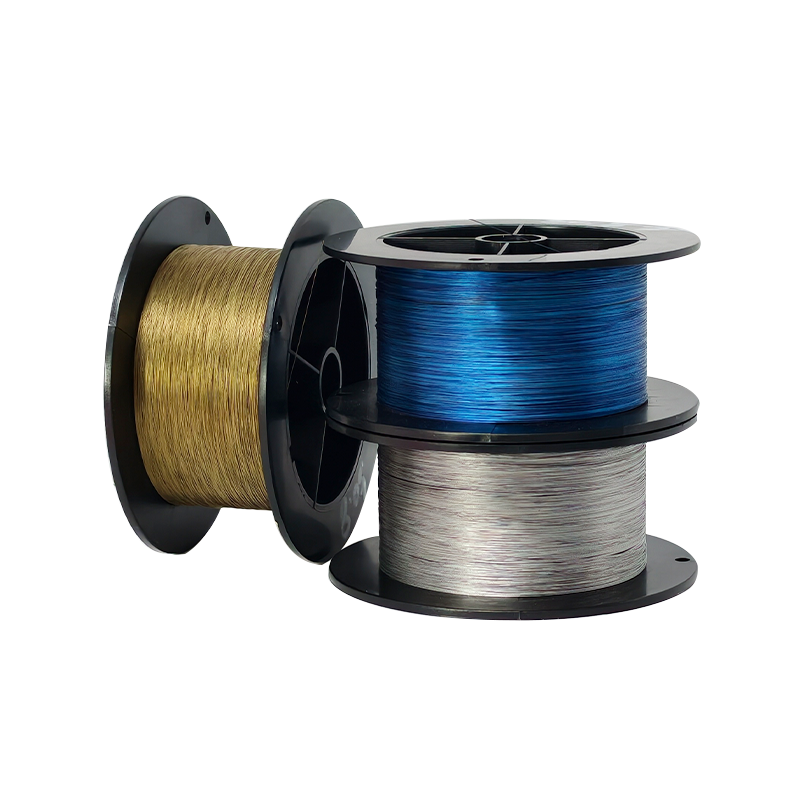
A micro guide wire is a slender, highly flexible medical device used to navigate through the body's complex vascular and non-vascular pathways during minimally invasive procedures. Designed to work in tandem with catheters, balloons, stents, and other interventional tools, the micro guide wire serves as a navigational backbone that allows physicians to reach target sites with precision and control. Its primary function is to provide a stable pathway through which other devices can be advanced, repositioned, or exchanged without causing unnecessary trauma to surrounding tissue. The micro guide wire is engineered to balance three critical performance characteristics: torque response, flexibility, and pushability. Torque response ensures that rotational movements applied at the proximal end translate accurately to the distal tip, giving the operator real-time directional control. Flexibility allows the wire to conform to the natural curves and bends of anatomical structures, reducing the risk of vessel injury. Pushability refers to the wire's ability to transmit forward force along its length without buckling or kinking, which is essential when navigating tight or tortuous pathways. From a technological standpoint, modern micro guide wires incorporate advanced materials such as nitinol cores, hydrophilic polymer coatings, and stainless steel composites. Nitinol, a nickel-titanium alloy, provides exceptional shape memory and superelastic properties, enabling the wire to return to its original form after bending. Hydrophilic coatings dramatically reduce surface friction, allowing the micro guide wire to glide smoothly through narrow lumens and complex anatomical routes. Radiopaque markers or full-length radiopaque construction ensure clear visibility under fluoroscopic imaging, giving clinicians continuous positional feedback throughout the procedure. The micro guide wire finds broad application across interventional cardiology, peripheral vascular intervention, neuroradiology, urology, and gastroenterology. Whether used in coronary artery procedures, renal artery stenting, cerebrovascular navigation, or biliary duct access, the micro guide wire consistently delivers the precision and reliability that complex interventional work demands. Its compact diameter, typically ranging from 0.010 to 0.018 inches, makes it especially suited for accessing small, distal, or otherwise difficult-to-reach anatomical locations where standard guide wires cannot safely operate.

 EN
EN