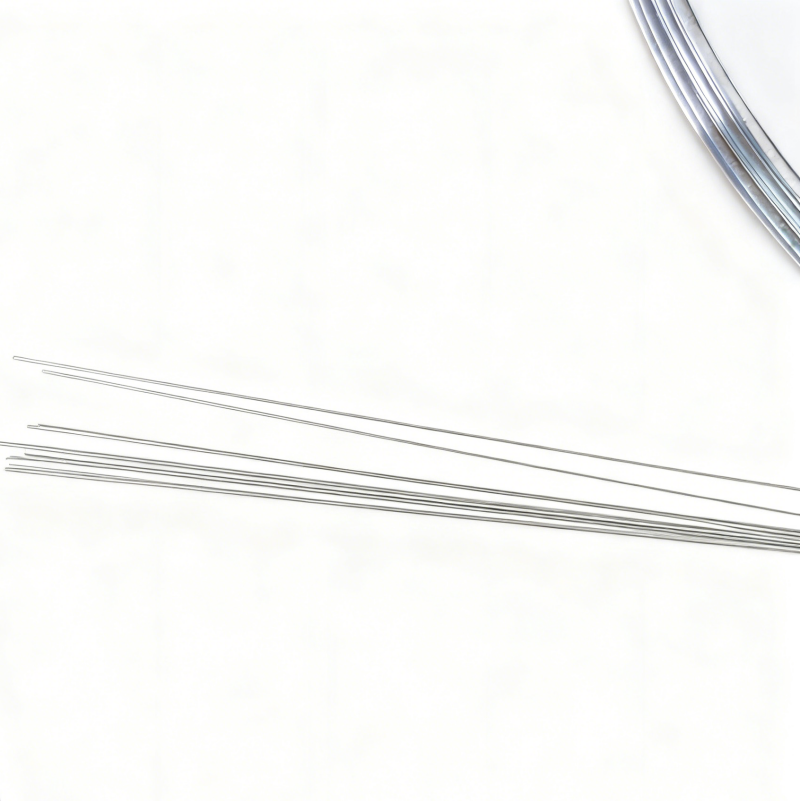
Guide Wires for Catheters: Precision, Performance, and Versatility in Interventional Medicine

Get a Free Quote

Our representative will contact you soon.
Email
Name
Company Name
Message
0/1000

guide wires for catheters

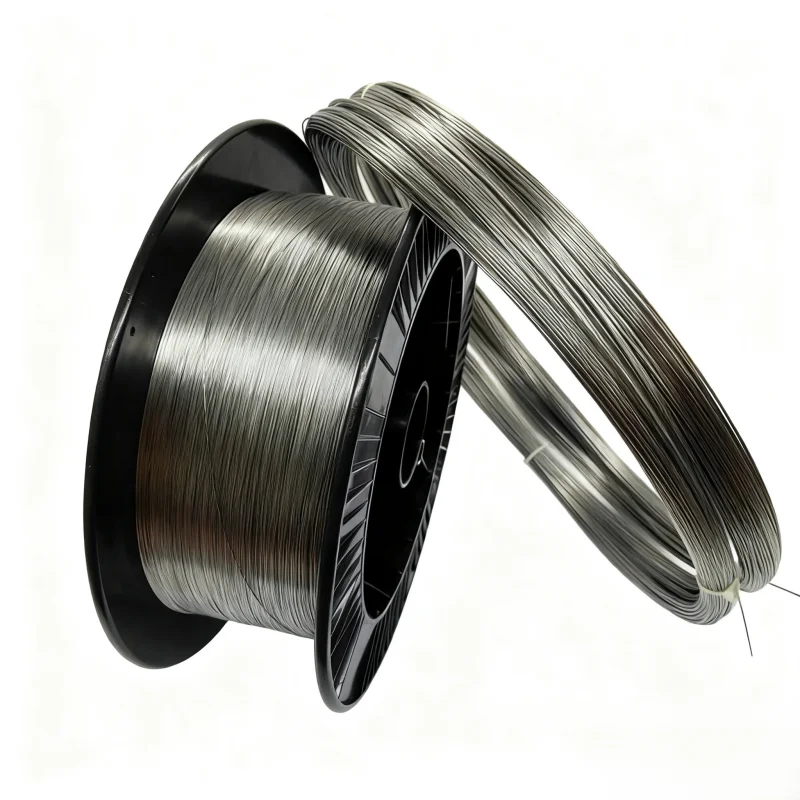
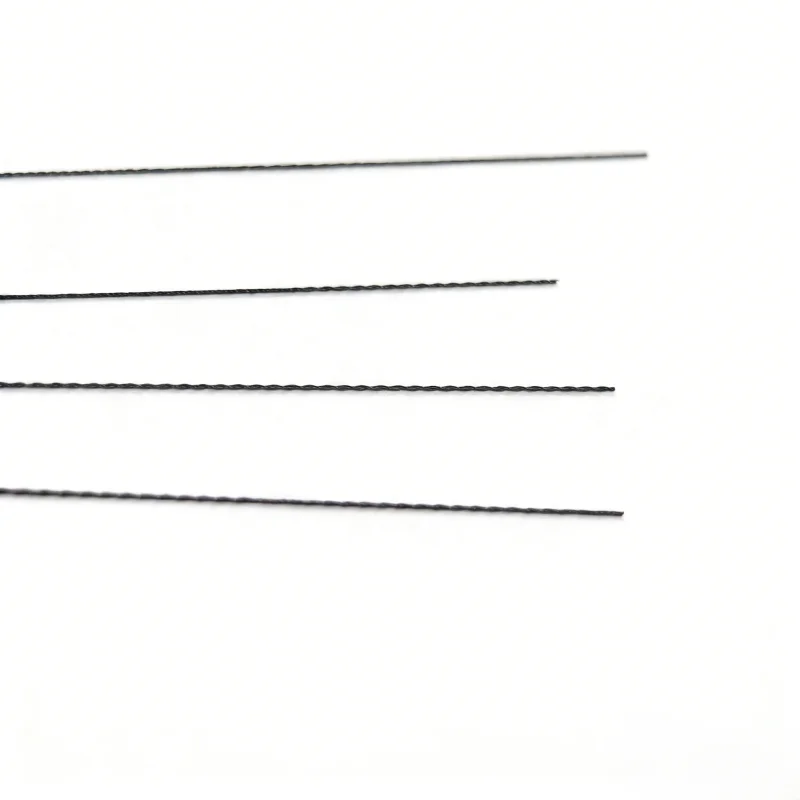
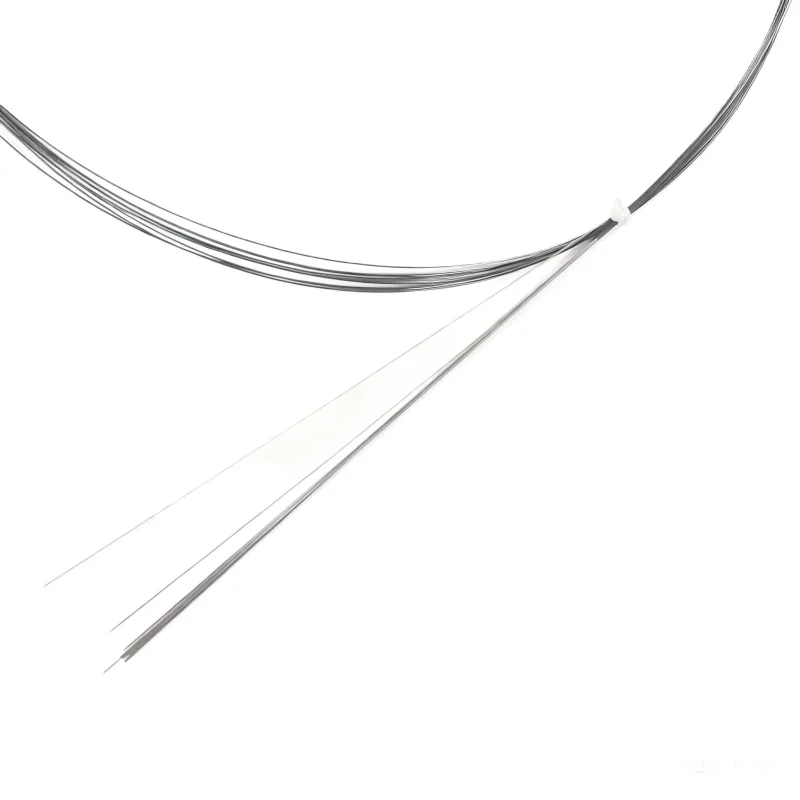
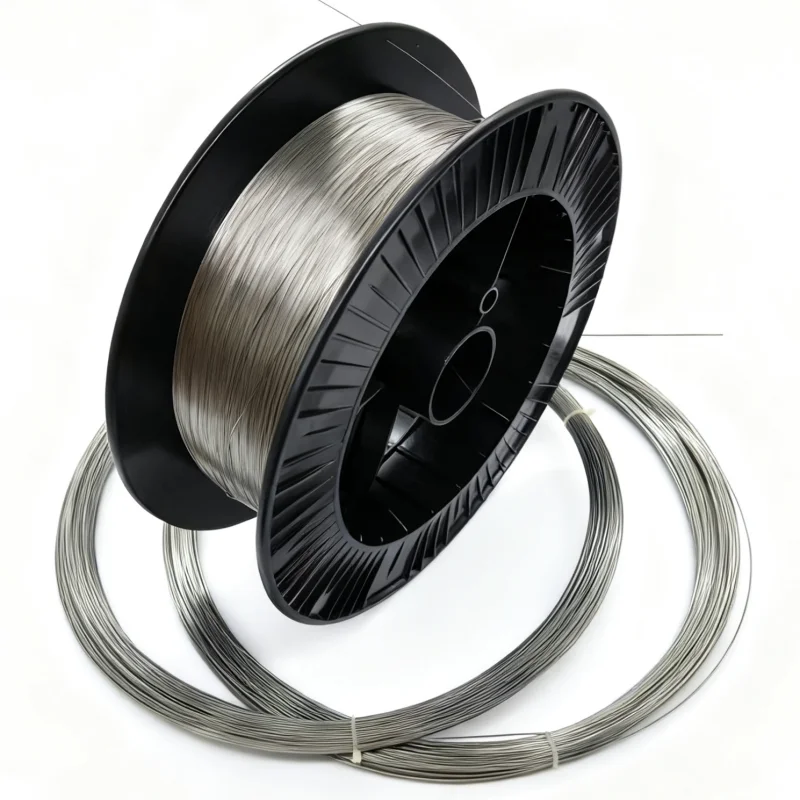
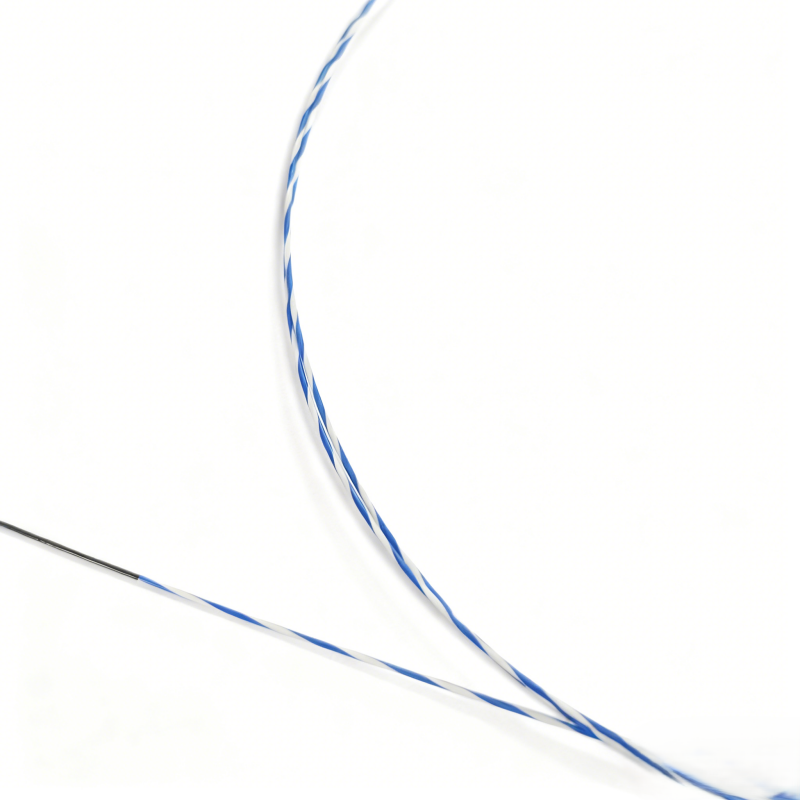
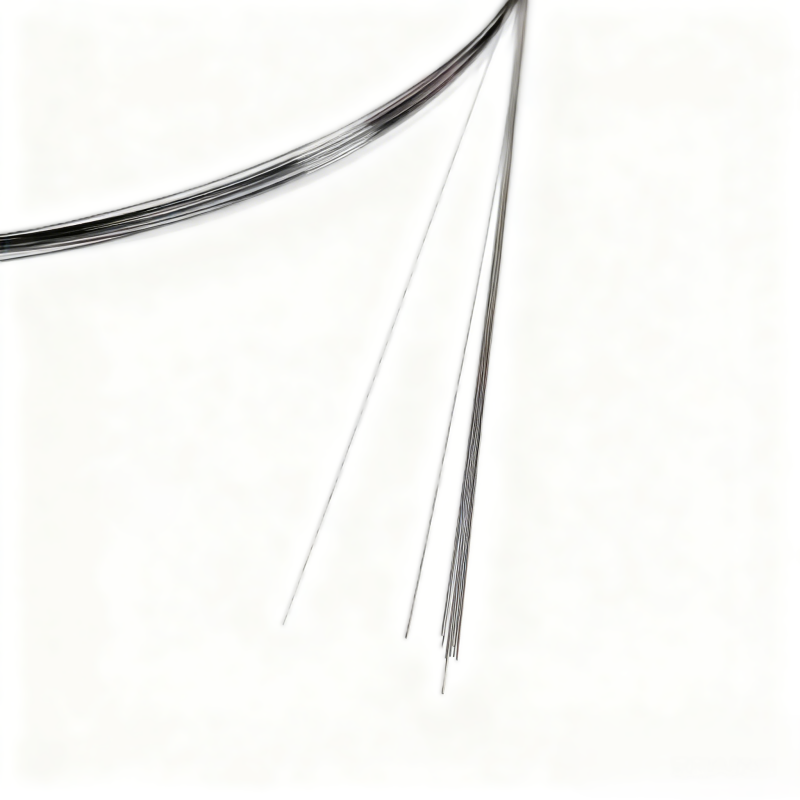
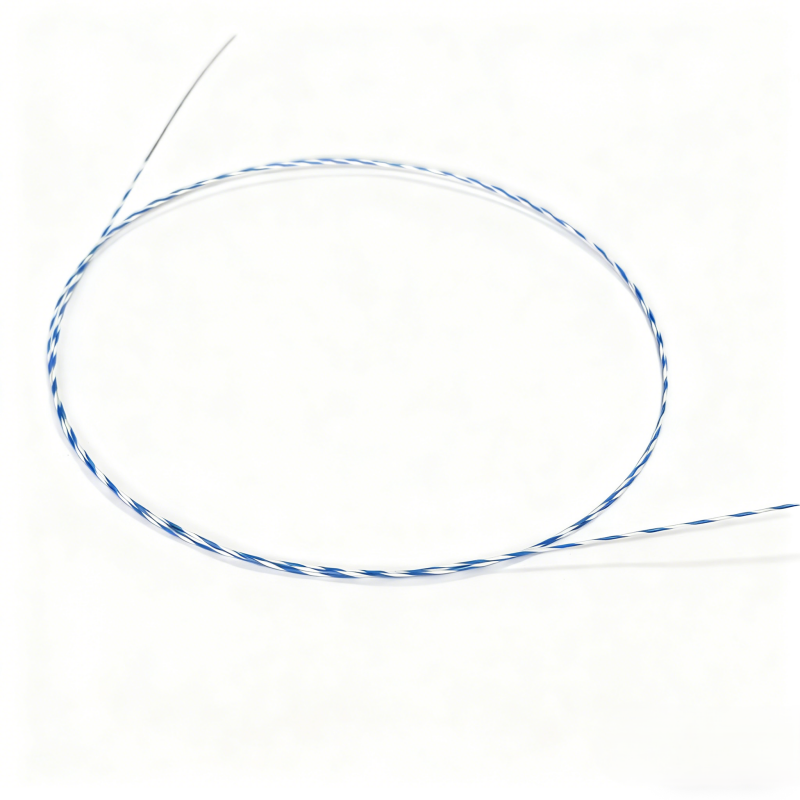
Guide wires for catheters are slender, flexible medical devices designed to navigate the complex pathways of the human vascular and non-vascular systems. They serve as the foundational tool that enables clinicians to position catheters, stents, balloons, and other interventional devices with precision and control. Without guide wires for catheters, many minimally invasive procedures would be significantly more difficult, riskier, or entirely impossible to perform safely. These devices are engineered to balance stiffness and flexibility, allowing them to advance through tortuous anatomy while maintaining enough structural integrity to support the delivery of therapeutic instruments. The primary function of guide wires for catheters is to establish and maintain access to a target site within the body. Once a guide wire is placed, it acts as a rail over which catheters and other devices can be tracked smoothly and accurately. This rail function reduces trauma to vessel walls, minimizes the risk of perforation, and shortens procedure time. From a technological standpoint, guide wires for catheters incorporate advanced materials such as nitinol, stainless steel, and polymer coatings. Nitinol, a nickel-titanium alloy, provides superelastic properties that allow the wire to return to its original shape after bending, making it ideal for navigating tight curves and complex anatomy. Hydrophilic coatings reduce surface friction dramatically, enabling smoother passage through narrow or calcified vessels. Hydrophobic coatings, on the other hand, offer better tactile feedback and handling characteristics in wet environments. The tip design of guide wires for catheters is another critical technological feature. Tips can be straight, angled, or J-shaped, each configuration suited to specific anatomical challenges. Soft, atraumatic tips protect delicate vessel walls, while stiffer tips provide the pushability needed in more demanding interventions. Guide wires for catheters find broad application across cardiology, radiology, urology, gastroenterology, and neurovascular procedures. In cardiology, they are essential for coronary angioplasty and stenting. In radiology, they facilitate biliary and renal access. In urology, they assist in ureteral stent placement. Their versatility, combined with continuous material and design innovation, makes guide wires for catheters indispensable tools in modern interventional medicine, supporting better patient outcomes and expanding the boundaries of what minimally invasive procedures can achieve.


New Product Recommendations

Guide wires for catheters deliver real, measurable benefits that matter to clinicians, hospitals, and most importantly, patients. Understanding these practical advantages helps medical professionals make informed purchasing decisions and helps healthcare facilities optimize procedural outcomes. Here is a straightforward look at why guide wires for catheters stand out as essential tools in any interventional setting. First, guide wires for catheters make procedures faster and more efficient. When a clinician needs to reach a specific target inside the body, having a reliable guide wire means less time spent repositioning, less fluoroscopy exposure, and a smoother overall workflow. Faster procedures reduce patient time on the table, lower anesthesia requirements, and free up procedural suites for more cases. This efficiency translates directly into cost savings for healthcare facilities and better experiences for patients. Second, guide wires for catheters significantly reduce the risk of vessel injury. Their soft, atraumatic tips and flexible bodies are designed to move through blood vessels and ducts without causing unnecessary trauma. This protective design lowers the chance of perforation, dissection, or spasm, which are complications that can turn a routine procedure into an emergency. Clinicians can advance the wire with confidence, knowing the device is engineered to protect the patient. Third, guide wires for catheters offer exceptional versatility. A single product line often covers a wide range of clinical scenarios, from straightforward peripheral access to complex neurovascular navigation. This versatility means procurement teams can standardize their inventory around a trusted product family, reducing the complexity of supply chain management and staff training. Fourth, the advanced coatings on guide wires for catheters improve handling and trackability. Hydrophilic coatings allow the wire to glide through tight, calcified, or tortuous vessels with minimal resistance. This smooth passage reduces the physical effort required from the operator and decreases the likelihood of the wire kinking or losing its shape mid-procedure. Better handling means better control, and better control means better outcomes. Fifth, guide wires for catheters are compatible with a wide range of catheter systems and interventional devices. This broad compatibility reduces the need for multiple specialized wires and simplifies the procedural setup. Clinicians can focus on the patient rather than troubleshooting equipment mismatches. Sixth, modern guide wires for catheters are built with durability in mind. High-quality materials resist deformation under repeated stress, maintaining their performance characteristics throughout the entire procedure. This reliability builds clinician confidence and reduces the risk of device failure at a critical moment. Seventh, guide wires for catheters support better patient outcomes by enabling more precise device placement. When a stent, balloon, or drainage catheter lands exactly where it needs to be, the therapeutic effect is maximized and the need for repeat procedures is minimized. Fewer repeat procedures mean lower costs, less patient discomfort, and faster recovery times. In summary, guide wires for catheters are not just technical accessories. They are performance-enabling tools that directly influence the safety, speed, and success of interventional procedures. Investing in high-quality guide wires for catheters is an investment in clinical excellence and patient care.

Latest News

Why is phase transition stability of nickel titanium wire key to actuator success?

13

May

Why is phase transition stability of nickel titanium wire key to actuator success?

In the world of precision actuators, the materials used to generate motion are not merely components — they are the foundation of reliability. nickel titanium wire has emerged as one of the most compelling active materials in modern actuator engineer...
View More
How to ensure dimensional tolerances for precision Nitinol metal parts?

18

May

How to ensure dimensional tolerances for precision Nitinol metal parts?

Achieving tight dimensional tolerances in Nitinol metal components is one of the most demanding challenges in precision manufacturing. Unlike conventional metals, Nitinol — a nickel-titanium shape memory alloy — exhibits superelastic recovery and pha...
View More
Why is Starspring's Nitinol metal at the forefront of the smart drive industry?

19

May

Why is Starspring's Nitinol metal at the forefront of the smart drive industry?

The smart drive industry is defined by its relentless demand for materials that can do more with less — components that respond intelligently to their environment, endure repeated mechanical cycles, and perform with precision in applications ranging ...
View More
How to identify high-quality Nitinol sources with a 21-year background?

01

Jun

How to identify high-quality Nitinol sources with a 21-year background?

Sourcing Nitinol for industrial, medical, or specialty applications is not a decision that should be made lightly. Nitinol, the nickel-titanium shape memory alloy renowned for its superelastic behavior and thermal responsiveness, demands a level of m...
View More

Get a Free Quote

Our representative will contact you soon.
Email
Name
Company Name
Message
0/1000

guide wires for catheters

Precision Navigation Through Complex Anatomy

Precision Navigation Through Complex Anatomy

One of the most critical challenges in any interventional procedure is navigating the guide wire through anatomy that is rarely straightforward. Blood vessels curve, branch, narrow, and sometimes contain calcified plaques or other obstructions that make advancement difficult. Guide wires for catheters are specifically engineered to meet this challenge head-on, offering a combination of tip flexibility, shaft stiffness, and surface coating technology that enables precise navigation even in the most demanding anatomical environments. The tip of a guide wire is the first point of contact with tissue, and its design has a profound impact on procedural safety and success. Soft, flexible tips absorb the energy of forward advancement and deflect away from vessel walls rather than puncturing them. Angled tips allow the clinician to steer the wire in a desired direction by rotating the shaft, a technique known as torquing. J-shaped tips are particularly useful for navigating past obstructions or entering side branches. Each tip configuration serves a specific clinical purpose, and having access to the right tip design for the right situation is a significant advantage. The shaft of guide wires for catheters is engineered to transmit torque from the operator's hand to the tip with minimal lag or distortion. This one-to-one torque response gives the clinician a sense of direct control, making it easier to steer the wire precisely where it needs to go. High torque fidelity is especially important in neurovascular and coronary procedures where millimeter-level precision can determine the difference between a successful outcome and a serious complication. Surface coatings play an equally important role in navigation performance. Hydrophilic coatings activate upon contact with moisture, creating a slippery surface that dramatically reduces friction between the wire and the vessel wall or catheter lumen. This reduction in friction allows the wire to advance smoothly through tight stenoses, tortuous segments, and long vascular pathways without the operator needing to apply excessive force. Reduced force means reduced risk of vessel injury and reduced operator fatigue during lengthy procedures. The combination of intelligent tip design, high-fidelity torque transmission, and advanced surface coatings makes guide wires for catheters a precision navigation instrument that clinicians can rely on to reach their target safely and efficiently, procedure after procedure.
Superior Material Technology for Lasting Performance

Superior Material Technology for Lasting Performance

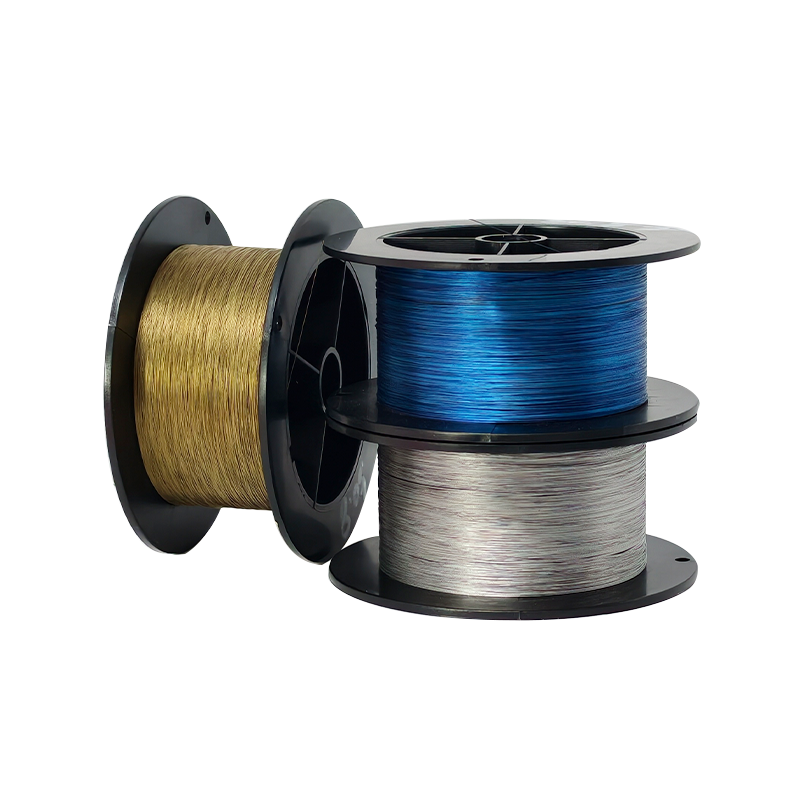
The performance of guide wires for catheters is inseparable from the materials used to construct them. Advances in material science over the past two decades have transformed these devices from simple metal wires into sophisticated, multi-component systems capable of performing reliably in the most demanding clinical environments. Understanding the material technology behind guide wires for catheters helps clinicians and procurement professionals appreciate why quality matters and why not all guide wires are created equal. Nitinol, a nickel-titanium alloy, is one of the most important materials in modern guide wire construction. Its superelastic properties allow it to undergo significant deformation and return to its original shape without permanent damage. This characteristic is invaluable when navigating highly tortuous anatomy, where a conventional stainless steel wire might kink or take a set, losing its ability to transmit torque effectively. Nitinol guide wires for catheters maintain their shape and performance characteristics even after repeated bending, making them a dependable choice for complex cases. Stainless steel remains a preferred material for applications requiring high pushability and stiffness. Its high tensile strength allows the wire to transmit forward force efficiently, which is important when crossing tight lesions or advancing through long, straight vascular segments. Many guide wires for catheters use a composite construction, combining a nitinol core for flexibility with a stainless steel outer coil for pushability and tactile feedback. This hybrid approach delivers the best of both materials in a single device. Polymer coatings add another layer of performance enhancement. Hydrophilic coatings, typically made from polyvinylpyrrolidone or similar materials, bond to the wire surface and create a lubricious layer when wet. This coating reduces the coefficient of friction significantly, allowing the wire to slide through vessels and catheter lumens with minimal resistance. Hydrophobic coatings, by contrast, repel water and provide a tackier surface that improves grip and tactile feedback, which some operators prefer for certain procedures. The outer jacket or sheath of guide wires for catheters is also carefully selected to balance flexibility, kink resistance, and durability. High-quality polymer jackets protect the inner core from damage, maintain the wire's profile, and contribute to its overall handling characteristics. Durability is a key consideration because guide wires for catheters must maintain their performance throughout an entire procedure, which can last anywhere from minutes to several hours. Material degradation mid-procedure is not an option. The investment in superior material technology pays dividends in clinical reliability, procedural efficiency, and patient safety, making it a defining feature of high-quality guide wires for catheters.
Broad Clinical Versatility Across Multiple Specialties

Broad Clinical Versatility Across Multiple Specialties

One of the most compelling advantages of modern guide wires for catheters is their ability to serve a wide range of clinical specialties and procedural contexts. Rather than being a niche tool limited to a single application, guide wires for catheters have evolved into a versatile platform that supports interventional cardiology, interventional radiology, urology, gastroenterology, neurovascular surgery, and beyond. This broad clinical applicability makes them one of the most widely used device categories in the entire interventional medicine landscape. In interventional cardiology, guide wires for catheters are the backbone of coronary angioplasty and stenting procedures. Cardiologists rely on them to cross coronary stenoses, navigate bifurcation lesions, and position balloons and stents with millimeter accuracy. The demands of coronary intervention are among the most exacting in all of medicine, and the performance of the guide wire directly influences the success of the procedure. Specialized coronary guide wires for catheters are designed with extra-soft tips and high torque fidelity to meet these demands. In interventional radiology, guide wires for catheters facilitate access to the biliary system, renal collecting system, and peripheral vasculature. Radiologists use them to place drainage catheters, perform angioplasty in peripheral arteries, and navigate the complex anatomy of the hepatic and renal systems. The versatility of guide wire tip shapes and coating options allows radiologists to select the right tool for each specific anatomical challenge. In urology, guide wires for catheters are essential for ureteral stent placement, percutaneous nephrolithotomy access, and ureteroscopy. The urinary tract presents unique challenges, including tight ureteral orifices and tortuous ureters, that require guide wires with specific flexibility and tip characteristics. Urological guide wires for catheters are designed to navigate these challenges while minimizing patient discomfort and procedural risk. In gastroenterology, guide wires for catheters support endoscopic retrograde cholangiopancreatography procedures, where they are used to access the bile duct and pancreatic duct through the endoscope. The confined working channel of the endoscope demands guide wires with a small profile and excellent flexibility. In neurovascular procedures, guide wires for catheters must navigate the delicate and highly tortuous cerebral vasculature with extreme care. Neurovascular guide wires are among the most technically sophisticated in the category, featuring ultra-soft tips and exceptional torque response to support safe navigation in the brain. This remarkable breadth of application across so many specialties demonstrates that guide wires for catheters are not a commodity product but a clinically critical device that requires thoughtful design, rigorous manufacturing, and continuous innovation to meet the diverse needs of modern interventional medicine.
Guide Wires for Catheters: Precision, Performance, and Versatility in Interventional Medicine

Get a Free Quote

Our representative will contact you soon.
Email
Name
Company Name
Message
0/1000
Newsletter
Please Leave A Message With Us