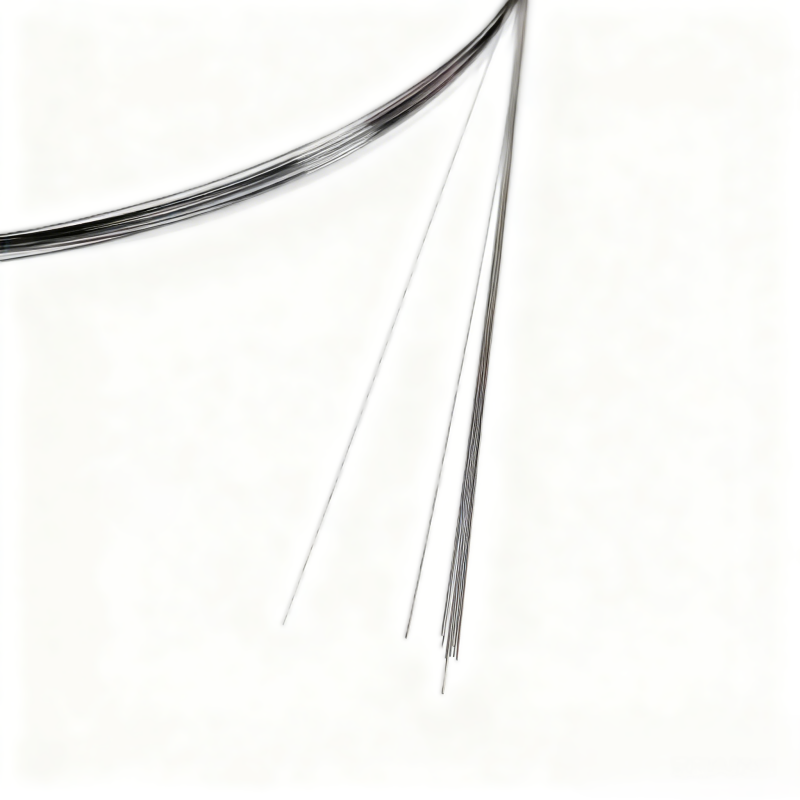
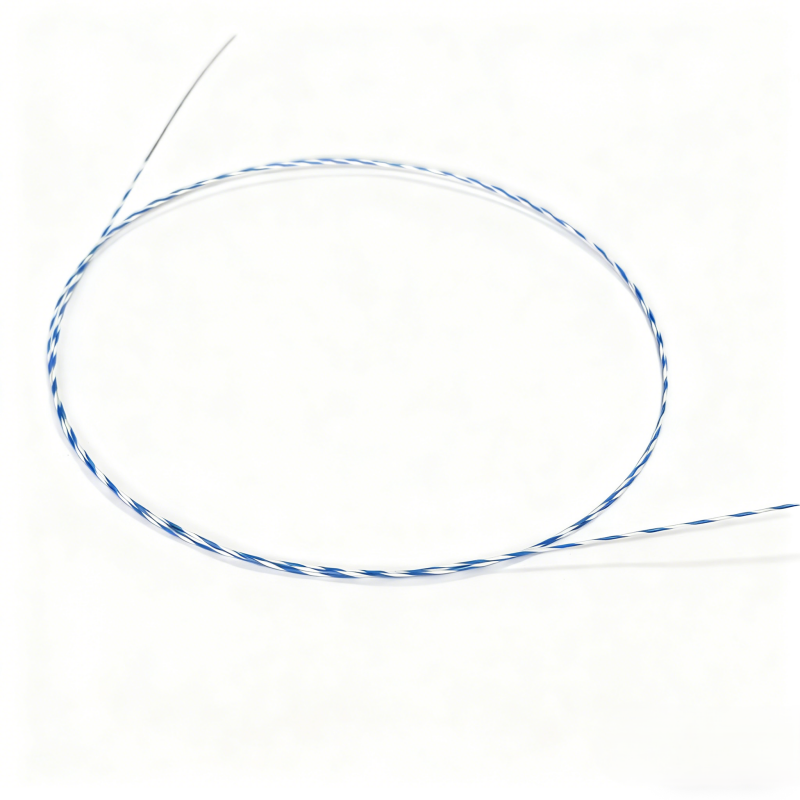
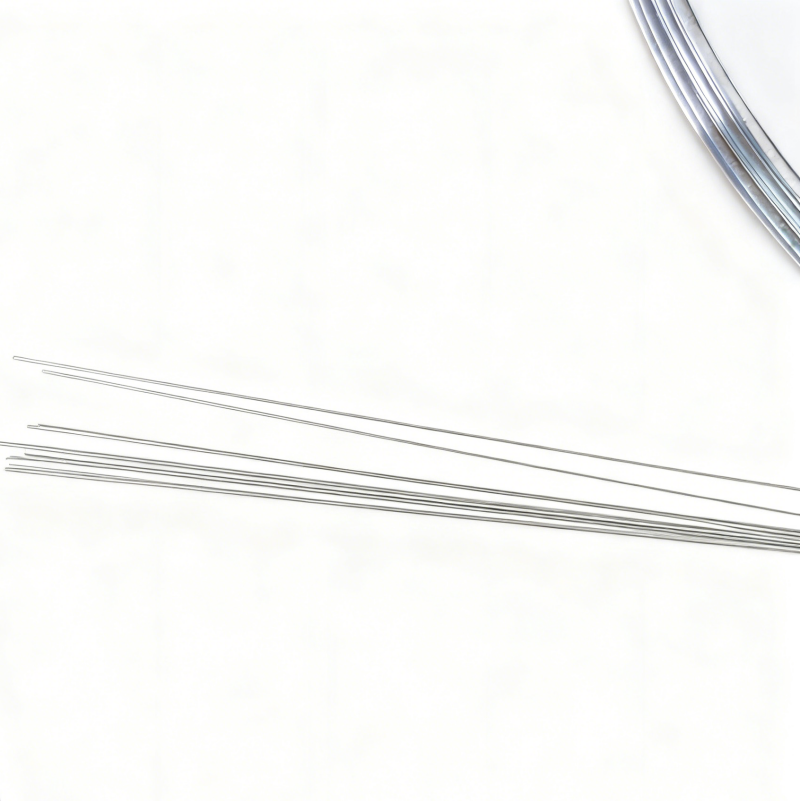
whisper guidewire
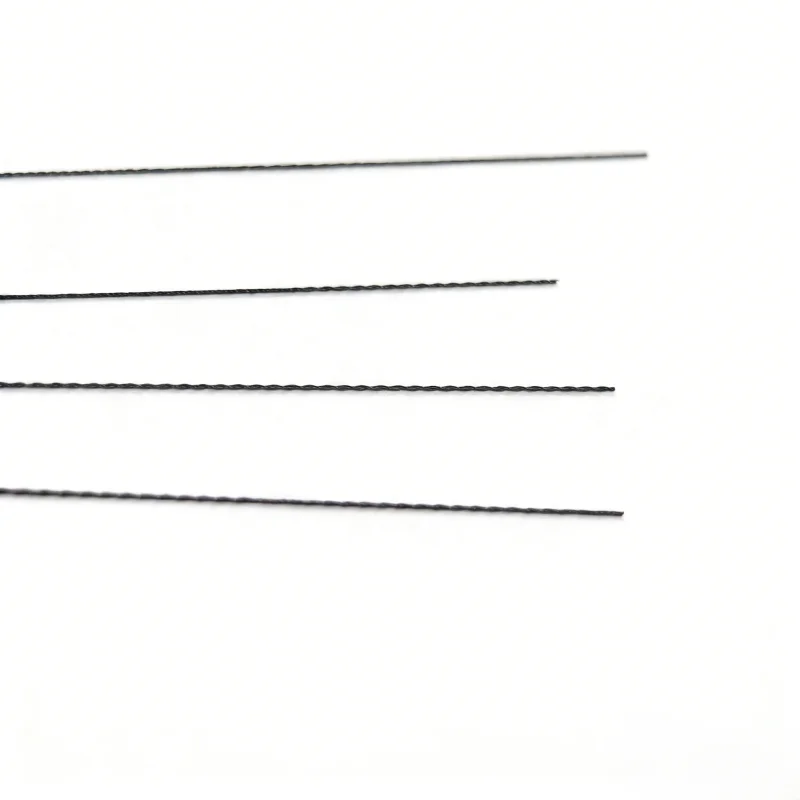
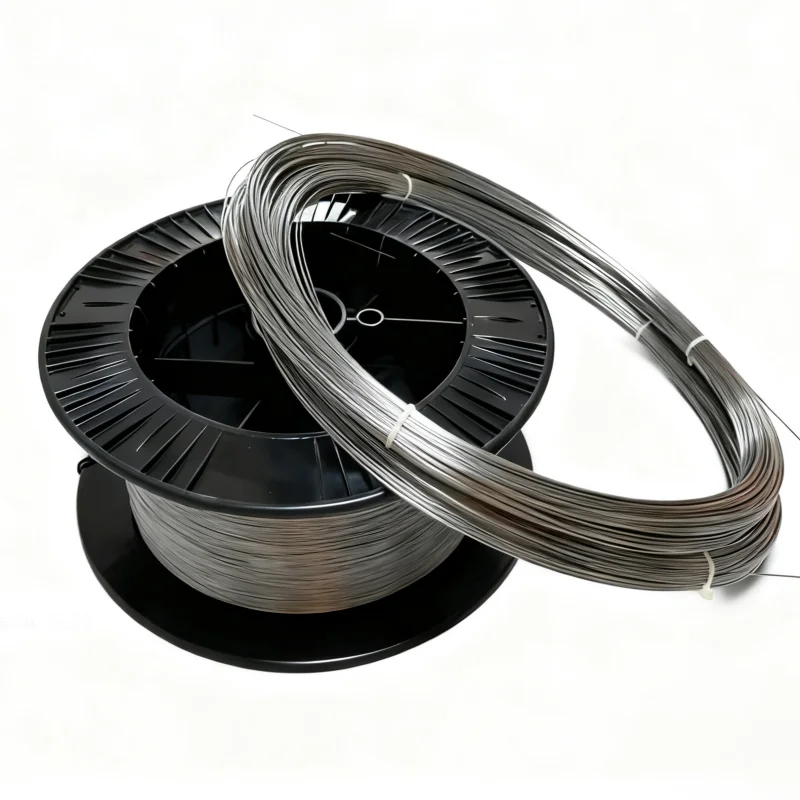
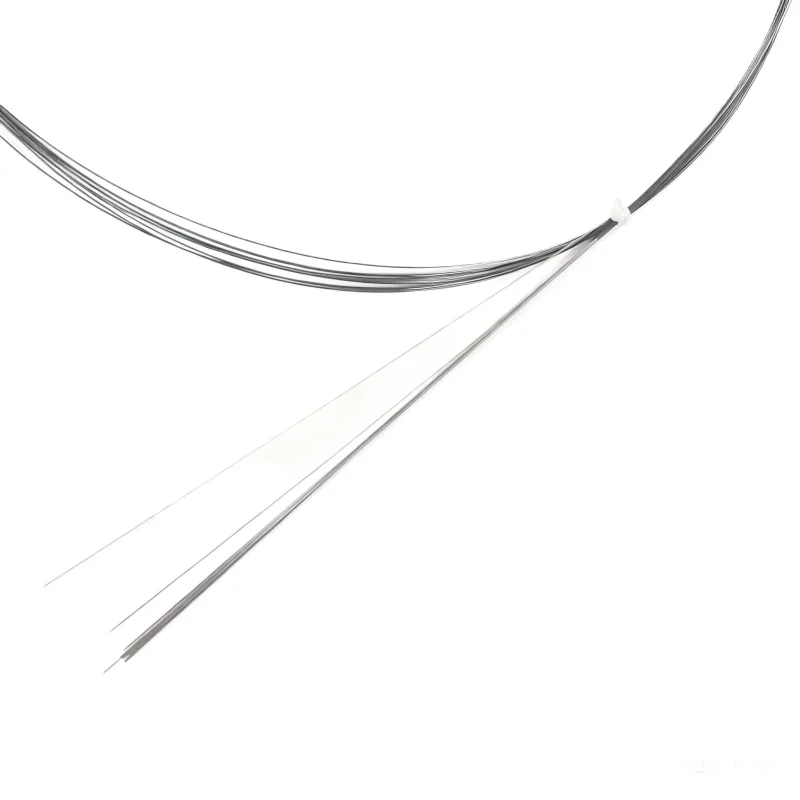
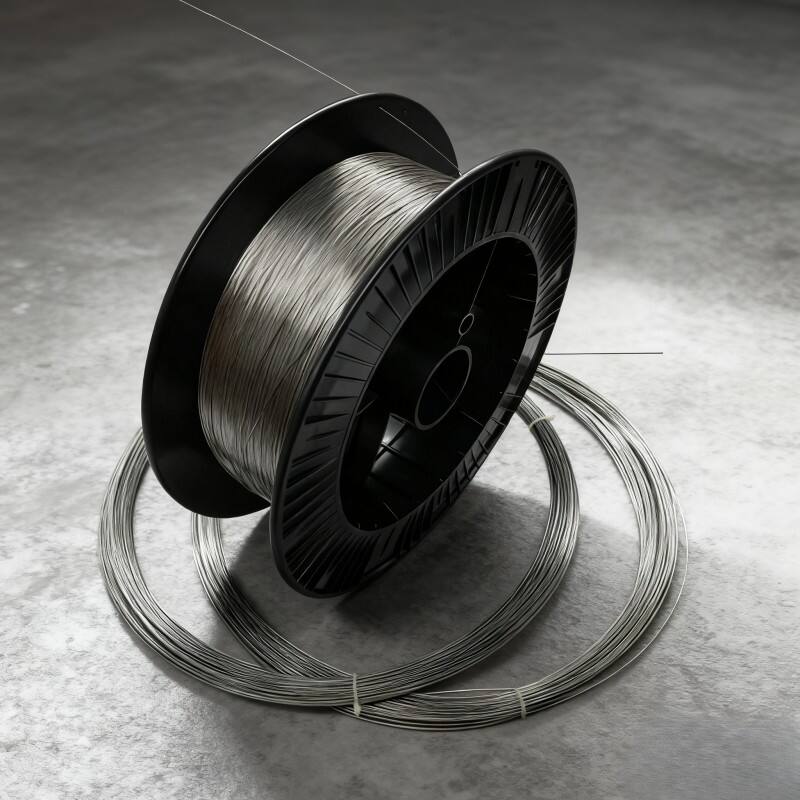
The whisper guidewire represents a significant advancement in interventional medical technology, designed to facilitate precise navigation through complex vascular pathways during minimally invasive procedures. This specialized medical device serves as a crucial tool for healthcare professionals performing catheter-based interventions, enabling them to access challenging anatomical locations with enhanced control and safety. The whisper guidewire features a distinctive construction that combines flexibility with torque response, allowing physicians to maneuver through tortuous vessels while maintaining directional stability. Its core technology incorporates advanced materials engineered to deliver optimal performance across diverse clinical scenarios, from routine diagnostic procedures to complex therapeutic interventions. The whisper guidewire functions as a pathfinder within the cardiovascular system, creating a stable track along which catheters and other interventional devices can follow. Its design philosophy prioritizes smooth advancement through vessel networks, reducing friction and minimizing trauma to delicate arterial walls. The whisper guidewire employs a tapered tip configuration that enhances crossability, enabling clinicians to traverse stenotic lesions and navigate bifurcations with greater ease. Medical professionals utilize this guidewire across multiple specialties, including cardiology, radiology, and vascular surgery, where precise device positioning proves essential for successful outcomes. The whisper guidewire accommodates various procedural requirements, supporting both diagnostic angiography and therapeutic interventions such as angioplasty and stent placement. Its versatility extends to peripheral vascular applications, where anatomical complexity demands equipment capable of adapting to diverse vessel geometries. The whisper guidewire maintains consistent performance characteristics throughout extended procedures, providing reliable support even during lengthy interventions. This medical device has become integral to contemporary interventional practice, trusted by specialists who demand dependable tools for patient care.

 EN
EN