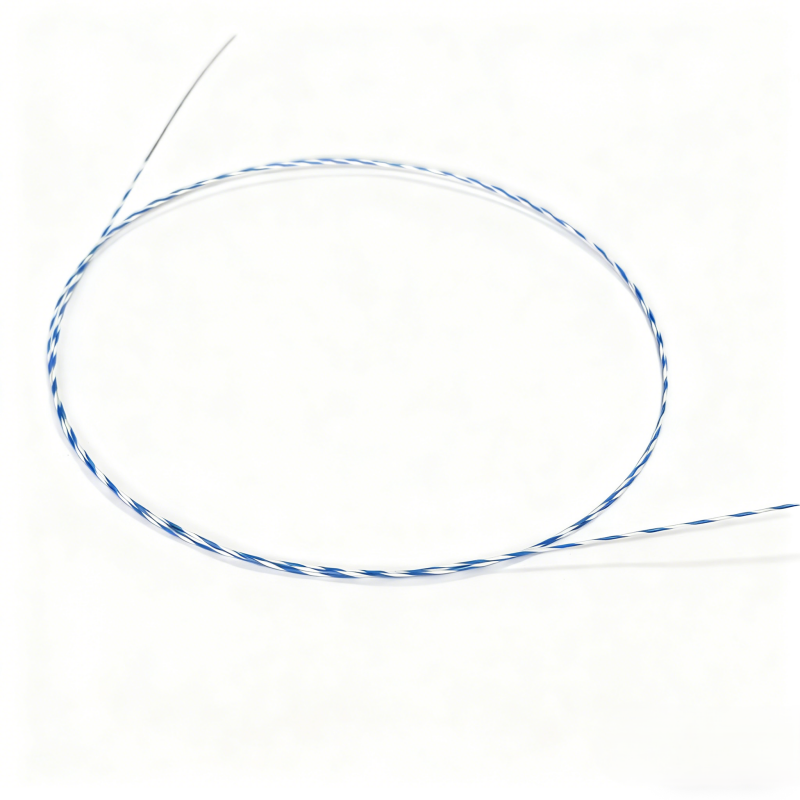
Nitinol Shape Memory Alloy: Properties, Benefits, and Applications

Get a Free Quote

Our representative will contact you soon.
Email
Name
Company Name
Message
0/1000

nitinol is a shape memory

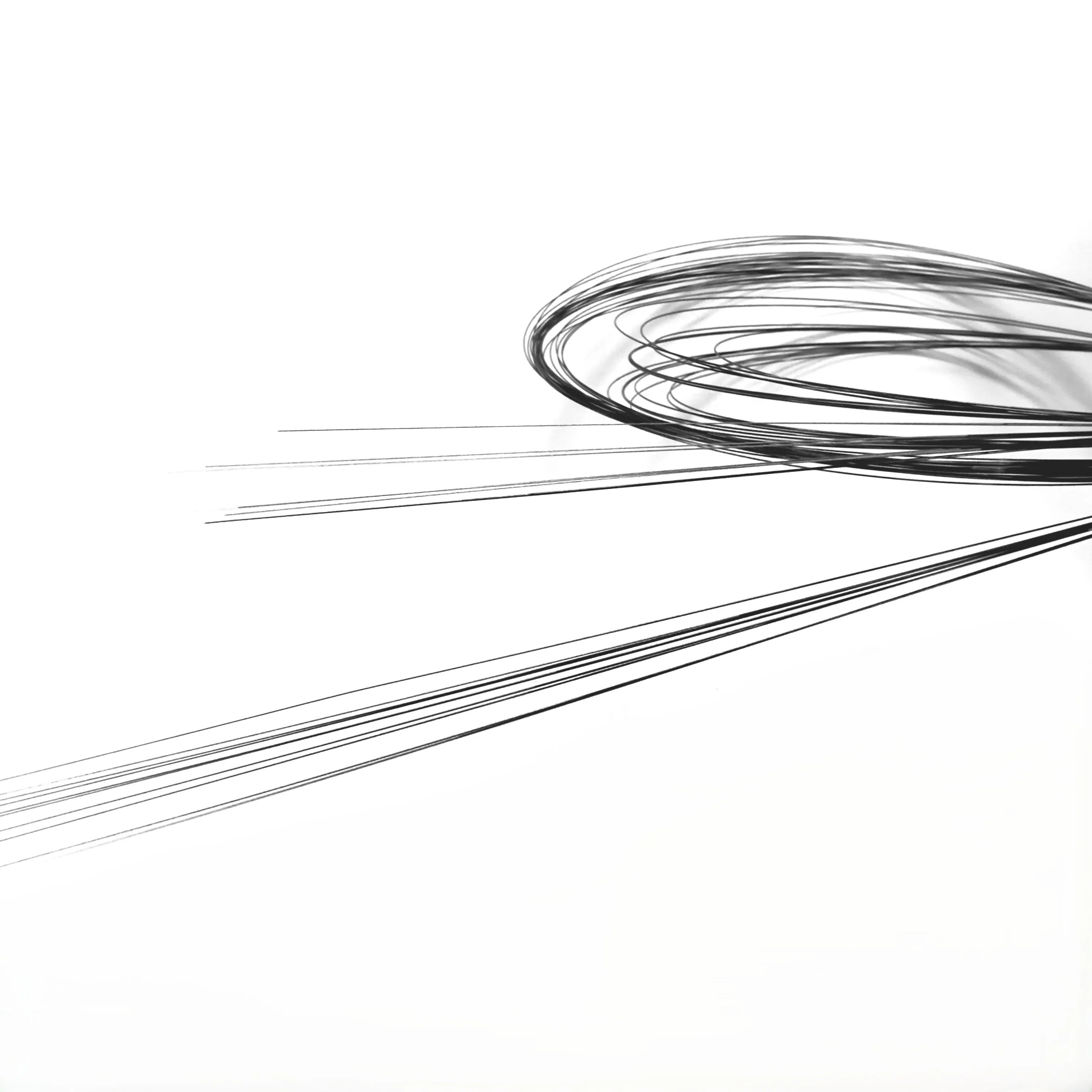
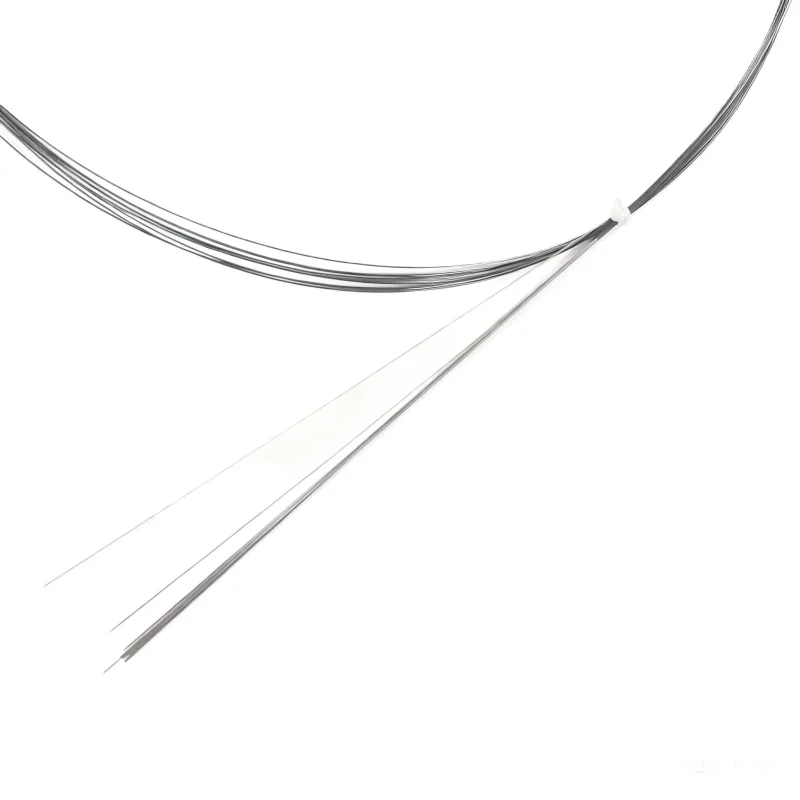
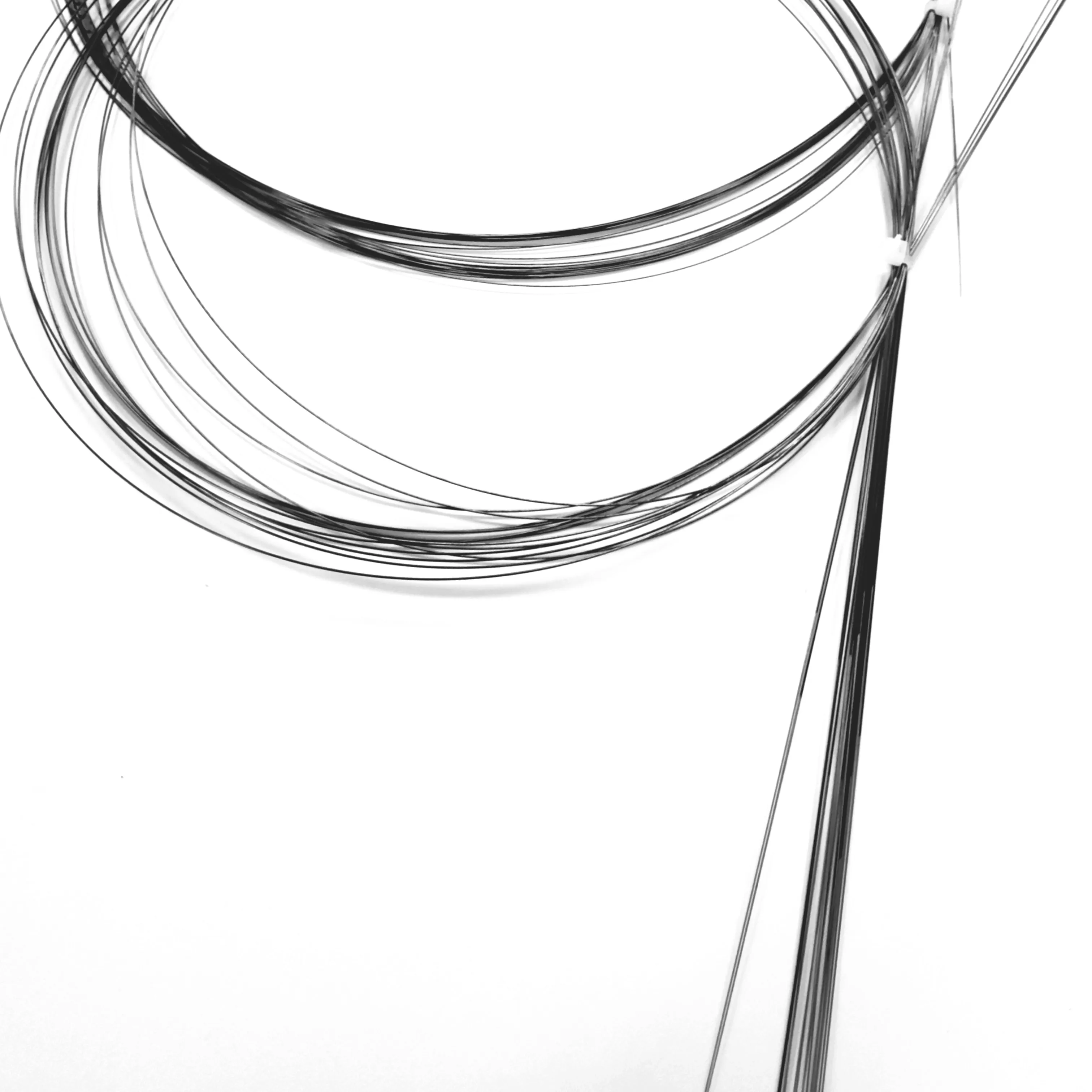
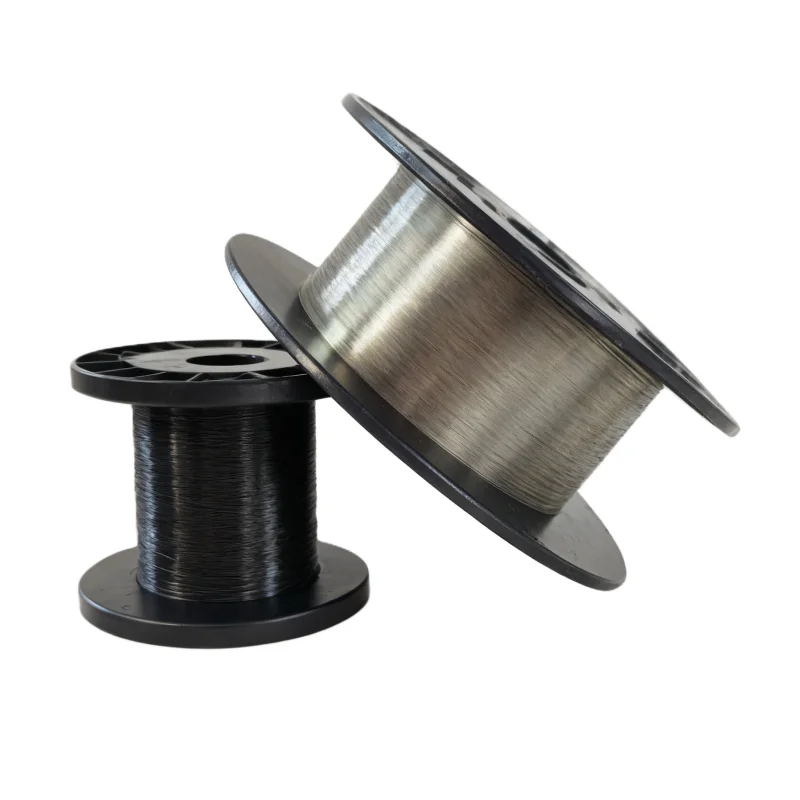
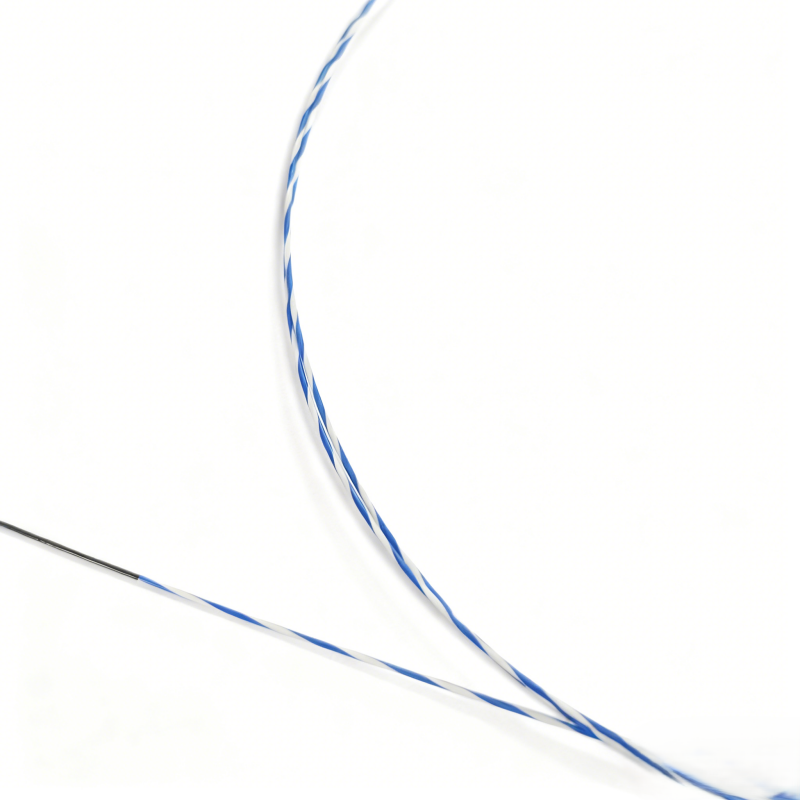
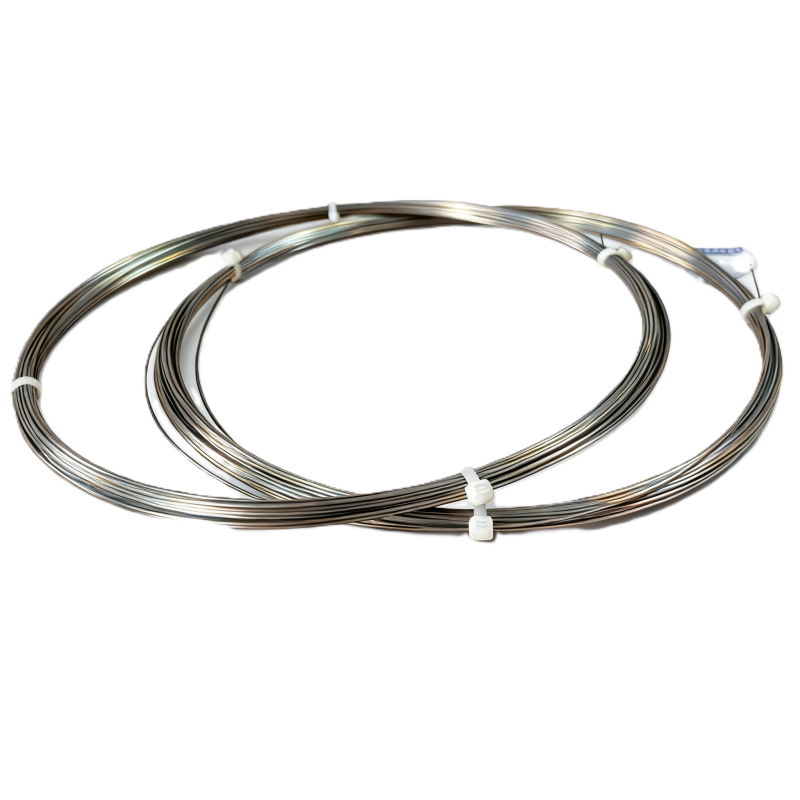
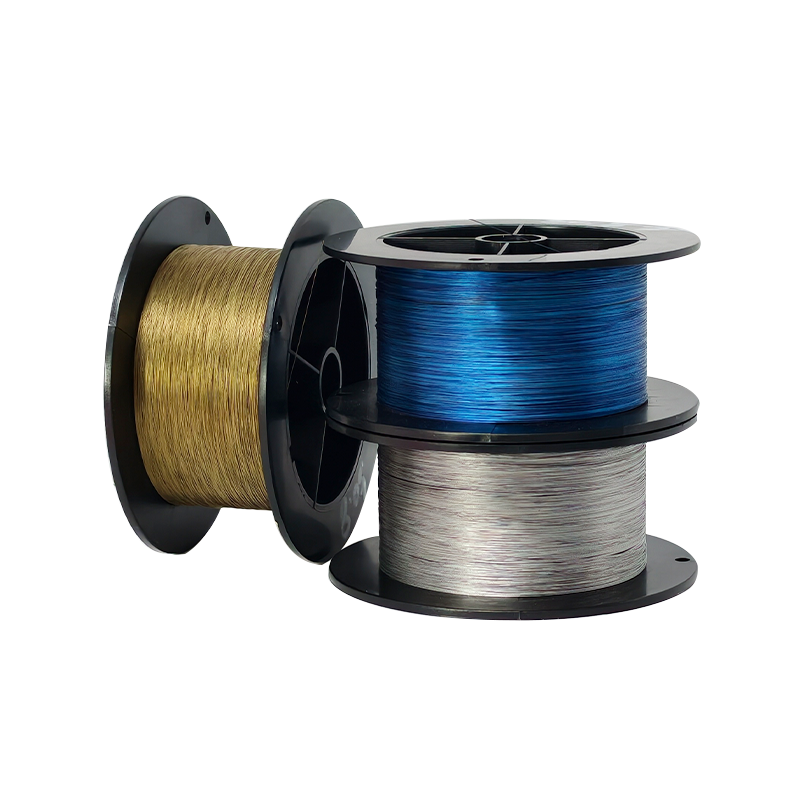
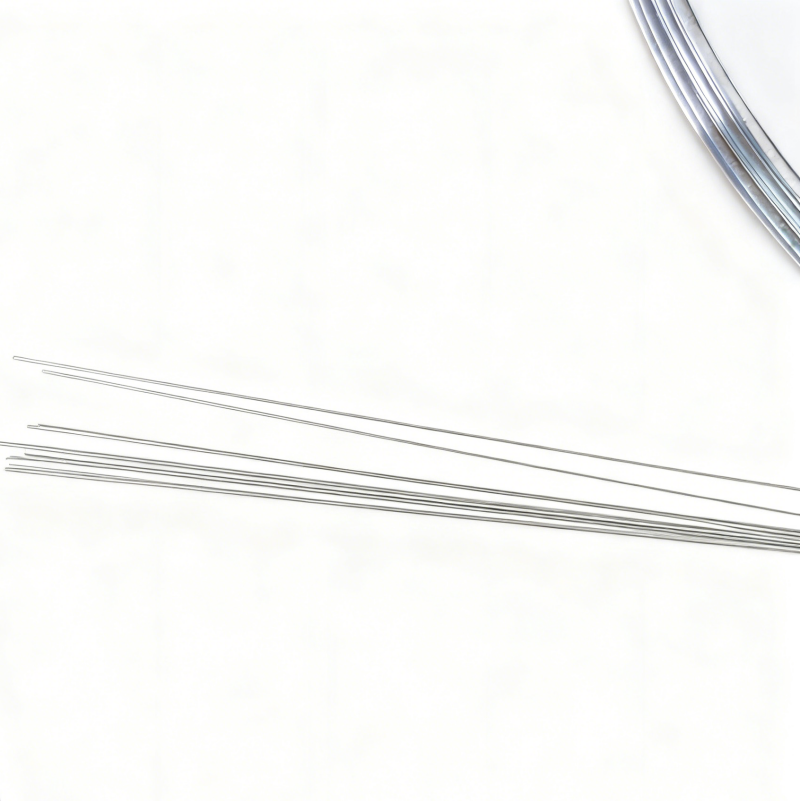
Nitinol is a shape memory alloy that has transformed modern engineering and medical technology. Composed of nearly equal parts nickel and titanium, nitinol is a shape memory material that can return to a pre-defined form after being deformed, simply by applying heat or allowing it to reach a specific temperature threshold. This remarkable behavior is rooted in a solid-state phase transformation between two crystal structures: the high-temperature austenite phase and the low-temperature martensite phase. When nitinol is a shape memory alloy transitions between these phases, it either recovers its original shape or generates significant mechanical force, making it one of the most versatile smart materials available today. Beyond shape memory, nitinol also exhibits superelasticity, meaning it can undergo large elastic deformations at constant temperature and spring back without permanent distortion. This dual functionality sets nitinol apart from conventional metals and alloys. The material is also highly biocompatible, corrosion-resistant, and fatigue-tolerant, which makes it ideal for long-term use in demanding environments. In the medical field, nitinol is a shape memory enabler for minimally invasive devices such as stents, guidewires, orthodontic archwires, and surgical tools. In aerospace and robotics, it serves as an actuator that replaces bulky motors and complex mechanical systems. The automotive and consumer electronics industries also leverage nitinol for compact, reliable switching and actuation mechanisms. Its ability to perform repeatable, precise movements without electrical motors or hydraulic systems gives engineers a powerful tool for designing lighter, simpler, and more efficient products. As manufacturing techniques improve and costs decrease, nitinol is a shape memory platform that continues to expand into new sectors, driving innovation across healthcare, defense, industrial automation, and beyond. Understanding its core properties is the first step toward unlocking its full potential in any application.

New Product Releases

Nitinol is a shape memory alloy that delivers a set of practical benefits no conventional metal can match, and those benefits translate directly into real-world value for engineers, designers, and end users alike. First, the self-recovery capability means that a nitinol component can be bent, compressed, or stretched and then return to its original geometry on its own when temperature conditions are met. This eliminates the need for manual resetting, reduces maintenance time, and lowers the total cost of ownership over a product's lifetime. Second, nitinol is a shape memory material that also behaves superelastically at body temperature, which is why medical device manufacturers rely on it so heavily. A stent made from nitinol can be compressed into a thin catheter, guided through narrow blood vessels, and then expand automatically once deployed, conforming precisely to the vessel wall without any external activation. This saves surgical time, reduces patient trauma, and improves procedural outcomes. Third, the material is exceptionally biocompatible. It does not trigger immune responses or corrode inside the human body, making it safe for permanent implants and long-term medical devices. Patients benefit from devices that last longer and perform more reliably without requiring replacement surgeries. Fourth, nitinol is a shape memory solution that replaces complex mechanical assemblies. Where a traditional system might need motors, gears, springs, and sensors working together, a single nitinol element can perform the same function with fewer parts, less weight, and greater reliability. This simplification reduces manufacturing costs and assembly time while improving product durability. Fifth, the fatigue resistance of nitinol is outstanding. It can cycle through its shape transformation millions of times without cracking or losing performance, which is critical for applications like heart valves, actuators, and vibration dampers that must operate continuously over years. Sixth, nitinol is a shape memory platform that gives designers geometric freedom. It can be drawn into wires, cut into tubes, stamped into flat sheets, or formed into complex three-dimensional structures, adapting to virtually any design requirement. This flexibility accelerates product development and opens doors to innovative form factors that rigid metals simply cannot achieve. Seventh, because nitinol actuates through temperature change rather than electricity, it can function in environments where electrical systems would fail or pose safety risks, such as in flammable atmospheres or underwater applications. The combination of these advantages makes nitinol a shape memory alloy that consistently outperforms alternatives when reliability, compactness, and biological compatibility are priorities.

Practical Tips

Why is phase transition stability of nickel titanium wire key to actuator success?

13

May

Why is phase transition stability of nickel titanium wire key to actuator success?

In the world of precision actuators, the materials used to generate motion are not merely components — they are the foundation of reliability. nickel titanium wire has emerged as one of the most compelling active materials in modern actuator engineer...
View More
Why do full-chain manufacturers provide a more stable supply of SMA wire?

14

May

Why do full-chain manufacturers provide a more stable supply of SMA wire?

In industrial and medical procurement, supply chain reliability is not a luxury — it is a fundamental requirement. When sourcing SMA wire, the type of manufacturer you partner with has a direct and measurable impact on delivery consistency, material ...
View More
How to identify high-quality Nitinol sources with a 21-year background?

01

Jun

How to identify high-quality Nitinol sources with a 21-year background?

Sourcing Nitinol for industrial, medical, or specialty applications is not a decision that should be made lightly. Nitinol, the nickel-titanium shape memory alloy renowned for its superelastic behavior and thermal responsiveness, demands a level of m...
View More
Why should you prioritize the manufacturer's R&D center when choosing partners?

02

Jun

Why should you prioritize the manufacturer's R&D center when choosing partners?

When evaluating potential manufacturing partners, most procurement teams focus on price, lead time, and production capacity. These are legitimate criteria, but they often overlook one of the most telling indicators of long-term value: the strength an...
View More

Get a Free Quote

Our representative will contact you soon.
Email
Name
Company Name
Message
0/1000

nitinol is a shape memory

Precision Shape Recovery That Works Without Motors or Electronics

Precision Shape Recovery That Works Without Motors or Electronics

One of the most compelling reasons engineers choose nitinol is a shape memory alloy for their projects is its ability to recover a precise, pre-programmed shape without any motor, gear, or electronic control system. This behavior stems from a reversible phase transformation at the atomic level. When the alloy cools below its transformation temperature, it enters the martensite phase, which is soft and easily deformed. When it warms above the transformation temperature, it snaps back into the austenite phase and recovers its original geometry with remarkable accuracy. The transformation temperature can be tuned during manufacturing by adjusting the nickel-to-titanium ratio, allowing engineers to set the activation point anywhere from well below freezing to above body temperature, depending on the application. This tunability is a major engineering advantage because it means the same fundamental material can serve radically different use cases simply by changing its composition. In robotics, nitinol is a shape memory actuator that replaces servo motors in applications where weight and space are critical constraints. A thin nitinol wire can lift loads many times its own weight, contract smoothly, and release without any mechanical wear on gears or bearings. In aerospace, nitinol-based actuators control wing morphing, vibration damping, and deployment mechanisms in satellites and unmanned vehicles, where every gram saved translates into mission performance. In consumer products, nitinol is a shape memory element used in eyeglass frames that spring back after being bent, thermostatic valves that open and close based on fluid temperature, and fasteners that tighten automatically when heated during assembly. The precision of shape recovery also matters in medical devices. An orthodontic archwire made from nitinol applies a gentle, continuous force to teeth as it tries to return to its straight pre-set shape, reducing patient discomfort compared to traditional stainless steel wires that require frequent manual tightening. Every one of these applications benefits from the same core property: a reliable, repeatable, motor-free actuation mechanism that simplifies system design, reduces part count, and improves long-term performance. For any engineer looking to build smarter, lighter, and more dependable products, nitinol is a shape memory technology that delivers measurable results.
Superelasticity That Protects Devices and Patients Under Extreme Stress

Superelasticity That Protects Devices and Patients Under Extreme Stress

Beyond its shape memory effect, nitinol is a shape memory alloy that also exhibits superelasticity, a property that makes it uniquely suited for applications where components must endure large deformations repeatedly without taking on permanent damage. Superelasticity occurs when nitinol is stressed at a temperature above its transformation point. Instead of plastically deforming like steel or aluminum, the alloy undergoes a stress-induced phase transformation from austenite to martensite, absorbs the mechanical energy, and then reverses the transformation and returns to its original shape when the stress is removed. The result is a material that can stretch or compress by up to eight percent strain and fully recover, far exceeding the elastic limits of any conventional structural metal. This property has profound implications for medical device design. Cardiovascular stents made from nitinol are deployed in arteries that pulse with every heartbeat, subjecting the device to millions of cyclic deformations over a patient's lifetime. A stainless steel stent would fatigue and fracture under these conditions, but a nitinol stent absorbs each pulse elastically and recovers without accumulating damage. The same logic applies to inferior vena cava filters, spinal implants, and bone staples, all of which must flex with the body rather than fight against it. In sports and consumer goods, superelastic nitinol is a shape memory material used in golf club shafts, bicycle components, and flexible eyeglass hinges that survive accidental bending that would permanently deform conventional metal parts. This durability reduces warranty claims, lowers replacement costs, and builds customer trust in the product. In industrial settings, superelastic nitinol components act as passive vibration isolators and shock absorbers, protecting sensitive instruments from mechanical disturbances without requiring active control systems. The energy absorption capacity of nitinol also makes it valuable in seismic protection devices for buildings and bridges, where it can dissipate earthquake energy through repeated phase transformations. Choosing nitinol is a shape memory and superelastic solution that extends product life, reduces maintenance burdens, and protects both the device and the people who depend on it.
Biocompatibility and Corrosion Resistance That Make Long-Term Implants Possible

Biocompatibility and Corrosion Resistance That Make Long-Term Implants Possible

The medical industry demands materials that can live inside the human body for years or decades without causing harm, and nitinol is a shape memory alloy that meets this standard better than almost any other metal. Its biocompatibility comes from a stable titanium oxide layer that forms naturally on its surface, shielding the underlying nickel from direct contact with body fluids and tissues. This passive oxide layer is chemically inert, meaning it does not react with blood, bone, or soft tissue, and it does not leach ions at levels that trigger inflammation or toxicity under normal physiological conditions. Regulatory agencies around the world, including the FDA, have approved nitinol for use in permanent implantable devices, a testament to its established safety record. Corrosion resistance is equally important for devices that operate in the warm, saline environment of the human body. Nitinol is a shape memory material that resists pitting, crevice corrosion, and stress corrosion cracking far better than stainless steel, which can degrade over time and release metallic particles into surrounding tissue. This resistance extends the functional life of implants and reduces the risk of device-related complications that would otherwise require revision surgery. In practical terms, this means patients with nitinol stents, heart valve frames, or orthopedic staples can go years without needing device replacement, improving quality of life and reducing healthcare costs. Surgeons benefit from the predictable, consistent performance of nitinol components that do not change their mechanical properties as they age inside the body. Manufacturers benefit from a material with a well-documented regulatory pathway, reducing the time and cost of bringing new medical devices to market. Outside of medicine, the corrosion resistance of nitinol is a shape memory advantage in marine, chemical processing, and oil and gas environments where conventional metals fail prematurely. Subsea actuators, chemical valve components, and offshore fasteners made from nitinol outlast steel alternatives by significant margins, reducing downtime and replacement costs in industries where equipment failure carries enormous financial and safety consequences. The combination of biocompatibility, corrosion resistance, and long service life makes nitinol a shape memory material that earns its place in the most demanding applications on earth.
Nitinol Shape Memory Alloy: Properties, Benefits, and Applications

Get a Free Quote

Our representative will contact you soon.
Email
Name
Company Name
Message
0/1000
Newsletter
Please Leave A Message With Us