Nitinol Shape Setting Services: Advanced Shape Memory Alloy Manufacturing Solutions

Get a Free Quote

Our representative will contact you soon.
Email
Name
Company Name
Message
0/1000

nitinol shape setting

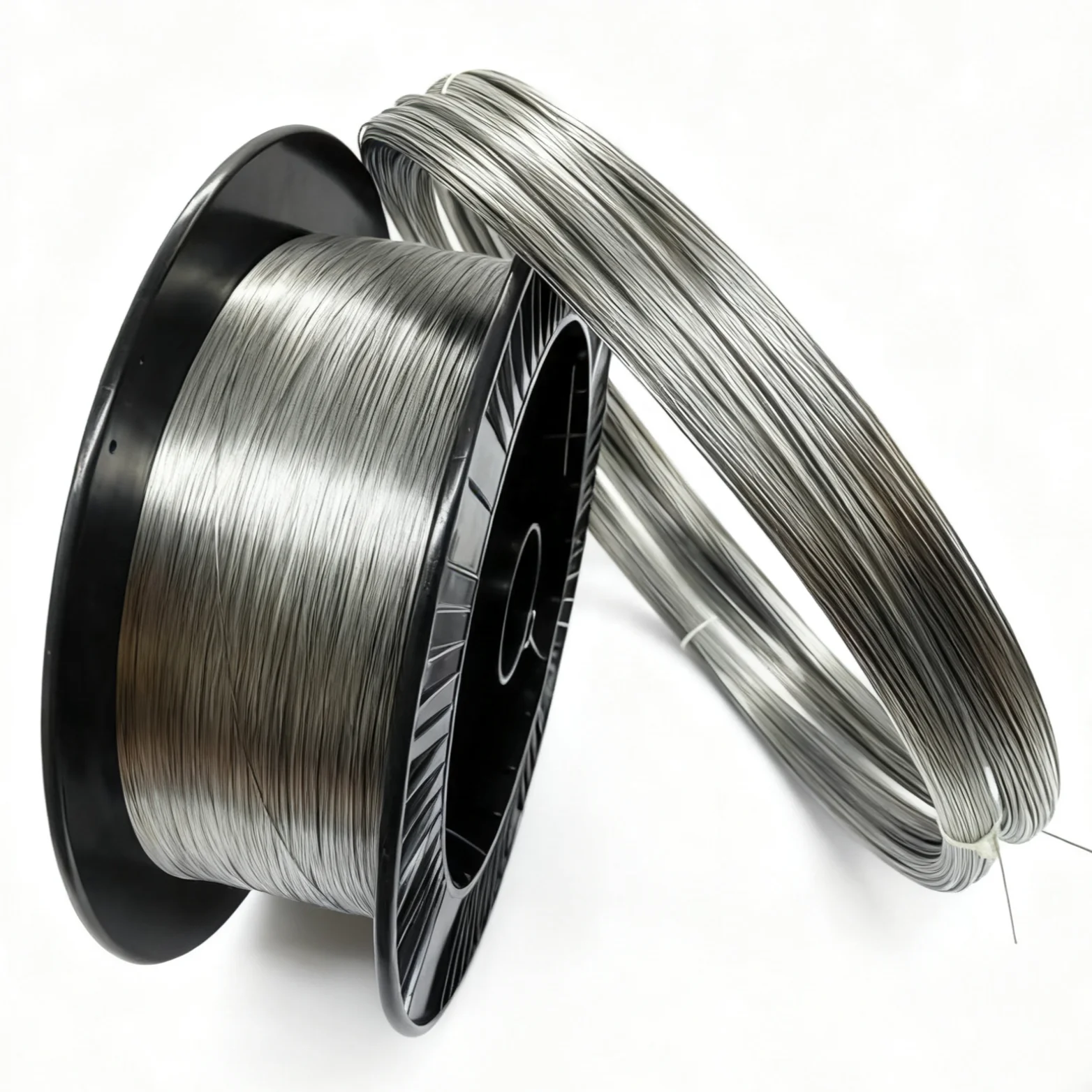
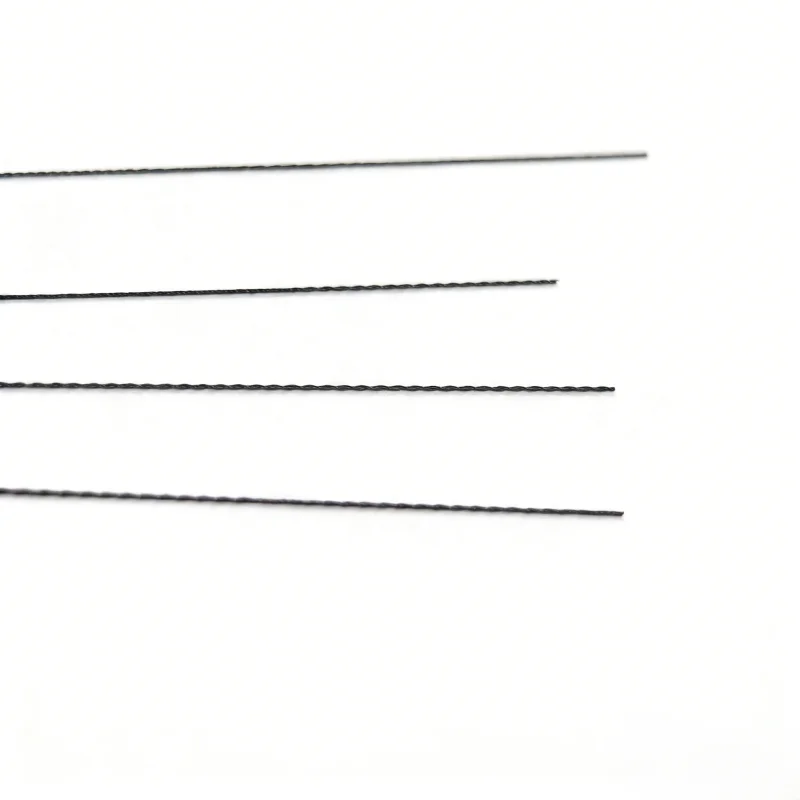
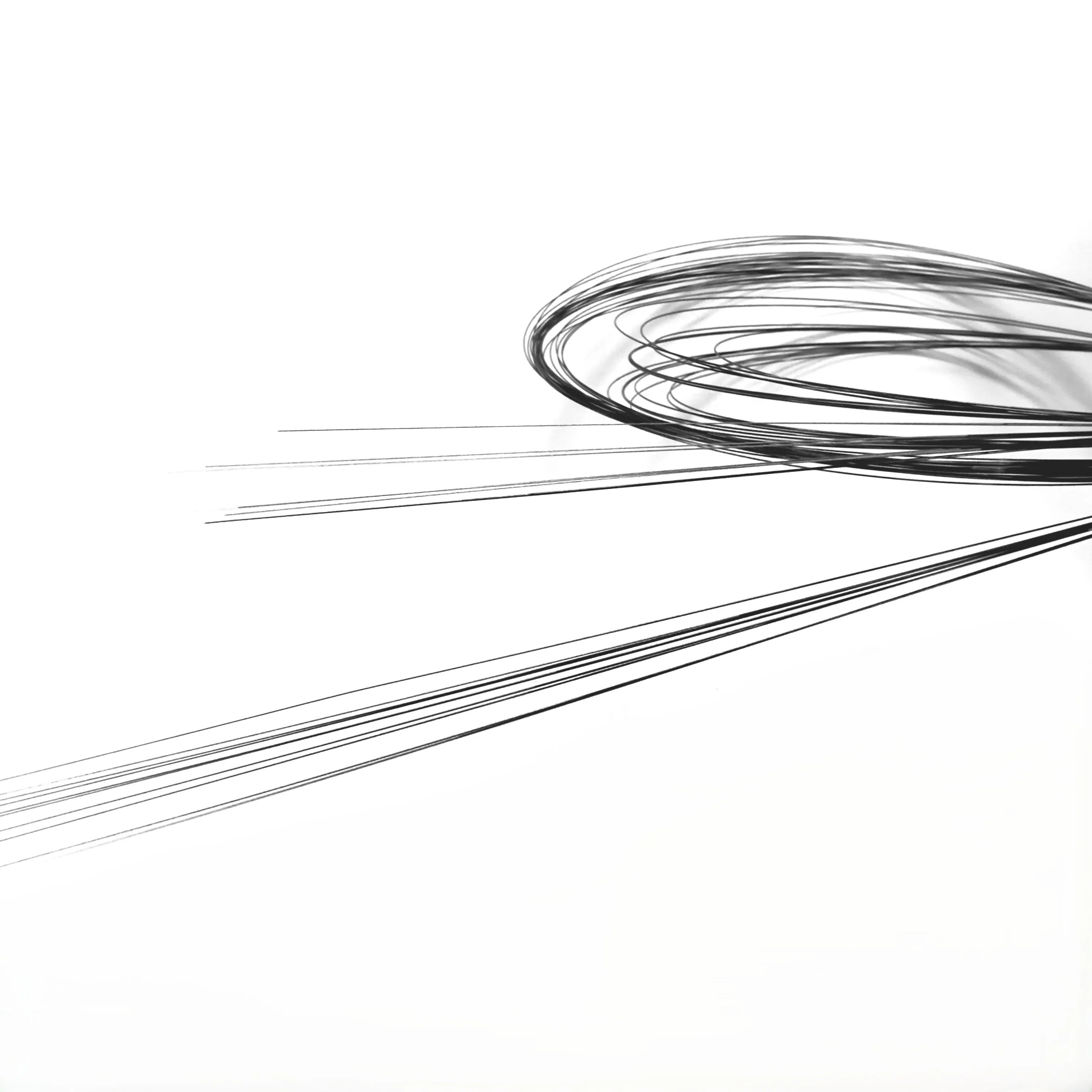
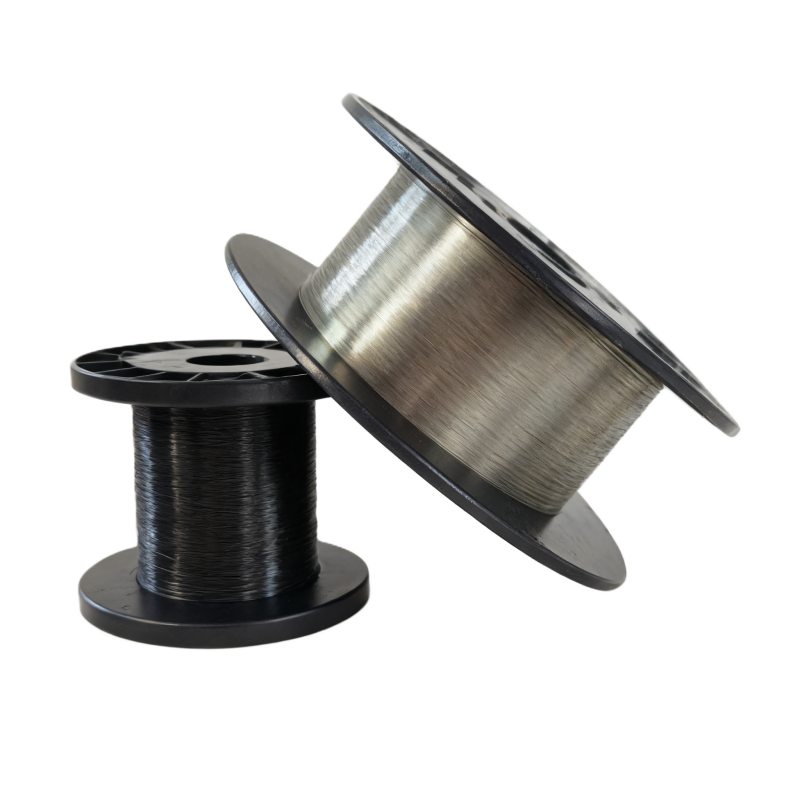
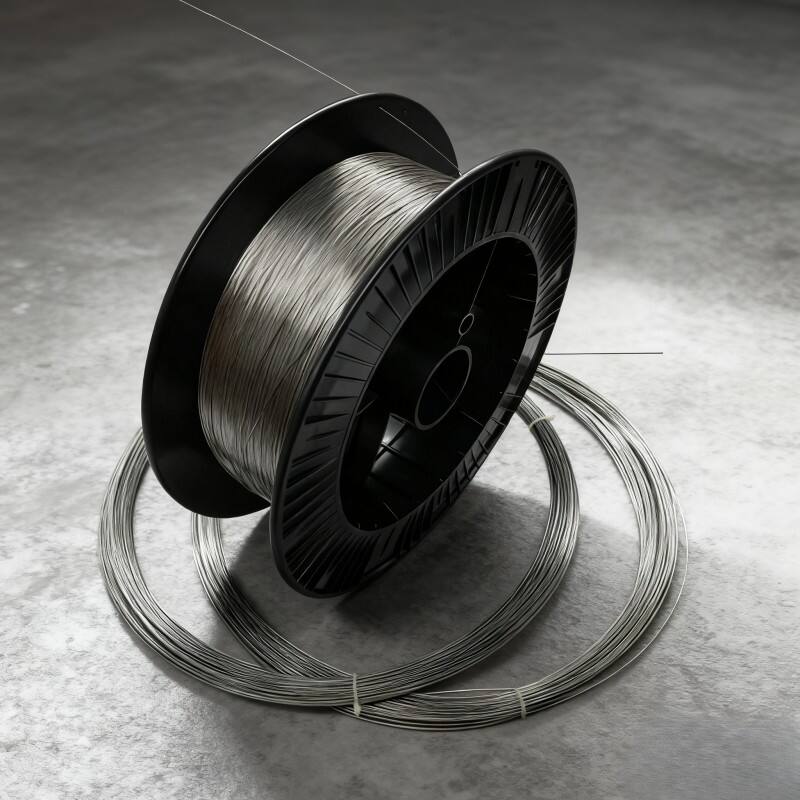
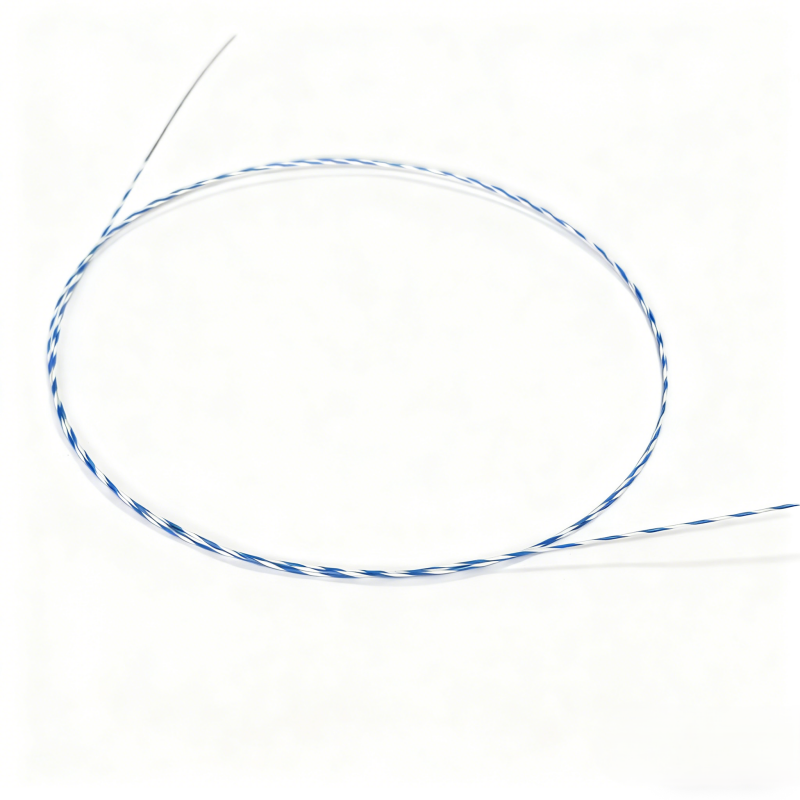
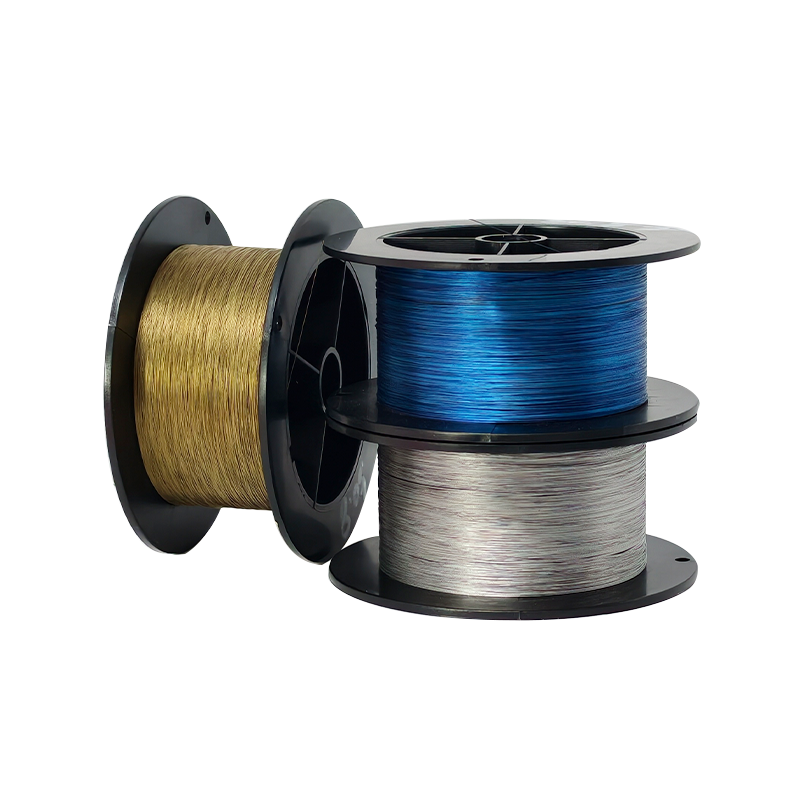
Nitinol shape setting represents a critical manufacturing process that permanently establishes the desired configuration of nickel-titanium alloy components through precise heat treatment procedures. This sophisticated technique leverages the unique metallurgical properties of nitinol, enabling manufacturers to program specific shapes into the material that can be reliably recalled through thermal activation or stress removal. The process involves constraining the nitinol component in a fixture that holds the desired final geometry, then subjecting it to carefully controlled elevated temperatures typically ranging from 400 to 550 degrees Celsius for predetermined durations. During nitinol shape setting, the material undergoes fundamental crystallographic transformations that lock in the programmed configuration at the atomic level, creating a shape memory effect that defines the material's behavior throughout its service life. The main functions of nitinol shape setting include establishing repeatable shape recovery characteristics, defining transformation temperatures, optimizing mechanical properties such as superelasticity, and ensuring dimensional stability under operational conditions. Technological features of this process encompass precise temperature control systems, specialized fixturing designed to maintain exact geometries during heat treatment, controlled atmosphere furnaces that prevent surface oxidation, and sophisticated cooling protocols that influence final material properties. The versatility of nitinol shape setting enables applications across diverse industries including medical device manufacturing where stents, guidewires, and orthodontic archwires rely on programmed shapes, aerospace engineering utilizing actuators and coupling devices, automotive systems employing temperature-sensitive control elements, and consumer electronics incorporating compact actuation mechanisms. The process parameters selected during nitinol shape setting directly influence critical performance characteristics such as transformation hysteresis, recovery stress levels, fatigue resistance, and long-term shape stability. Modern nitinol shape setting operations integrate advanced process monitoring, quality control protocols, and documentation systems that ensure consistent results across production batches while meeting stringent regulatory requirements for safety-critical applications.

New Product Recommendations

The nitinol shape setting process delivers substantial practical benefits that translate directly into enhanced product performance and manufacturing efficiency for businesses across multiple sectors. One primary advantage centers on design flexibility, as nitinol shape setting allows engineers to create complex three-dimensional geometries that would prove impossible or economically unfeasible with conventional materials and manufacturing methods. This capability enables product miniaturization while maintaining functional performance, particularly valuable in medical applications where smaller device profiles improve patient outcomes and reduce procedural invasiveness. The process provides exceptional dimensional accuracy, with properly executed nitinol shape setting achieving tolerances within micrometers, eliminating costly secondary machining operations and reducing material waste throughout production cycles. Cost efficiency emerges as another significant benefit, since nitinol shape setting consolidates multiple manufacturing steps into a single heat treatment process, reducing labor requirements, minimizing handling damage risks, and accelerating production throughput for high-volume applications. The reliability of nitinol shape setting ensures consistent mechanical behavior across manufactured units, eliminating performance variability that plagues alternative materials and processes, thereby reducing warranty claims and enhancing brand reputation in competitive markets. Durability advantages become apparent through the process's ability to optimize fatigue resistance, with properly shape-set nitinol components demonstrating millions of functional cycles without degradation, substantially extending product service life and reducing replacement costs for end users. The biocompatibility of nitinol remains uncompromised during shape setting when proper procedures prevent surface contamination, making these components ideal for long-term implantation without adverse tissue reactions or corrosion concerns that affect alternative metallic biomaterials. Temperature customization represents another practical advantage, as nitinol shape setting parameters can be adjusted to program specific activation temperatures matching application requirements, whether body temperature for medical implants or ambient temperature ranges for industrial actuators. The process enables functional integration, allowing single nitinol components to replace complex assemblies of multiple parts, springs, and linkages, thereby simplifying product architecture, reducing assembly time, and improving overall system reliability. Manufacturing scalability benefits businesses planning production expansion, since nitinol shape setting equipment and processes readily accommodate volume increases without proportional cost escalations, supporting business growth strategies. Quality assurance advantages stem from the process's measurable parameters and testable outcomes, facilitating regulatory compliance documentation for medical devices and other regulated products while providing objective verification of manufacturing consistency that satisfies customer quality requirements and industry standards.

Tips And Tricks

Why is high-stability Nitinol the first choice for equipment in extreme conditions?

12

May

Why is high-stability Nitinol the first choice for equipment in extreme conditions?

When equipment must perform reliably under mechanical stress, thermal cycling, and repeated deformation, material selection becomes a critical engineering decision. Nitinol, the nickel-titanium shape memory alloy, has earned a dominant position in de...
View More
Why do orthodontists prefer using orthodontic wire with shape memory?

15

May

Why do orthodontists prefer using orthodontic wire with shape memory?

In modern orthodontic practice, the materials used to move teeth are just as important as the clinical techniques applied. Among the many innovations that have transformed the field, orthodontic wire with shape memory stands out as one of the most cl...
View More
Why is Starspring's Nitinol metal at the forefront of the smart drive industry?

19

May

Why is Starspring's Nitinol metal at the forefront of the smart drive industry?

The smart drive industry is defined by its relentless demand for materials that can do more with less — components that respond intelligently to their environment, endure repeated mechanical cycles, and perform with precision in applications ranging ...
View More
How to identify high-quality Nitinol sources with a 21-year background?

01

Jun

How to identify high-quality Nitinol sources with a 21-year background?

Sourcing Nitinol for industrial, medical, or specialty applications is not a decision that should be made lightly. Nitinol, the nickel-titanium shape memory alloy renowned for its superelastic behavior and thermal responsiveness, demands a level of m...
View More

Get a Free Quote

Our representative will contact you soon.
Email
Name
Company Name
Message
0/1000

nitinol shape setting

Programmable Shape Memory for Intelligent Device Performance

Programmable Shape Memory for Intelligent Device Performance

The programmable shape memory capability enabled through nitinol shape setting stands as perhaps the most revolutionary characteristic distinguishing this technology from conventional manufacturing approaches. This feature allows engineers to literally encode intelligent behavior into metal components at the molecular level, creating devices that respond predictably to environmental stimuli without external power sources, control systems, or complex mechanical assemblies. During the nitinol shape setting process, the material's crystalline structure undergoes permanent reorganization that establishes a remembered configuration, which the component will autonomously return to when appropriate triggering conditions occur. This programmed intelligence manifests in multiple valuable ways across applications. In medical stents, nitinol shape setting creates devices that can be compressed into small delivery catheters for minimally invasive insertion, then automatically expand to their programmed diameter when deployed at the treatment site, conforming perfectly to vessel anatomy while maintaining constant radial force that prevents collapse. Orthodontic archwires benefit from shape memory programming that applies consistent corrective forces across temperature variations in the oral environment, generating gentle yet persistent tooth movement that accelerates treatment while improving patient comfort compared to stainless steel alternatives. Industrial applications leverage programmable shape memory for automatic assembly processes where components heated during joining operations automatically assume their final configurations, eliminating manual alignment steps and improving assembly accuracy. The customization potential of nitinol shape setting allows manufacturers to program different activation temperatures for specific applications, whether body temperature for biomedical implants, ambient temperature ranges for aerospace applications, or elevated temperatures for industrial safety devices. This temperature tailoring capability emerges directly from shape setting parameter selection, with higher setting temperatures generally producing higher activation temperatures in the finished component. The reliability of this programmed behavior proves exceptional, with properly shape-set nitinol components demonstrating consistent shape recovery through millions of thermal or mechanical cycles without degradation of the memory effect. This durability stems from the fundamental nature of the shape memory mechanism, which relies on reversible crystallographic phase transformations rather than mechanical deformation or material creep that limits conventional spring materials. For product designers, programmable shape memory eliminates traditional trade-offs between complexity and reliability, enabling sophisticated functional behaviors within elegantly simple component geometries that reduce manufacturing costs while enhancing performance capabilities that create competitive marketplace advantages.
Superelastic Properties for Superior Flexibility and Damage Resistance

Superelastic Properties for Superior Flexibility and Damage Resistance

The superelastic characteristics optimized through nitinol shape setting provide extraordinary mechanical performance advantages that fundamentally change what designers can achieve in applications requiring flexibility, damage resistance, and reliable mechanical function under extreme deformation conditions. Superelasticity describes nitinol's remarkable ability to undergo enormous elastic strains, typically eight to ten times greater than conventional metals, then completely recover its original shape upon stress removal without permanent deformation or material fatigue. This exceptional behavior originates from the stress-induced martensitic transformation that occurs in properly processed nitinol, and the nitinol shape setting process plays the crucial role in establishing the metallurgical conditions necessary for optimal superelastic response. The practical implications of superelasticity extend across numerous demanding applications where traditional materials simply cannot perform adequately. Medical guidewires manufactured using nitinol shape setting techniques navigate tortuous vascular pathways that would permanently kink stainless steel alternatives, allowing physicians to access previously unreachable treatment sites while reducing procedural complications and improving patient outcomes. Eyeglass frames incorporating superelastic nitinol components withstand extreme bending and twisting that would permanently deform or fracture conventional frame materials, delivering exceptional durability that reduces replacement frequency and enhances consumer satisfaction. In aerospace applications, superelastic nitinol components absorb impact energy and vibration through reversible deformation mechanisms that would cause plastic deformation or failure in aluminum or titanium parts, improving system reliability while reducing maintenance requirements. The nitinol shape setting process directly influences superelastic performance characteristics by controlling grain structure, precipitation states, and residual stress distributions within the material. Optimal shape setting protocols produce fine-grained microstructures with homogeneous transformation behavior, maximizing the recoverable strain capability while minimizing hysteresis between loading and unloading curves. The plateau stress characteristic of superelastic nitinol, which remains nearly constant across large strain ranges, provides unique design advantages for applications requiring consistent force output despite varying deflections, such as orthodontic appliances that maintain therapeutic force levels as teeth move throughout treatment. The fatigue resistance accompanying properly optimized superelasticity proves exceptional, with components enduring millions of deformation cycles without crack initiation or mechanical property degradation that limits alternative materials. This durability stems from the crystallographic nature of the deformation mechanism, which involves coordinated atomic movements rather than dislocation slip processes that accumulate damage in conventional metals. For manufacturers, superelasticity enabled through nitinol shape setting opens new product possibilities previously constrained by material limitations, supporting innovation strategies that differentiate offerings in competitive markets while delivering tangible performance benefits that justify premium positioning.
Biocompatibility and Corrosion Resistance for Medical Excellence

Biocompatibility and Corrosion Resistance for Medical Excellence

The exceptional biocompatibility and corrosion resistance characteristics of components produced through nitinol shape setting establish this technology as the preferred choice for advanced medical devices requiring long-term implantation or repeated exposure to physiological environments. Nitinol's biocompatibility rivals or exceeds that of traditional implant materials like stainless steel and cobalt-chromium alloys, while simultaneously offering superior mechanical properties that enable entirely new device categories and therapeutic approaches. The nitinol shape setting process plays a critical role in preserving and optimizing these biological performance characteristics by preventing surface contamination and establishing stable oxide layers that protect the underlying material from corrosion while presenting biologically inert interfaces to surrounding tissues. Properly executed nitinol shape setting occurs in controlled atmosphere furnaces or vacuum systems that prevent oxygen, nitrogen, or carbon contamination that could compromise biocompatibility or create brittle surface layers prone to particle generation. The resulting devices demonstrate excellent tissue compatibility with minimal inflammatory response, fibrous encapsulation, or adverse cellular reactions during long-term implantation studies spanning years of continuous exposure. Clinical experience with nitinol cardiovascular stents, inferior vena cava filters, orthopedic implants, and surgical instruments confirms the material's biological safety profile across diverse anatomical locations and patient populations. The corrosion resistance of shape-set nitinol proves particularly valuable in physiological environments where chloride ions, proteins, and varying pH conditions challenge material stability. Electrochemical testing demonstrates that properly processed nitinol exhibits passivity and corrosion resistance comparable to titanium, the gold standard for implant materials, with negligible metal ion release that eliminates concerns about systemic toxicity or local tissue reactions. This corrosion resistance directly translates to long-term mechanical reliability, as devices maintain their programmed shapes, superelastic properties, and structural integrity throughout extended implantation periods without degradation that affects alternative materials. The stable titanium oxide surface layer that forms on nitinol during shape setting and subsequent processing provides inherent antimicrobial properties that reduce infection risks, particularly valuable for devices that cross skin barriers or reside in potentially contaminated anatomical spaces. For dental and orthodontic applications, nitinol shape setting enables components that resist corrosion despite continuous exposure to saliva, food acids, and oral bacteria that rapidly degrade lesser materials, ensuring consistent therapeutic force delivery throughout extended treatment periods. Regulatory acceptance of nitinol for medical applications stems from extensive biocompatibility testing according to ISO standards, with properly processed material consistently demonstrating compliance with the most stringent requirements for permanent implants. The manufacturing controls inherent in modern nitinol shape setting operations, including process validation, batch traceability, and documented quality systems, support regulatory submissions and inspections required for medical device approvals across global markets. For medical device manufacturers, the combination of biocompatibility, corrosion resistance, and unique functional properties available through nitinol shape setting creates opportunities to develop innovative products addressing unmet clinical needs while meeting rigorous safety standards that protect patients and support successful commercialization strategies in highly regulated healthcare markets.
Nitinol Shape Setting Services: Advanced Shape Memory Alloy Manufacturing Solutions

Get a Free Quote

Our representative will contact you soon.
Email
Name
Company Name
Message
0/1000
Newsletter
Please Leave A Message With Us