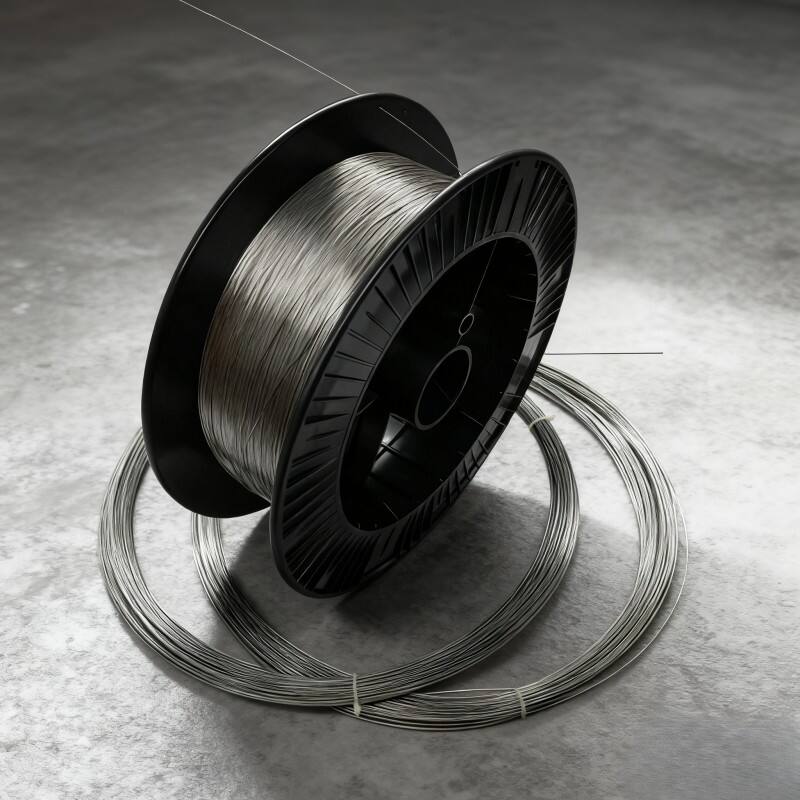
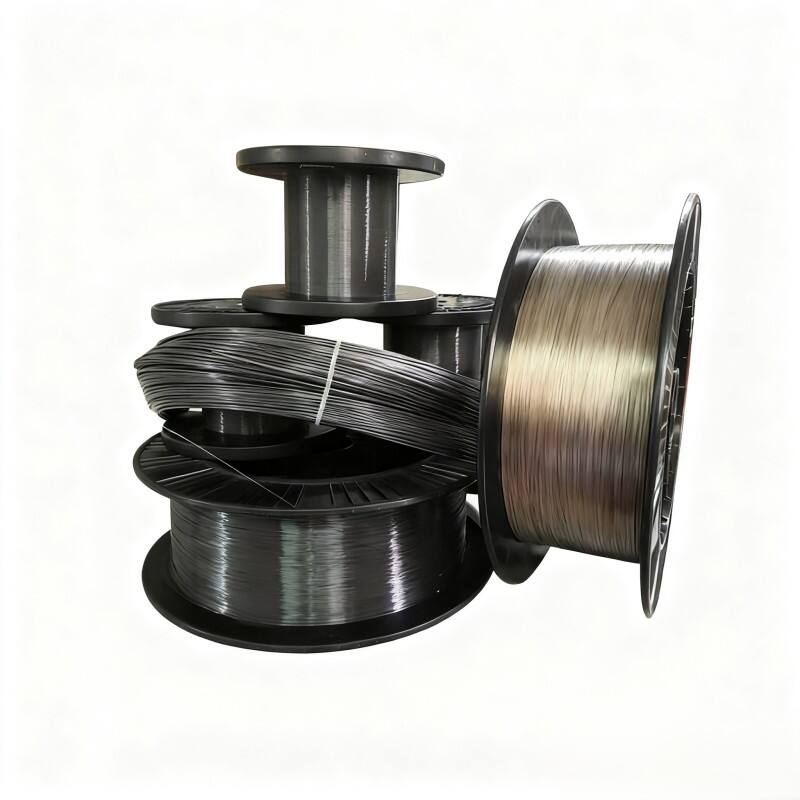
shape memory effect of nitinol
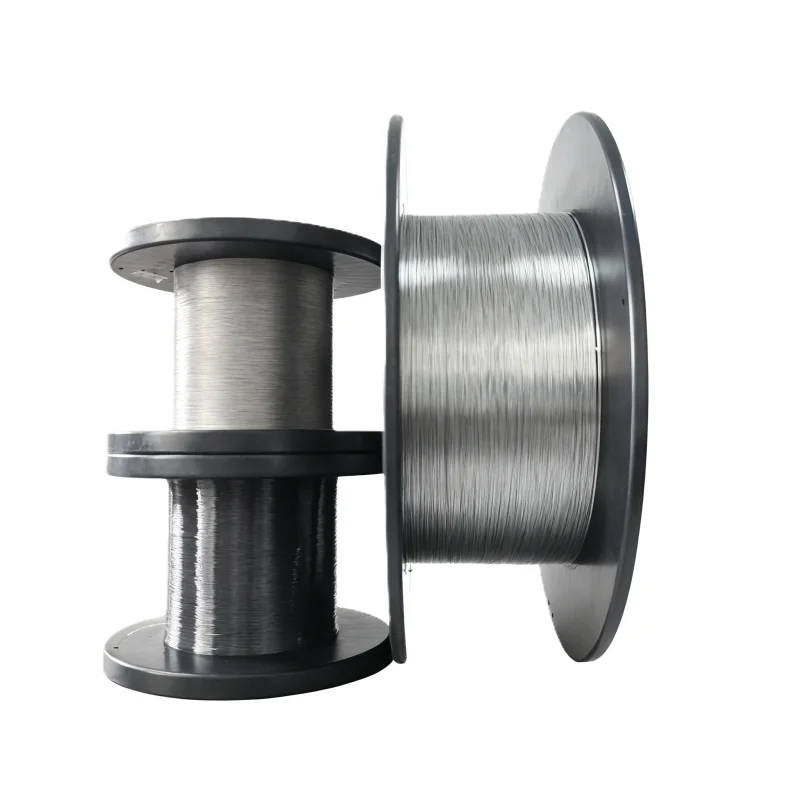
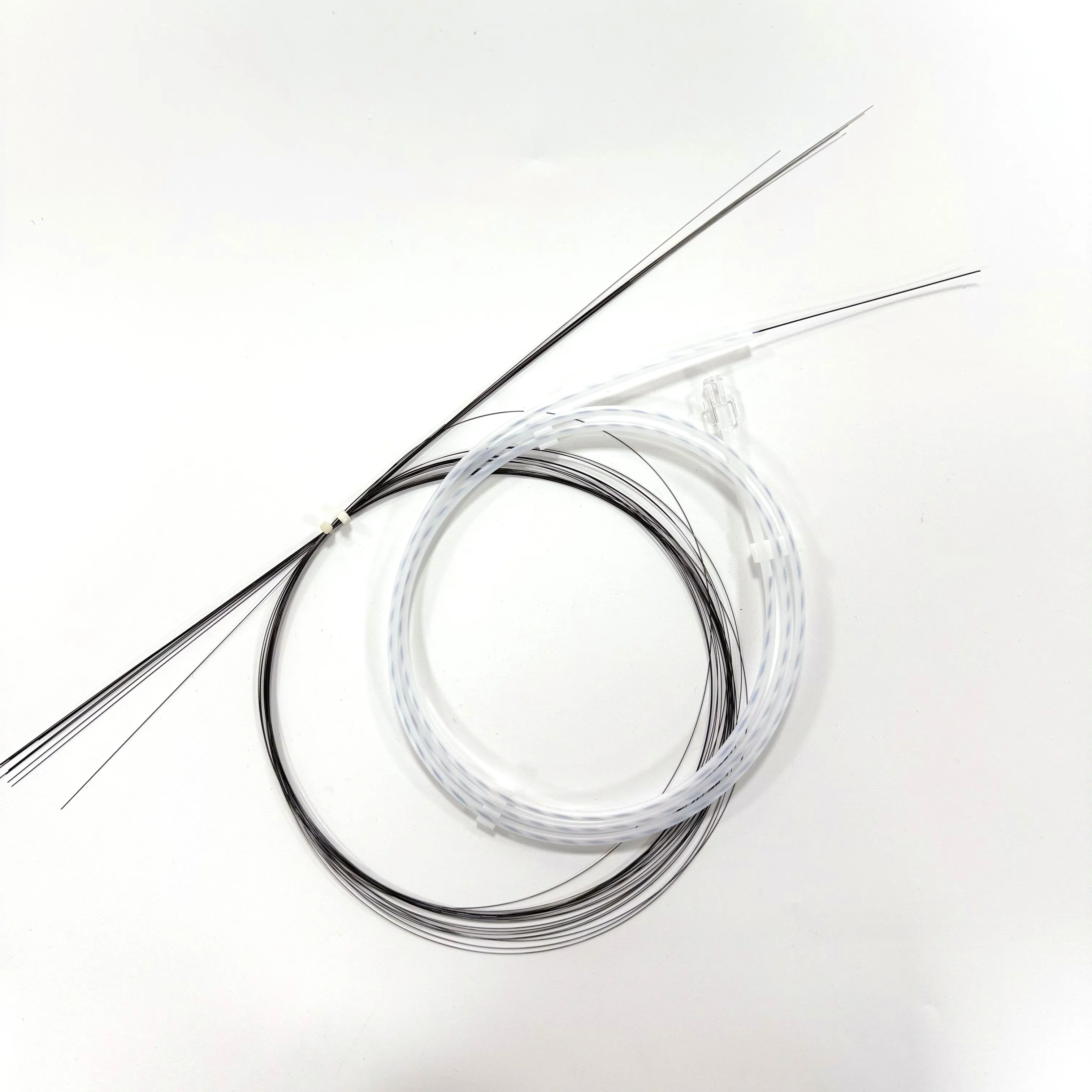
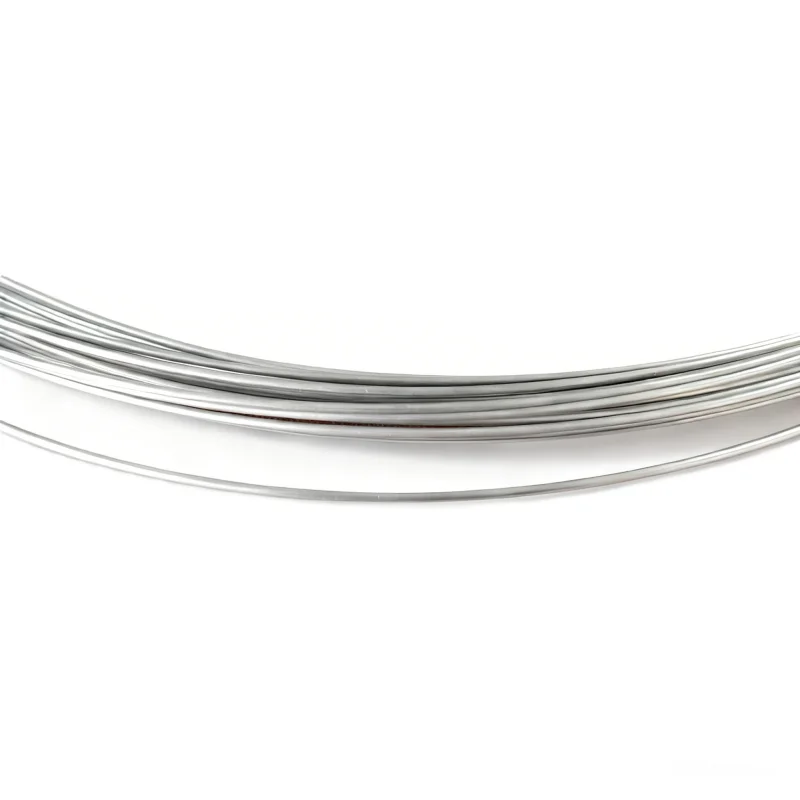
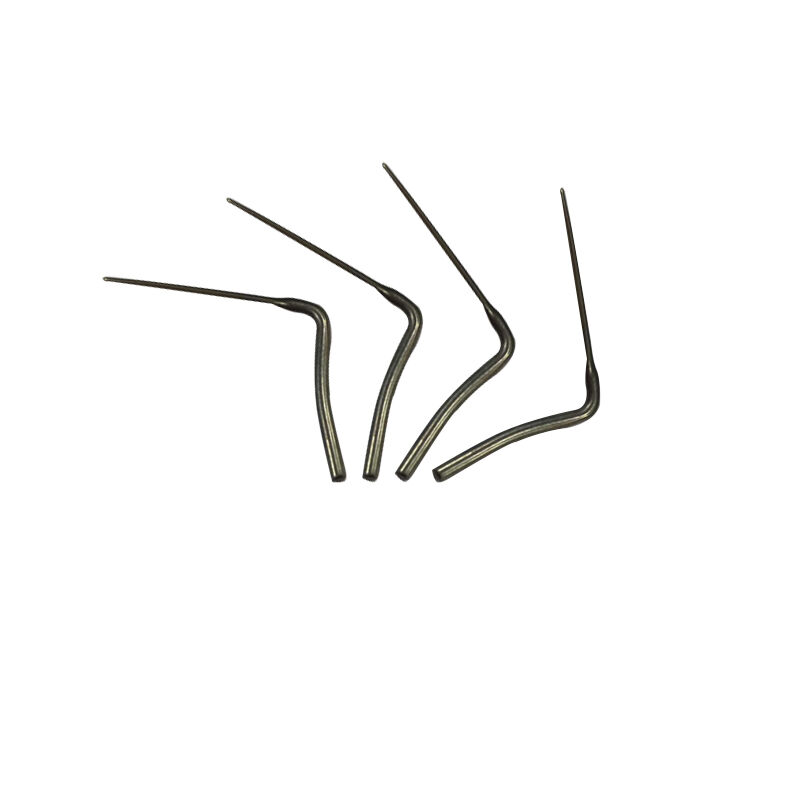
The shape memory effect of nitinol represents one of the most fascinating phenomena in material science, where this unique nickel-titanium alloy can remember and return to its original shape after deformation when exposed to specific temperature changes. Nitinol, composed of approximately equal parts nickel and titanium, exhibits this remarkable property through a reversible solid-state phase transformation between its martensite and austenite crystal structures. At lower temperatures, the material exists in its martensite phase, making it soft and easily deformable. When heated above its transformation temperature, the shape memory effect of nitinol triggers a structural change to the austenite phase, causing the material to recover its pre-programmed shape with considerable force. This transformation occurs within a specific temperature range, typically between negative forty and one hundred degrees Celsius, depending on the alloy composition. The main functions of this effect include controlled actuation, thermal sensing, and mechanical adaptation in various environments. Technological features that distinguish the shape memory effect of nitinol include its biocompatibility, corrosion resistance, and ability to generate significant recovery stress during transformation. The material can withstand repeated cycling through its transformation without degradation, making it reliable for long-term applications. Engineers can program multiple shapes into nitinol through specialized heat treatment processes, enabling complex motion sequences. Applications span numerous industries, from medical devices like cardiovascular stents and orthodontic wires to aerospace components, robotics, and consumer electronics. In healthcare, the shape memory effect of nitinol enables minimally invasive procedures where devices can be inserted in a compact form and then expand to their functional shape inside the body. Industrial applications leverage this effect for temperature-responsive actuators, vibration damping systems, and adaptive structures that respond automatically to environmental conditions without external power sources.

 EN
EN