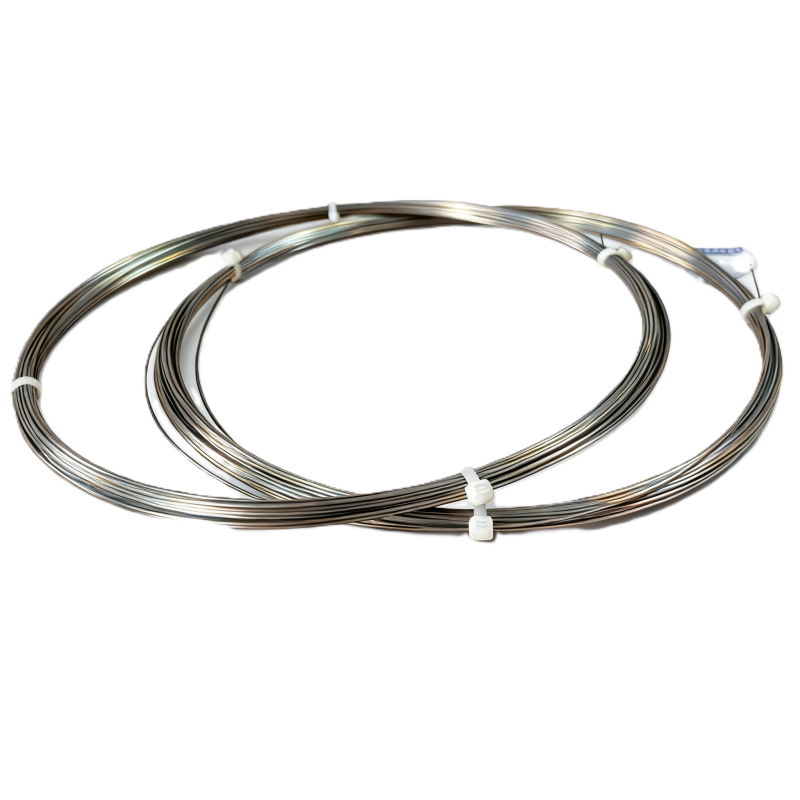
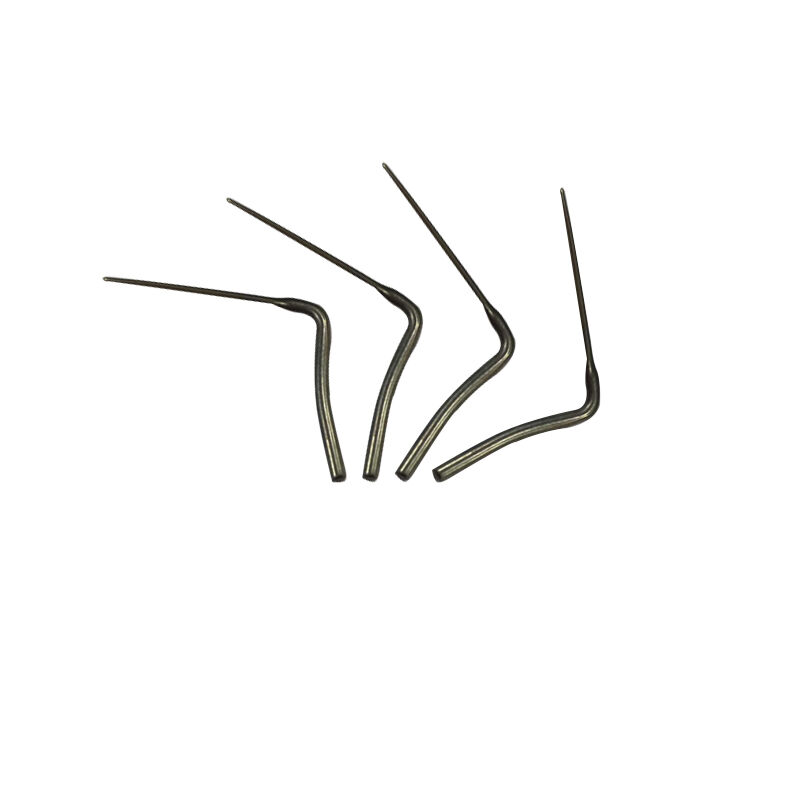
Nitinol SMA: Shape Memory Alloy Solutions for Medical, Industrial, and Aerospace Applications

Get a Free Quote

Our representative will contact you soon.
Email
Name
Company Name
Message
0/1000

nitinol sma

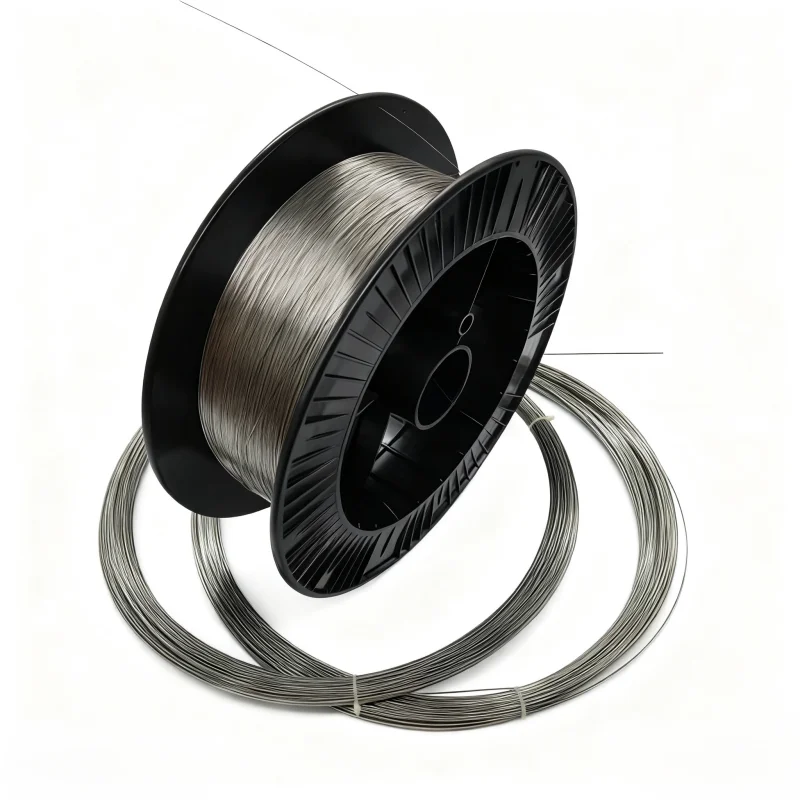
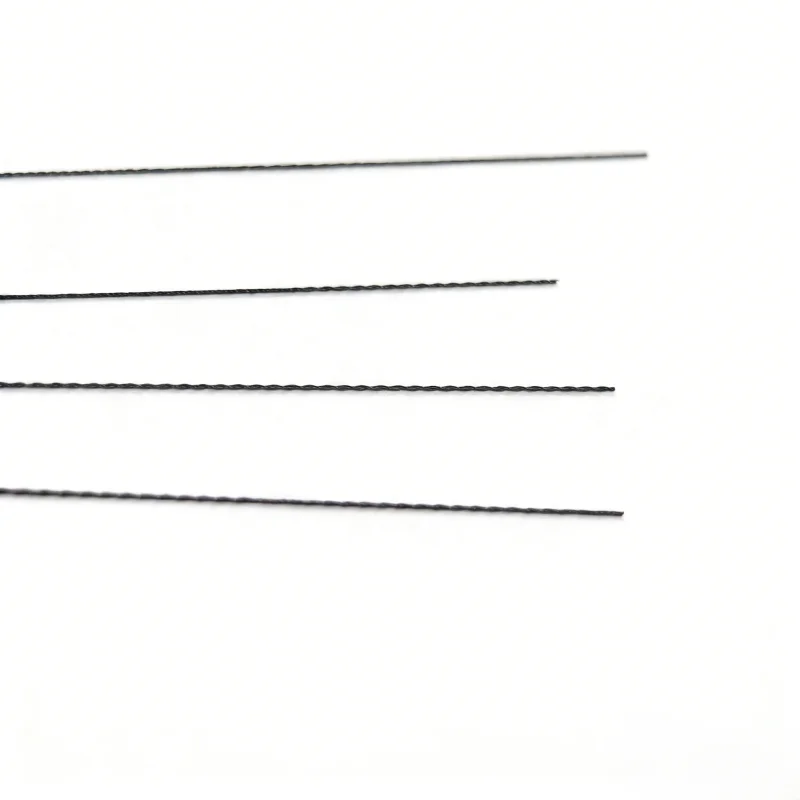
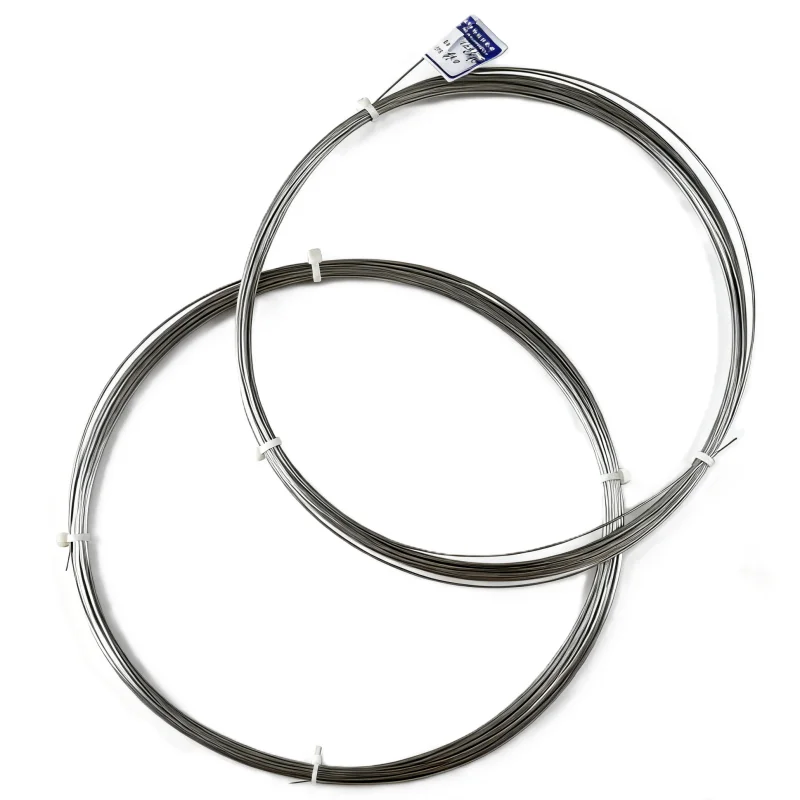
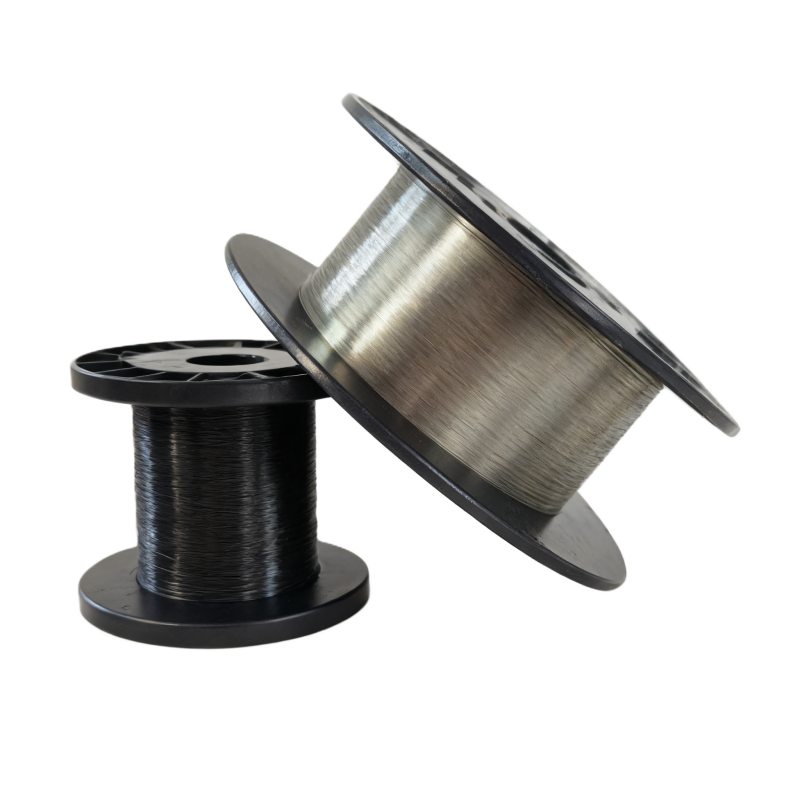
Nitinol SMA, short for Nickel-Titanium Shape Memory Alloy, is one of the most remarkable engineering materials developed in the twentieth century. First discovered at the Naval Ordnance Laboratory in the 1960s, nitinol SMA has since evolved into a cornerstone material across medical, aerospace, robotics, and consumer product industries. Its name is derived from its elemental composition, nickel and titanium, combined with the initials of the laboratory where it was first identified. What sets nitinol SMA apart from conventional metals is its ability to remember and return to a pre-defined shape after being deformed, a property known as the shape memory effect. Beyond this, nitinol SMA also exhibits superelasticity, meaning it can undergo significant deformation and spring back to its original form without any permanent damage once the applied stress is removed. These two core behaviors are driven by a reversible phase transformation between two solid-state crystal structures, austenite and martensite, which occur in response to changes in temperature or mechanical stress. The transition temperature can be precisely engineered during manufacturing, making nitinol SMA highly customizable for specific application requirements. From a technological standpoint, nitinol SMA offers a unique combination of biocompatibility, corrosion resistance, and fatigue strength that few other materials can match. In the medical field, nitinol SMA is widely used in stents, guidewires, orthodontic archwires, and surgical instruments because it can be inserted in a compressed state and expand to its functional shape at body temperature. In aerospace and robotics, nitinol SMA actuators serve as compact, lightweight alternatives to traditional motors and hydraulic systems. The material also finds use in eyeglass frames, mobile phone antennas, and safety devices. With ongoing research pushing the boundaries of its performance, nitinol SMA continues to open new frontiers in smart material technology, offering engineers and designers a versatile tool that bridges the gap between passive materials and active mechanical systems.


New Product Recommendations

Nitinol SMA delivers a set of practical benefits that make it stand out from conventional engineering materials, and understanding these advantages helps explain why so many industries have adopted it as a go-to solution for demanding applications. Here is a straightforward look at what nitinol SMA actually does for the people and businesses that use it. First, nitinol SMA gives you a material that moves on its own. When you heat nitinol SMA above its transition temperature, it returns to its memorized shape with real force. This means you can build actuators, clamps, and connectors that activate without motors, gears, or external power sources beyond a simple heat trigger. For product designers and engineers, this translates directly into simpler assemblies, fewer moving parts, and lower maintenance costs over the product lifetime. Second, nitinol SMA bounces back from extreme deformation. Thanks to its superelastic behavior, nitinol SMA can be bent, compressed, or stretched far beyond what stainless steel or titanium alloys can handle, and it returns to its original shape the moment the load is released. This makes it ideal for applications where repeated flexing is unavoidable, such as medical guidewires navigating through curved blood vessels or flexible hinges in wearable devices. You get durability without brittleness, which is a combination that most metals simply cannot offer. Third, nitinol SMA is safe inside the human body. Its biocompatibility means it does not trigger harmful reactions when implanted or used in contact with tissue. Medical device manufacturers rely on this property to build stents, filters, and orthopedic components that patients carry for years without adverse effects. This safety profile removes a major barrier to adoption in healthcare and reduces the regulatory complexity of getting new devices approved. Fourth, nitinol SMA resists corrosion in harsh environments. Whether exposed to saltwater, body fluids, or industrial chemicals, nitinol SMA maintains its structural integrity far better than many competing alloys. This corrosion resistance extends product life and reduces the frequency of replacement, which matters enormously in subsea equipment, medical implants, and outdoor consumer products. Fifth, nitinol SMA is lightweight. Compared to traditional actuator systems that rely on electric motors or hydraulic cylinders, nitinol SMA components achieve the same or greater work output at a fraction of the weight. For aerospace engineers and wearable technology developers, every gram saved has measurable value. Sixth, nitinol SMA is highly customizable. Manufacturers can tune the transition temperature of nitinol SMA across a wide range by adjusting the nickel-to-titanium ratio and applying specific heat treatments. This means you can design a component that activates at body temperature, room temperature, or elevated industrial temperatures, depending on exactly what your application demands. The combination of these advantages makes nitinol SMA a genuinely practical choice rather than just a technically impressive one. It solves real problems, reduces system complexity, and opens design possibilities that simply do not exist with conventional materials.

Latest News

Why is high-stability Nitinol the first choice for equipment in extreme conditions?

12

May

Why is high-stability Nitinol the first choice for equipment in extreme conditions?

When equipment must perform reliably under mechanical stress, thermal cycling, and repeated deformation, material selection becomes a critical engineering decision. Nitinol, the nickel-titanium shape memory alloy, has earned a dominant position in de...
View More
Why do full-chain manufacturers provide a more stable supply of SMA wire?

14

May

Why do full-chain manufacturers provide a more stable supply of SMA wire?

In industrial and medical procurement, supply chain reliability is not a luxury — it is a fundamental requirement. When sourcing SMA wire, the type of manufacturer you partner with has a direct and measurable impact on delivery consistency, material ...
View More
Why do full-process manufacturers provide higher performance Nitinol SMA?

20

May

Why do full-process manufacturers provide higher performance Nitinol SMA?

When engineers and procurement specialists evaluate materials for high-precision medical devices, aerospace components, or advanced actuator systems, the source of the material matters as much as the material itself. Nitinol SMA — the nickel-titanium...
View More
How to utilize one-way and two-way memory in precision medical components?

21

May

How to utilize one-way and two-way memory in precision medical components?

In the development of precision medical components, material intelligence is no longer a concept reserved for science fiction. nitinol wire has fundamentally changed how engineers and medical device designers approach the challenge of building compon...
View More

Get a Free Quote

Our representative will contact you soon.
Email
Name
Company Name
Message
0/1000

nitinol sma

Shape Memory Effect: Engineering That Responds to Temperature

Shape Memory Effect: Engineering That Responds to Temperature

The shape memory effect is the defining characteristic of nitinol SMA, and it is what first captured the attention of engineers and scientists decades ago. At its core, the shape memory effect means that nitinol SMA can be deformed at a low temperature, held in that new shape, and then returned precisely to its original programmed form simply by raising the temperature above a specific threshold. This behavior is not a surface-level phenomenon or a coating effect. It runs through the entire crystalline structure of the material. The mechanism behind it involves a reversible transformation between two phases. At lower temperatures, nitinol SMA exists in the martensite phase, which has a relatively soft and easily deformed crystal structure. When you apply stress to nitinol SMA in this phase, the crystal lattice accommodates the deformation by reorienting its internal structure rather than breaking bonds permanently. When you then heat the material above its austenite finish temperature, the crystal structure transforms back to the stiffer austenite phase, and in doing so, it pulls the material back to the shape it was trained to remember. The practical value of this effect is enormous. In medical devices, a nitinol SMA stent can be cooled, compressed into a thin catheter, navigated through narrow blood vessels, and then released at the target site where body heat triggers the expansion to its full functional diameter. No inflation balloon is needed, no mechanical deployment mechanism is required. The material does the work itself. In industrial applications, nitinol SMA couplings and fasteners can be installed in a deformed state and then heated to create a powerful, leak-proof joint. In consumer electronics, nitinol SMA springs and actuators enable compact mechanisms that respond to temperature changes in ways that traditional springs cannot replicate. What makes the shape memory effect in nitinol SMA especially valuable from a commercial standpoint is the ability to engineer the transition temperature with precision. By adjusting the ratio of nickel to titanium and applying controlled heat treatments during manufacturing, producers can set the activation temperature anywhere from well below zero to above one hundred degrees Celsius. This tunability means nitinol SMA can be matched to the exact thermal environment of any given application, whether that is the warmth of the human body, the heat of an engine compartment, or the ambient temperature of a specific geographic region. The shape memory effect in nitinol SMA is not a one-time trick. With proper design and processing, nitinol SMA components can cycle through the transformation thousands of times without significant degradation in performance, making them reliable over the long service lives that demanding applications require.
Superelasticity: Flexibility Without Permanent Deformation

Superelasticity: Flexibility Without Permanent Deformation

Superelasticity is the second major functional property of nitinol SMA, and in many commercial applications it is even more widely exploited than the shape memory effect. Superelasticity occurs when nitinol SMA is used at temperatures above its austenite finish temperature, meaning the material is in its austenite phase at rest. When you apply mechanical stress to nitinol SMA in this state, the stress itself triggers a localized transformation to martensite, allowing the material to accommodate very large strains, often up to eight percent, without any permanent deformation. The moment you remove the stress, the martensite reverts to austenite and the material springs back completely to its original shape. To put this in perspective, conventional stainless steel can only elastically recover from strains of about half a percent before it begins to deform permanently. Nitinol SMA in its superelastic state recovers from strains roughly sixteen times greater. This is not a marginal improvement. It is a fundamentally different class of mechanical behavior that enables entirely new product designs. In the medical device industry, superelastic nitinol SMA is the material of choice for guidewires, retrieval baskets, and embolic protection filters precisely because these devices must navigate tortuous anatomical pathways, bend sharply around corners, and then return to their functional geometry without kinking or taking a set. A kink in a guidewire during a cardiovascular procedure is a serious clinical problem. Nitinol SMA eliminates that risk in a way that no conventional metal wire can. In orthodontics, superelastic nitinol SMA archwires apply a gentle, continuous force to teeth over a wide range of deflection, which accelerates tooth movement and reduces patient discomfort compared to stainless steel wires that deliver high, uneven forces. In eyeglass frames, superelastic nitinol SMA allows the temples to be bent far out of their normal position and released without damage, a feature that has become a genuine selling point for premium eyewear brands. Beyond medical and consumer applications, superelastic nitinol SMA is finding growing use in civil engineering for seismic isolation devices, in robotics for compliant grippers that can handle fragile objects without crushing them, and in sporting goods where energy return and resilience are competitive advantages. The fatigue resistance of superelastic nitinol SMA under cyclic loading is another critical advantage. Components that flex repeatedly, such as heart valve frames or flexible drill bits used in endodontic procedures, must survive millions of cycles without cracking. Nitinol SMA has been shown to outperform competing alloys in rotary fatigue testing, which is one reason it has become the standard material for endodontic files used by dentists worldwide. Superelasticity in nitinol SMA is not just a material curiosity. It is a practical engineering solution that makes products safer, more durable, and more capable than what was previously achievable.
Biocompatibility and Corrosion Resistance: Built for Long-Term Reliability

Biocompatibility and Corrosion Resistance: Built for Long-Term Reliability

One of the most commercially significant properties of nitinol SMA is its exceptional biocompatibility combined with strong corrosion resistance. These two characteristics work together to make nitinol SMA the preferred material for implantable medical devices and for equipment used in chemically aggressive environments. Biocompatibility means that nitinol SMA does not provoke harmful biological responses when it comes into contact with living tissue or body fluids. This is not a trivial property. Many metals that are mechanically strong release ions or particles that trigger inflammation, allergic reactions, or toxic effects in the body. Nitinol SMA forms a stable titanium oxide layer on its surface that acts as a passive barrier, preventing the underlying nickel from leaching into surrounding tissue at harmful concentrations. This surface oxide layer is self-healing, meaning that if it is scratched or abraded, it reforms spontaneously in the presence of oxygen. The result is a material that the human body tolerates well over extended periods, which is why nitinol SMA is found in cardiovascular stents, inferior vena cava filters, septal occluders, and spinal implants that patients carry for years or even decades. Regulatory agencies including the FDA have approved numerous nitinol SMA devices, and the material has an established clinical track record that gives medical device manufacturers and their customers confidence in its long-term safety. Corrosion resistance extends the value of nitinol SMA well beyond the medical field. In marine environments, industrial processing equipment, and oil and gas applications, materials face constant exposure to saltwater, acids, and other corrosive agents. Nitinol SMA performs significantly better than many stainless steel grades in these conditions, maintaining its mechanical properties and surface integrity over time. This translates directly into longer service life, reduced maintenance intervals, and lower total cost of ownership for operators. The combination of biocompatibility and corrosion resistance also simplifies the sterilization of medical instruments made from nitinol SMA. The material withstands autoclaving, ethylene oxide treatment, and gamma irradiation without significant degradation, which is an important practical consideration for hospitals and device manufacturers managing reusable instruments. For customers evaluating nitinol SMA against competing materials, these properties represent a reduction in risk. Whether the concern is patient safety in a clinical setting, equipment failure in a corrosive industrial environment, or product liability in a consumer application, nitinol SMA provides a level of chemical and biological stability that supports confident, long-term deployment. The investment in nitinol SMA components pays back through reliability and longevity that cheaper or less capable materials cannot match.
Nitinol SMA: Shape Memory Alloy Solutions for Medical, Industrial, and Aerospace Applications

Get a Free Quote

Our representative will contact you soon.
Email
Name
Company Name
Message
0/1000
Newsletter
Please Leave A Message With Us