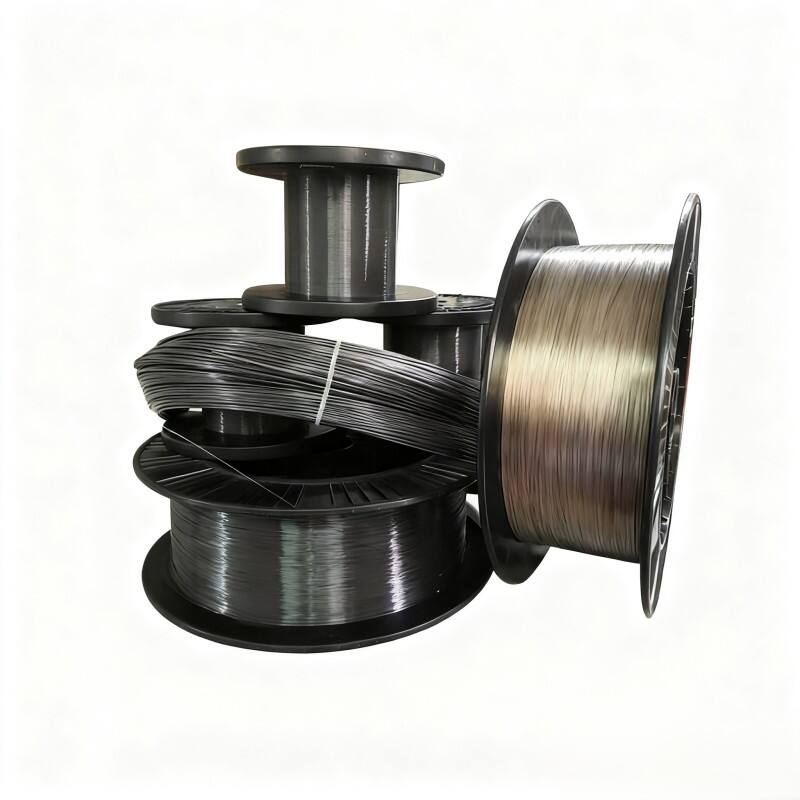
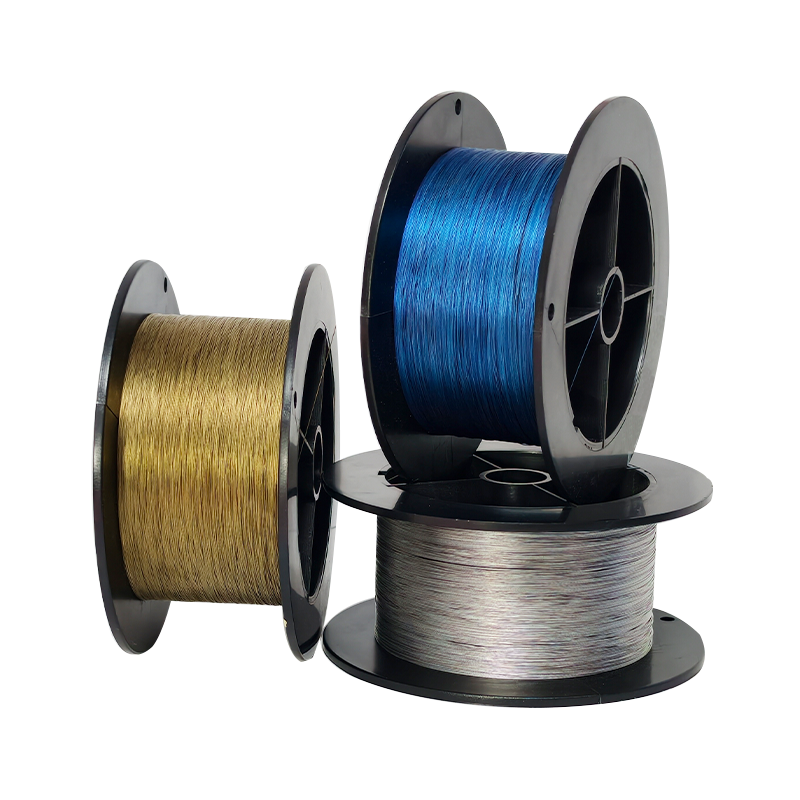
Nitinol Alloy: Shape Memory and Superelastic Solutions for Medical, Aerospace, and Industrial Applications

Get a Free Quote

Our representative will contact you soon.
Email
Name
Company Name
Message
0/1000

nitinol alloy

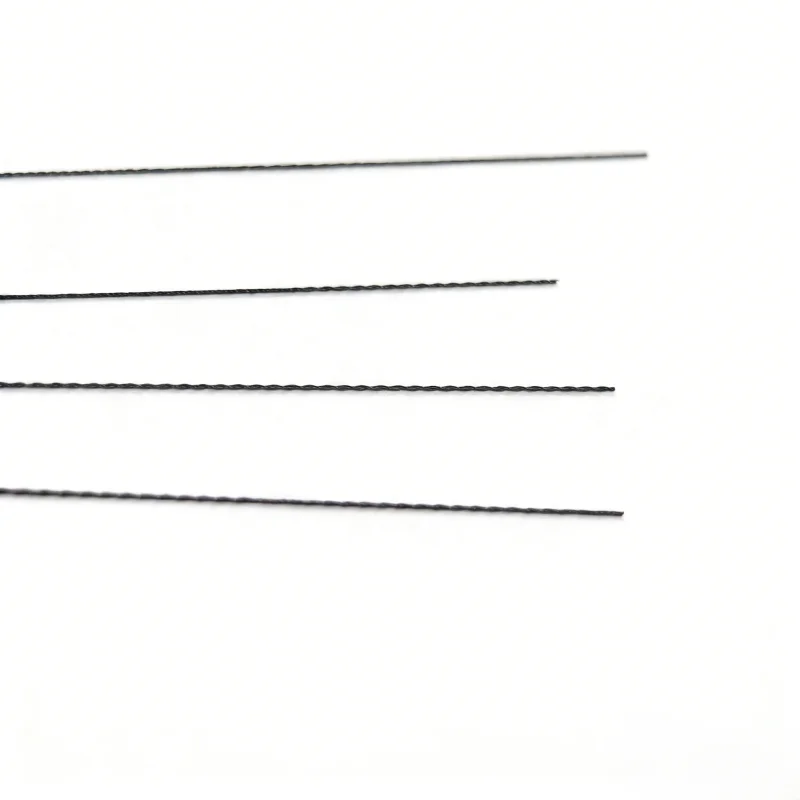
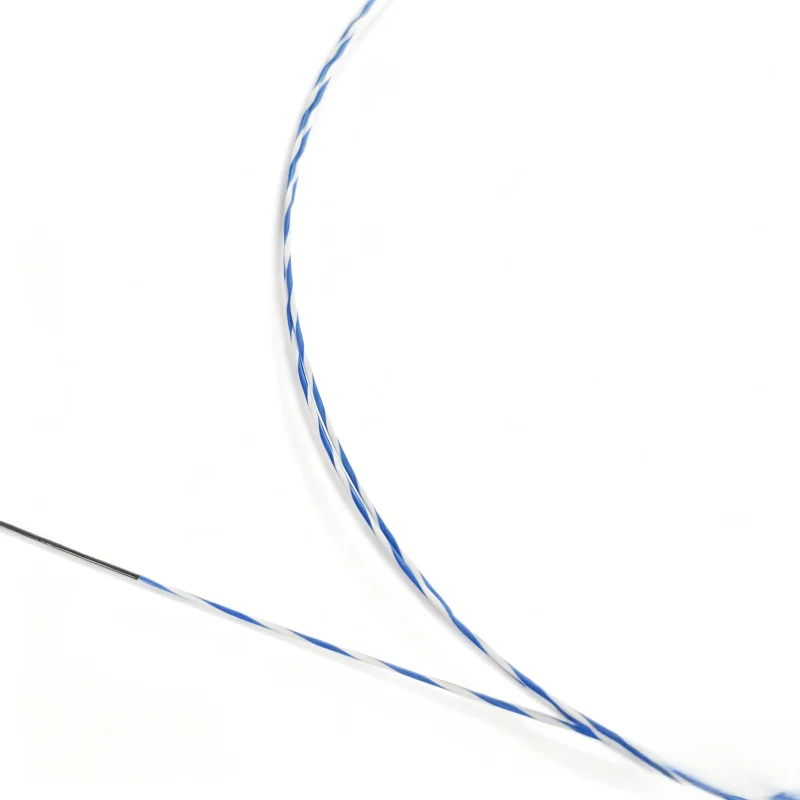
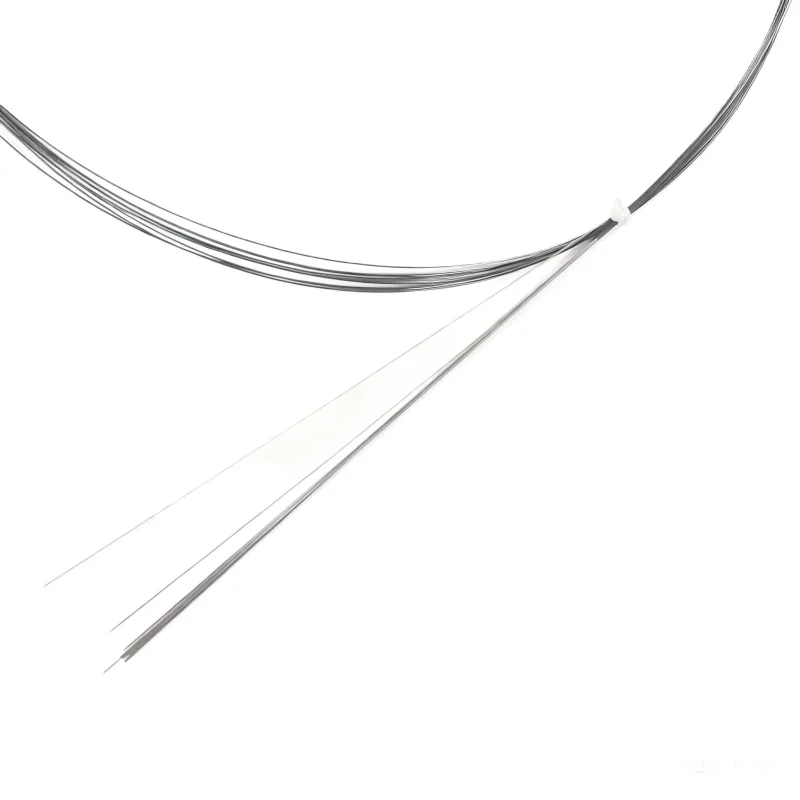
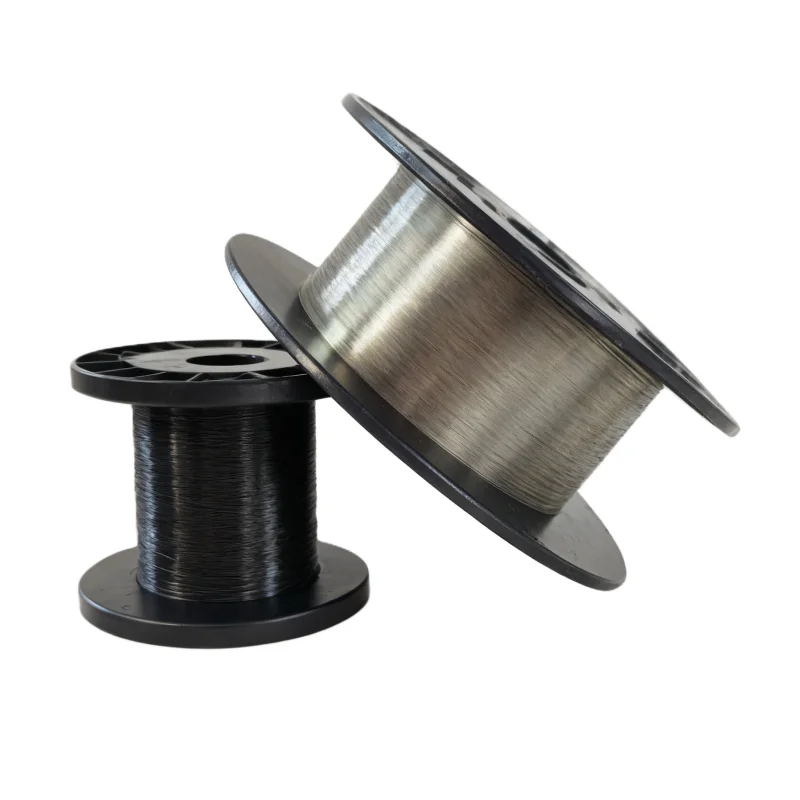
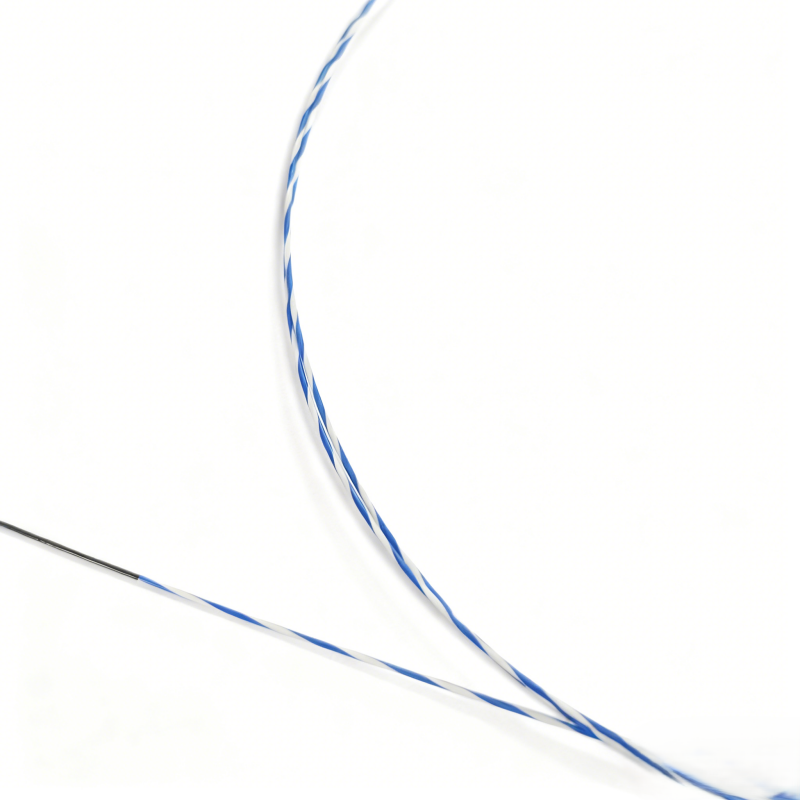
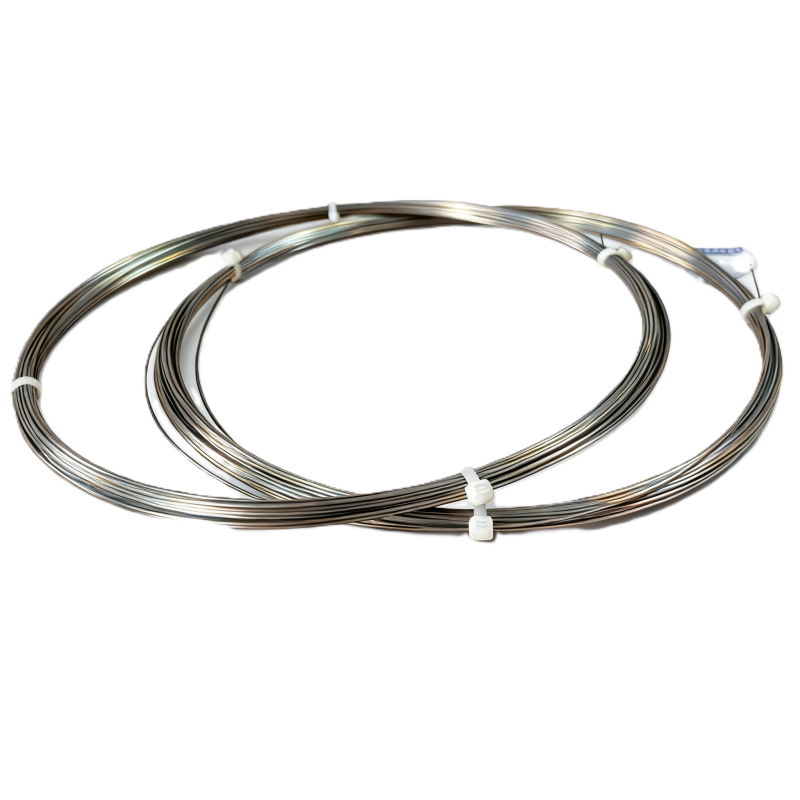
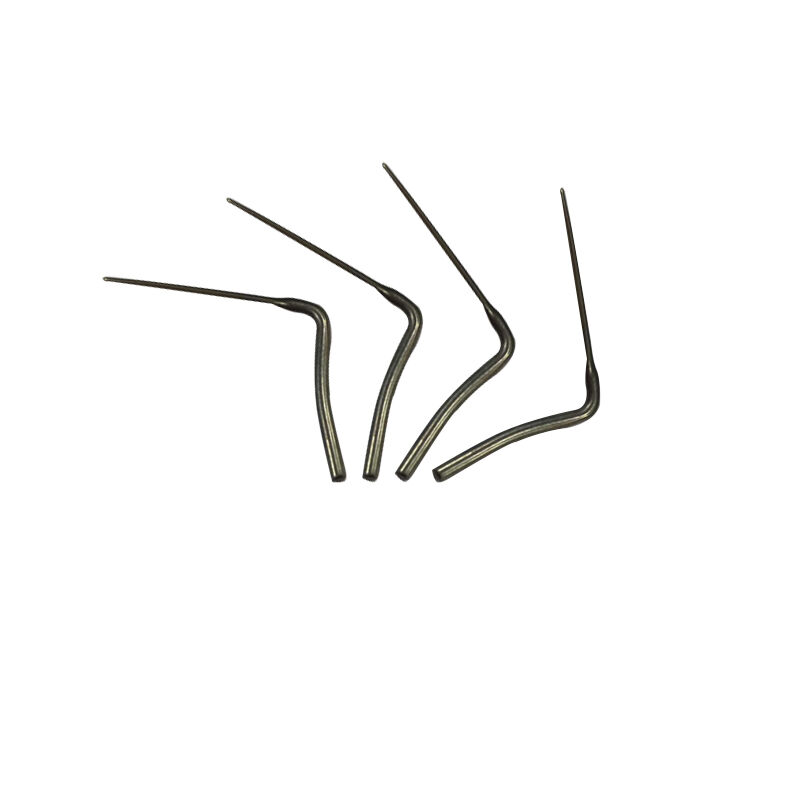
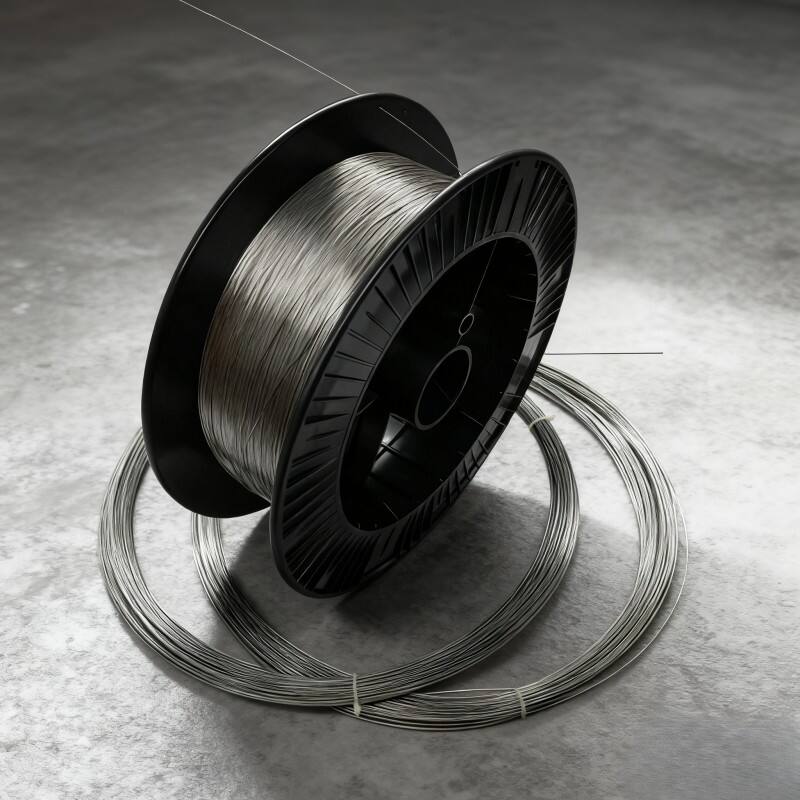
Nitinol alloy is a remarkable nickel-titanium shape memory alloy that has transformed modern engineering and medical technology since its discovery at the Naval Ordnance Laboratory in the 1960s. Composed of roughly equal atomic percentages of nickel and titanium, nitinol alloy exhibits two extraordinary properties that set it apart from virtually every other metal on the market: shape memory effect and superelasticity. These characteristics make nitinol alloy one of the most versatile and sought-after advanced materials in industries ranging from aerospace and robotics to minimally invasive surgery and consumer electronics. The shape memory effect allows nitinol alloy to return to a pre-programmed shape when heated above a specific transformation temperature, while superelasticity enables the material to undergo significant deformation and spring back to its original form without any permanent damage. The transformation temperature of nitinol alloy can be precisely engineered during manufacturing, typically ranging from below zero degrees Celsius to above body temperature, giving designers extraordinary flexibility in how they deploy the material. From a structural standpoint, nitinol alloy undergoes a reversible phase transformation between two crystalline states, austenite and martensite, which is the fundamental mechanism behind both its shape memory and superelastic behaviors. This phase transformation is not only thermally driven but can also be stress-induced, which is why nitinol alloy behaves so differently from conventional metals under mechanical loading. The alloy also demonstrates excellent biocompatibility, corrosion resistance, and fatigue resistance, making it particularly well-suited for long-term implantable medical devices such as stents, orthodontic wires, and surgical guidewires. In aerospace and robotics, nitinol alloy serves as an actuator material capable of generating significant force during phase transformation. Its unique combination of high recoverable strain, damping capacity, and durability continues to drive innovation across multiple sectors, cementing nitinol alloy as a cornerstone material of the 21st century.

Popular Products

Nitinol alloy gives engineers and product designers a set of capabilities that no conventional metal can match, and understanding these practical benefits helps explain why demand for this material keeps growing across so many industries. First and most importantly, nitinol alloy remembers its shape. You can bend it, compress it, or deform it significantly, and once you apply heat or remove mechanical stress, it snaps back to exactly the shape it was programmed to hold. This means manufacturers can build components that actively move or change shape in response to temperature changes, eliminating the need for motors, gears, or complex mechanical linkages in many applications. That simplicity translates directly into lower part counts, reduced assembly costs, and fewer points of failure in finished products. Second, nitinol alloy is extraordinarily elastic. It can stretch or compress up to ten times more than ordinary steel before reaching its elastic limit, and it recovers fully without any permanent deformation. For customers in the medical device industry, this means catheters, stents, and guidewires made from nitinol alloy can be compressed into a small delivery system, navigate through narrow and curved blood vessels, and then expand to their full working shape once they reach the target site. No other metal offers this combination of flexibility and recovery at such a reliable level. Third, nitinol alloy is highly biocompatible. The human body tolerates it well, which is why regulatory agencies around the world have approved its use in long-term implantable devices. Patients benefit from implants that flex naturally with body movement rather than fighting against it, reducing stress concentrations and improving long-term device performance. Fourth, nitinol alloy resists corrosion exceptionally well. A stable titanium oxide layer forms naturally on its surface, protecting the underlying metal even in harsh chemical environments, including the saline conditions inside the human body or in marine and industrial settings. This corrosion resistance extends the service life of components and reduces maintenance costs significantly. Fifth, nitinol alloy absorbs and dissipates vibration energy more effectively than most structural metals. In civil engineering applications such as seismic dampers and bridge connectors, this damping capacity helps protect structures from earthquake damage. In precision instruments and consumer electronics, it reduces unwanted vibration that could degrade performance or cause fatigue failures. Sixth, nitinol alloy is lightweight relative to the forces it can generate and the strains it can accommodate. Engineers designing weight-sensitive systems in aerospace, robotics, and wearable technology find that nitinol alloy lets them achieve the same functional outcomes with less material mass. Finally, the transformation temperature of nitinol alloy is tunable. By adjusting the nickel-to-titanium ratio and applying specific heat treatments during manufacturing, producers can set the activation temperature to match almost any application requirement. This tunability means a single material platform can serve radically different use cases, from cryogenic actuators to body-temperature medical devices, giving customers a flexible and scalable solution that grows with their product development needs.

Latest News

Why is phase transition stability of nickel titanium wire key to actuator success?

13

May

Why is phase transition stability of nickel titanium wire key to actuator success?

In the world of precision actuators, the materials used to generate motion are not merely components — they are the foundation of reliability. nickel titanium wire has emerged as one of the most compelling active materials in modern actuator engineer...
View More
Why do full-chain manufacturers provide a more stable supply of SMA wire?

14

May

Why do full-chain manufacturers provide a more stable supply of SMA wire?

In industrial and medical procurement, supply chain reliability is not a luxury — it is a fundamental requirement. When sourcing SMA wire, the type of manufacturer you partner with has a direct and measurable impact on delivery consistency, material ...
View More
How to utilize one-way and two-way memory in precision medical components?

21

May

How to utilize one-way and two-way memory in precision medical components?

In the development of precision medical components, material intelligence is no longer a concept reserved for science fiction. nitinol wire has fundamentally changed how engineers and medical device designers approach the challenge of building compon...
View More
Why is a brand with a 5,000m² factory more professional in Nitinol customization?

22

May

Why is a brand with a 5,000m² factory more professional in Nitinol customization?

When sourcing advanced shape memory alloys for medical devices, aerospace components, or industrial actuators, the manufacturing environment behind a supplier tells you far more than a product catalog ever could. Nitinol customization is a precision-...
View More

Get a Free Quote

Our representative will contact you soon.
Email
Name
Company Name
Message
0/1000

nitinol alloy

Precision Shape Memory: Engineering Motion Without Moving Parts

Precision Shape Memory: Engineering Motion Without Moving Parts

One of the most commercially valuable features of nitinol alloy is its shape memory effect, a property so precise and repeatable that it fundamentally changes how engineers think about motion and actuation in mechanical systems. When nitinol alloy is manufactured, it can be trained to remember a specific geometric configuration. Once deformed at a lower temperature, the alloy holds its new shape until heat is applied, at which point it recovers its original programmed form with remarkable accuracy and generates substantial mechanical force in the process. This behavior stems from a reversible solid-state phase transformation between the martensite phase, which is soft and easily deformed, and the austenite phase, which is stiff and shape-restoring. The transition between these two phases is triggered by temperature, and because the transformation temperature can be engineered with great precision during alloy production, designers have direct control over when and how the material activates. For customers, the practical value of this feature is enormous. Traditional actuation systems require electric motors, hydraulic cylinders, pneumatic pistons, or complex gear trains to produce controlled movement. Each of these systems adds weight, volume, cost, and potential failure points to a product. Nitinol alloy replaces all of that complexity with a single, solid-state component that moves silently, generates no electromagnetic interference, requires no lubrication, and operates reliably across millions of cycles. In the medical device sector, shape memory behavior allows stents and filters to be crimped into a low-profile delivery catheter and then self-expand to their working diameter once deployed inside the body, guided purely by the warmth of surrounding tissue. In aerospace, nitinol alloy actuators adjust wing geometry or open and close vents in response to temperature changes during flight, reducing the need for onboard electronics and mechanical linkages. In consumer products, nitinol alloy springs and wires create responsive, tactile mechanisms in eyeglass frames, phone components, and wearable devices that bend without breaking and return to shape without user intervention. The repeatability of the shape memory effect across thermal cycles is another critical advantage. Unlike polymer-based shape memory materials that degrade over repeated use, nitinol alloy maintains its transformation characteristics over hundreds of thousands of cycles when properly processed, making it a dependable long-term solution for demanding applications where reliability is non-negotiable.
Superelastic Performance: Flexibility and Recovery Under Extreme Stress

Superelastic Performance: Flexibility and Recovery Under Extreme Stress

Superelasticity is the second defining characteristic of nitinol alloy, and it delivers a level of mechanical flexibility that engineers working with conventional metals simply cannot achieve. Under isothermal conditions near its transformation temperature, nitinol alloy can be deformed by as much as eight percent strain and recover completely when the load is removed. By comparison, high-strength steel recovers from less than one percent strain elastically, and most engineering alloys fall somewhere in between. This extraordinary recoverable deformation is not the result of conventional elastic bending of atomic bonds. Instead, it arises from a stress-induced phase transformation, where applied mechanical stress converts the austenite phase into martensite, allowing large deformation to occur, and then the martensite reverts to austenite when the stress is released, driving full shape recovery. The result is a metal that behaves almost like a rubber band in terms of its deformation and recovery, while retaining all the strength, biocompatibility, and durability of a high-performance alloy. For customers in the medical device industry, superelastic nitinol alloy is the material of choice for guidewires, orthodontic archwires, bone staples, and cardiovascular stents precisely because it can navigate complex anatomical pathways without kinking, transmit torque and pushability reliably through tight curves, and exert a gentle, consistent force on surrounding tissue rather than the sharp, variable forces produced by conventional stainless steel wires. Orthodontic patients experience lighter, more continuous tooth-moving forces that reduce discomfort and shorten treatment times. Interventional cardiologists rely on the kink resistance of superelastic nitinol alloy guidewires to reach challenging lesion sites that would defeat stiffer conventional wires. Beyond medicine, superelastic nitinol alloy finds application in eyeglass frames that survive being sat on and twisted without permanent deformation, in flexible antennas and connectors for electronics that must withstand repeated bending, and in sports equipment where impact absorption and shape recovery improve both performance and durability. The flat stress-strain plateau characteristic of superelastic nitinol alloy also makes it an excellent energy-absorbing material in safety-critical structures, where it can absorb impact energy through the phase transformation mechanism and release it gradually rather than transmitting a sharp shock load to connected components. This combination of extreme flexibility, full recovery, and energy management makes superelastic nitinol alloy a uniquely capable material for any application where conventional metals would either yield permanently or fracture under the required operating conditions.
Biocompatibility and Corrosion Resistance: Built for the Human Body and Beyond

Biocompatibility and Corrosion Resistance: Built for the Human Body and Beyond

Among all the properties that make nitinol alloy exceptional, its biocompatibility and corrosion resistance stand out as particularly important for customers in the medical, pharmaceutical, and food processing industries, where material safety and long-term stability are absolute requirements rather than optional features. Nitinol alloy owes its outstanding corrosion resistance to a naturally forming, self-repairing titanium oxide surface layer that acts as a passive barrier between the underlying metal and its environment. This oxide layer is chemically stable across a wide range of pH values and temperatures, resists attack from chloride ions that would rapidly corrode stainless steel, and reforms spontaneously if scratched or damaged, ensuring continuous protection throughout the service life of the component. In the context of medical implants, this corrosion resistance is critical because the human body is a highly aggressive electrochemical environment. Saline fluids, proteins, and immune cells interact constantly with implanted materials, and any metal that releases ions or particulates into surrounding tissue risks triggering inflammation, toxicity, or device failure. Nitinol alloy has been extensively tested in both laboratory and clinical settings, and decades of evidence confirm that it releases negligible quantities of nickel ions when properly processed and surface-treated, meeting the stringent biocompatibility standards required for long-term implantable devices under ISO 10993 and FDA guidelines. Cardiovascular stents, inferior vena cava filters, septal occluders, and spinal implants made from nitinol alloy have been implanted in millions of patients worldwide with strong safety records. The material integrates well with surrounding tissue, does not trigger significant foreign body responses in most patients, and maintains its mechanical properties over the multi-decade service life expected of permanent implants. Beyond the human body, the corrosion resistance of nitinol alloy makes it valuable in marine hardware, chemical processing equipment, and oil and gas applications where exposure to seawater, acids, or hydrogen sulfide would degrade conventional alloys rapidly. Customers in these industries benefit from extended component lifespans, reduced replacement frequency, and lower total cost of ownership compared to alternative materials. The combination of proven biocompatibility, self-healing corrosion protection, and long-term mechanical stability makes nitinol alloy the material of choice wherever safety, reliability, and longevity are the primary purchasing criteria.
Nitinol Alloy: Shape Memory and Superelastic Solutions for Medical, Aerospace, and Industrial Applications

Get a Free Quote

Our representative will contact you soon.
Email
Name
Company Name
Message
0/1000
Newsletter
Please Leave A Message With Us