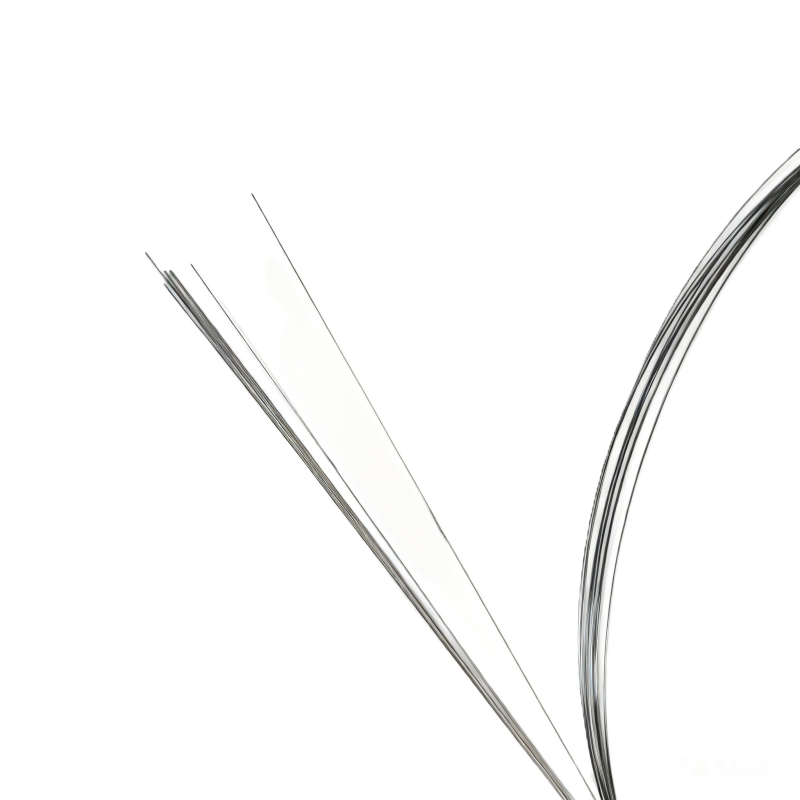
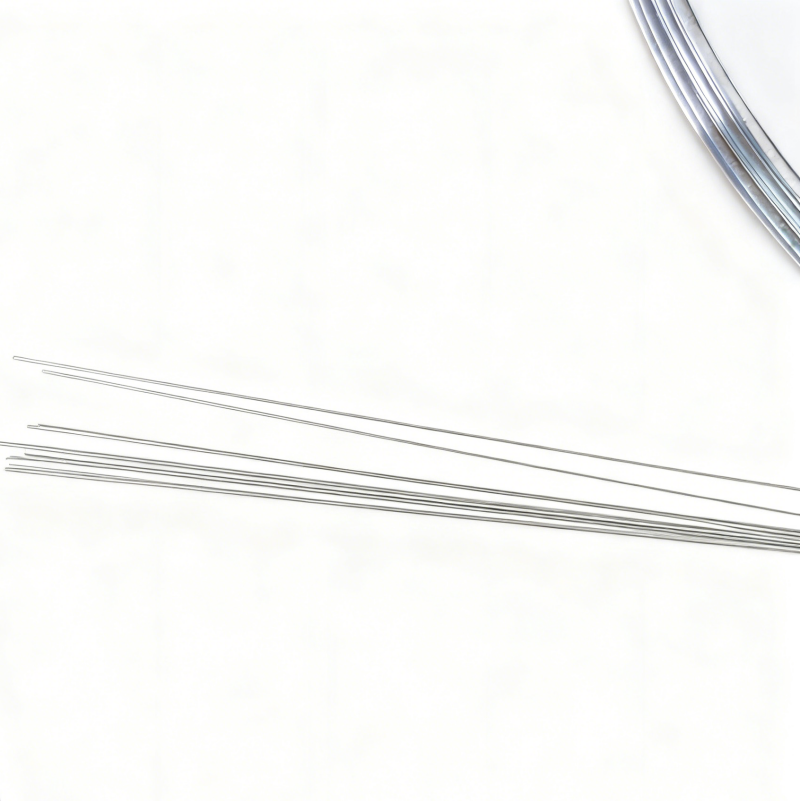
sma wire
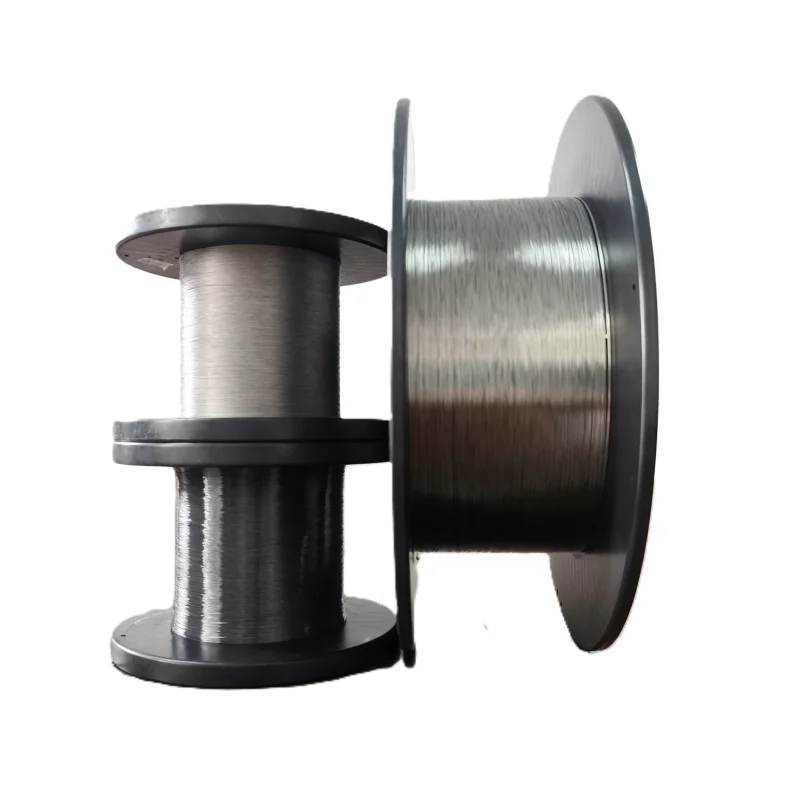
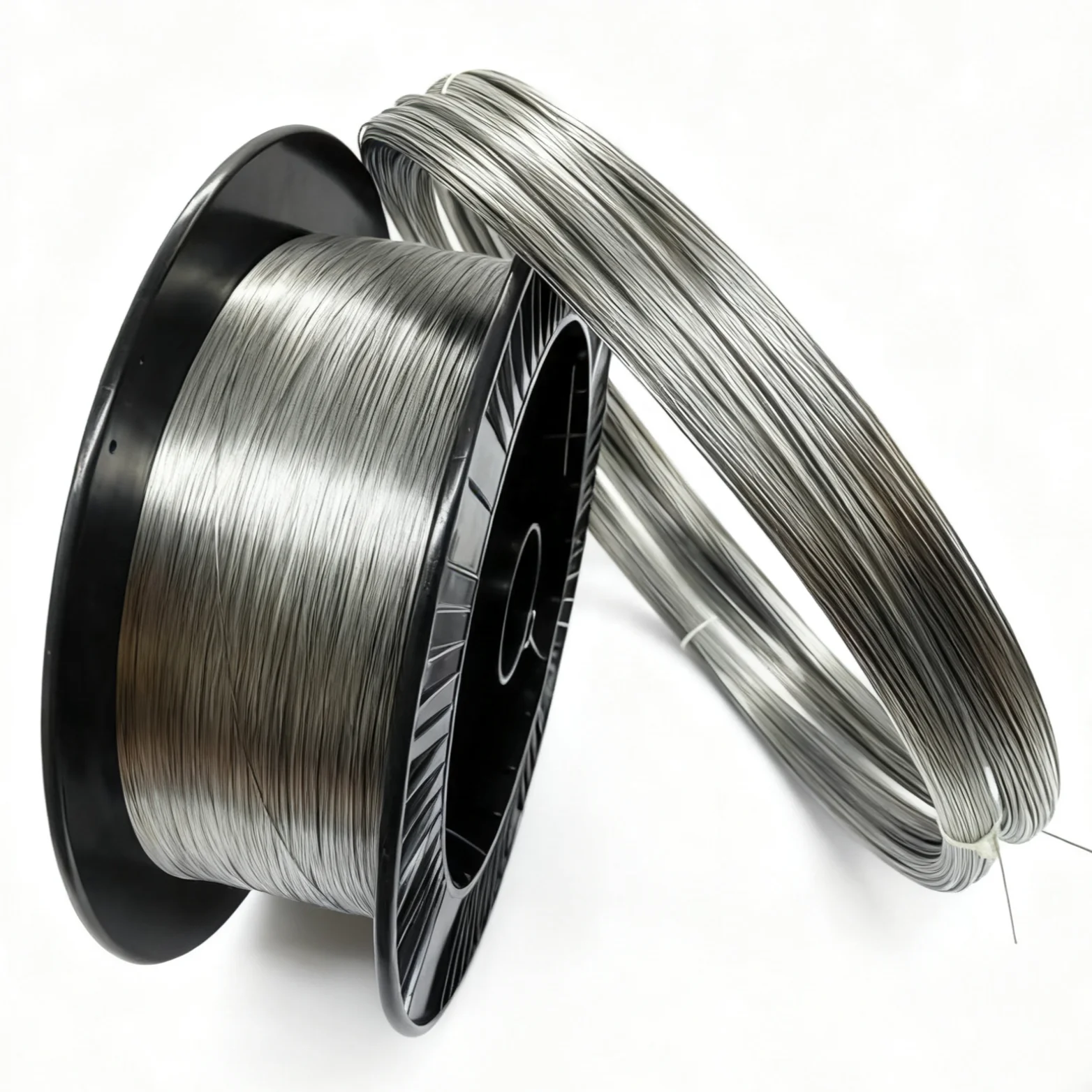
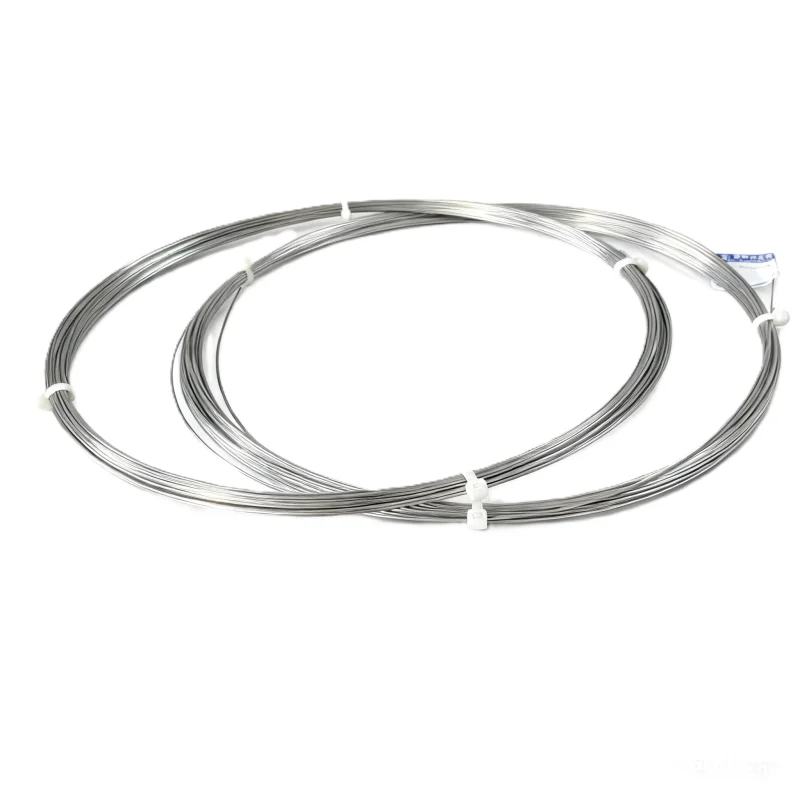
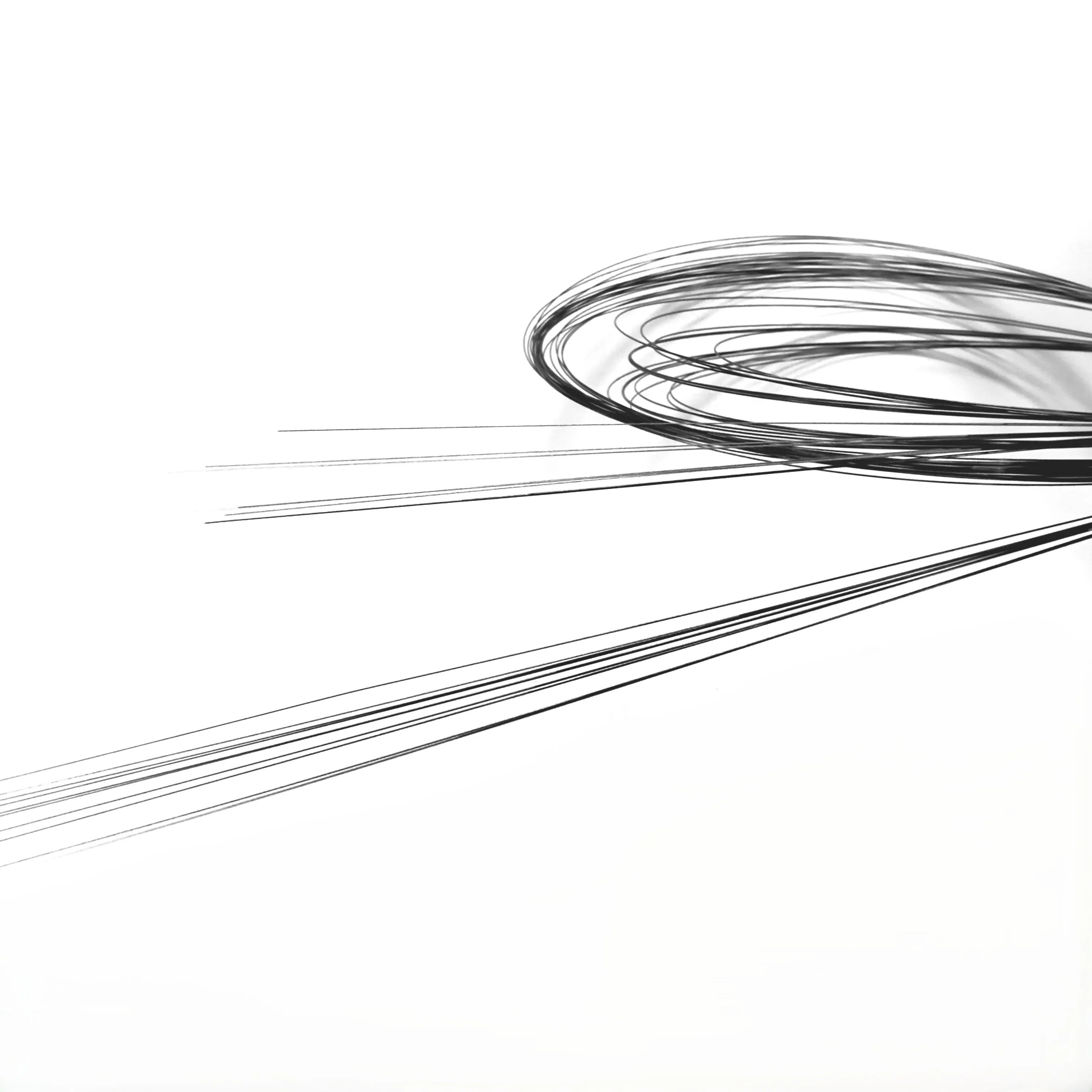
SMA wire, short for Shape Memory Alloy wire, is a remarkable class of smart material that has transformed the way engineers and designers approach motion, actuation, and sensing challenges. At its core, SMA wire is typically composed of a nickel-titanium alloy, commonly known as Nitinol, though copper-based and iron-based variants also exist for specific industrial applications. What makes SMA wire truly extraordinary is its ability to remember a pre-programmed shape and return to that shape when exposed to a specific thermal or electrical stimulus. This behavior is driven by a reversible phase transformation between two solid-state crystal structures: the high-temperature austenite phase and the low-temperature martensite phase. When the wire is deformed in its martensitic state and then heated above its transformation temperature, it contracts and recovers its original form with impressive force and precision. This property is known as the shape memory effect, and it forms the foundation of nearly every SMA wire application in use today. Beyond the shape memory effect, SMA wire also exhibits superelasticity, meaning it can undergo large elastic deformations at constant temperature and spring back to its original shape once the load is removed. This dual functionality makes SMA wire an exceptionally versatile material. In terms of technological features, SMA wire offers a high power-to-weight ratio, silent operation, smooth and continuous motion, and the ability to function as both a sensor and an actuator simultaneously. These characteristics make it ideal for miniaturized systems where space and weight are critical constraints. SMA wire finds broad application across aerospace, medical devices, robotics, automotive systems, consumer electronics, and wearable technology. From minimally invasive surgical tools and orthodontic archwires to robotic grippers and satellite deployment mechanisms, SMA wire continues to push the boundaries of what compact, intelligent materials can achieve in modern engineering.

 EN
EN